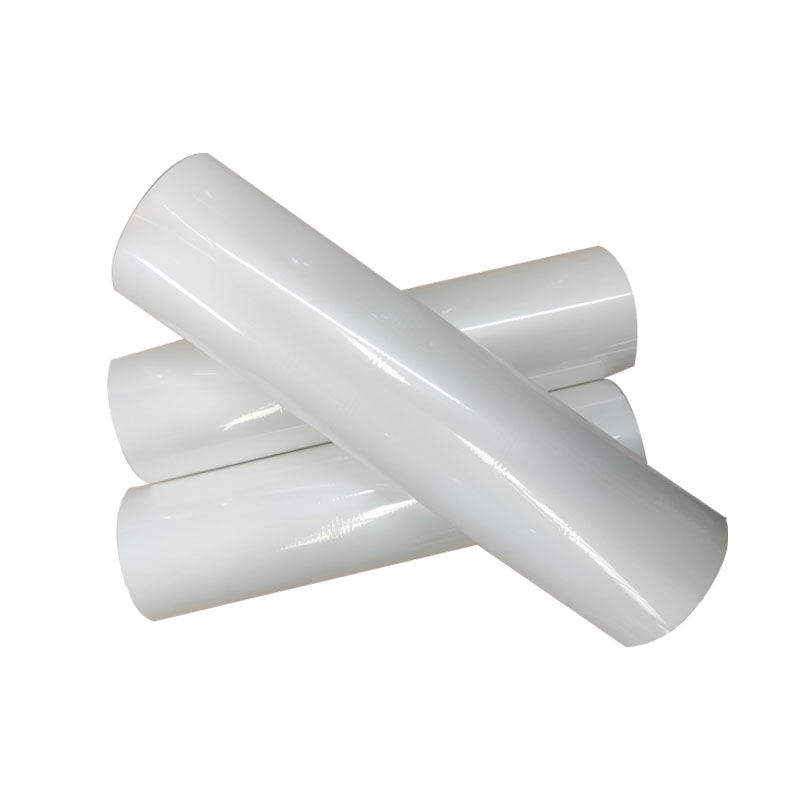
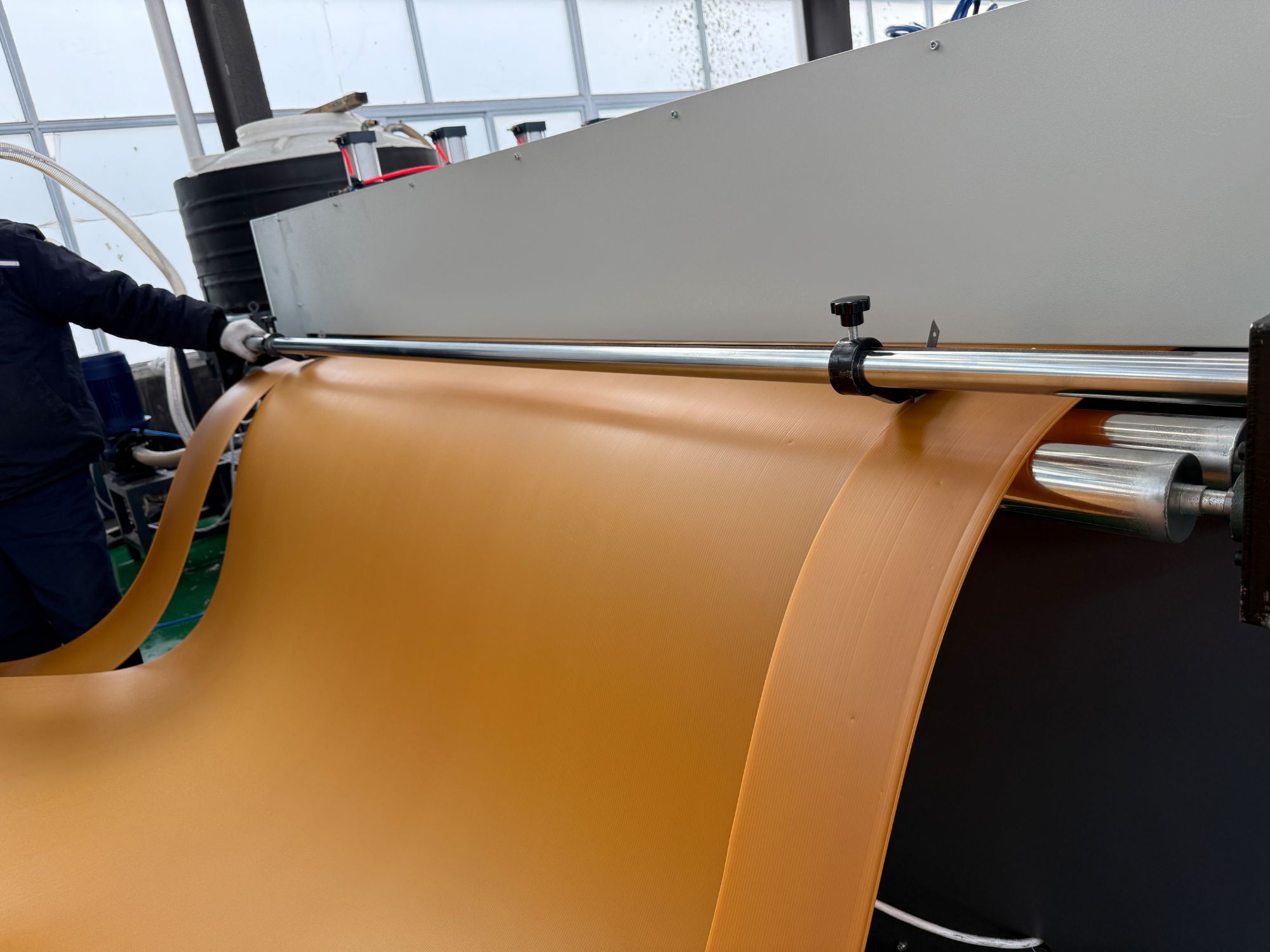
Polypropylene hollow grid boards show up everywhere from packaging workshops to construction sites, valued for being light, strong, moisture-resistant, and reusable. Yet the sheets rarely reveal how much precision goes into making them. Extrusion, die forming, cooling, and cutting have to run in tight coordination or the final product quickly falls out of spec. This article walks through COMRISE's production floor and explains how raw polypropylene becomes finished grid board. It also examines why equipment choices play a larger role than most buyers expect, affecting throughput, consistency, and long-term operating cost. Instead of a generic factory tour, the piece highlights practical details behind high-output systems: where bottlenecks form, how cooling affects flatness, and what separates reliable lines from those that underperform. For anyone sourcing machinery or planning a production upgrade, the insights offer a clearer way to evaluate suppliers and avoid costly assumptions.
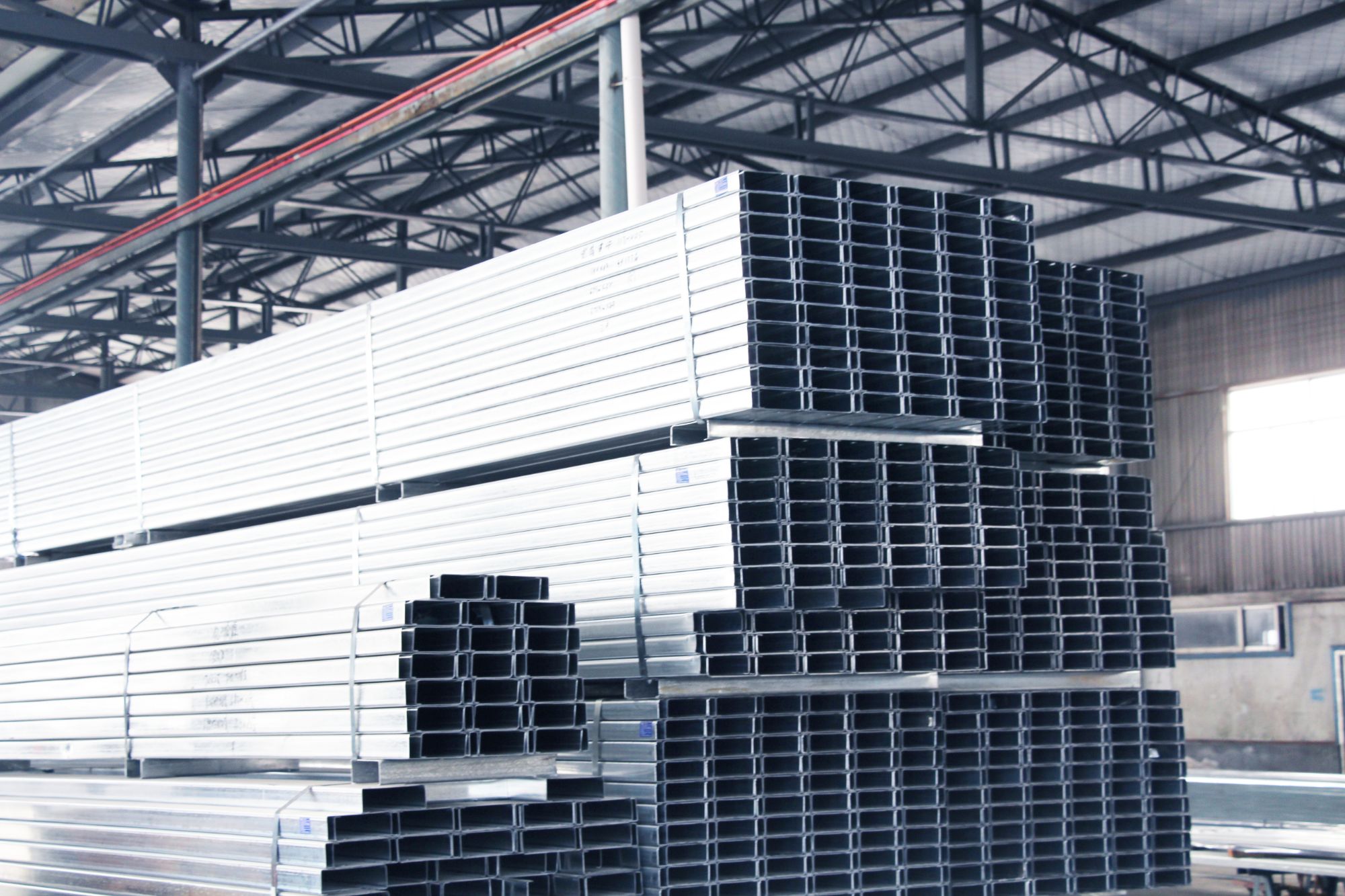
When steel purlins show up with the wrong gauge, questionable coating, or two weeks late, the impact on your frame schedule is immediate. This article cuts through supplier sales talk and focuses on what builders actually need to check before committing to an order. It explains why dimensional accuracy and on-time delivery matter just as much as price per ton, and how hidden rework costs often erase any upfront savings. Drawing from real project scenarios, the guide outlines practical checks for material tolerances, coating quality, and logistics reliability, plus the structural load considerations that separate a dependable supplier from a risky one. You'll also learn what questions to ask before signing off, so your next purlin order supports the build rather than slowing it down. The result is a straightforward, experience-based framework for choosing a steel purlin partner who helps keep your steel frame on track from delivery to installation.
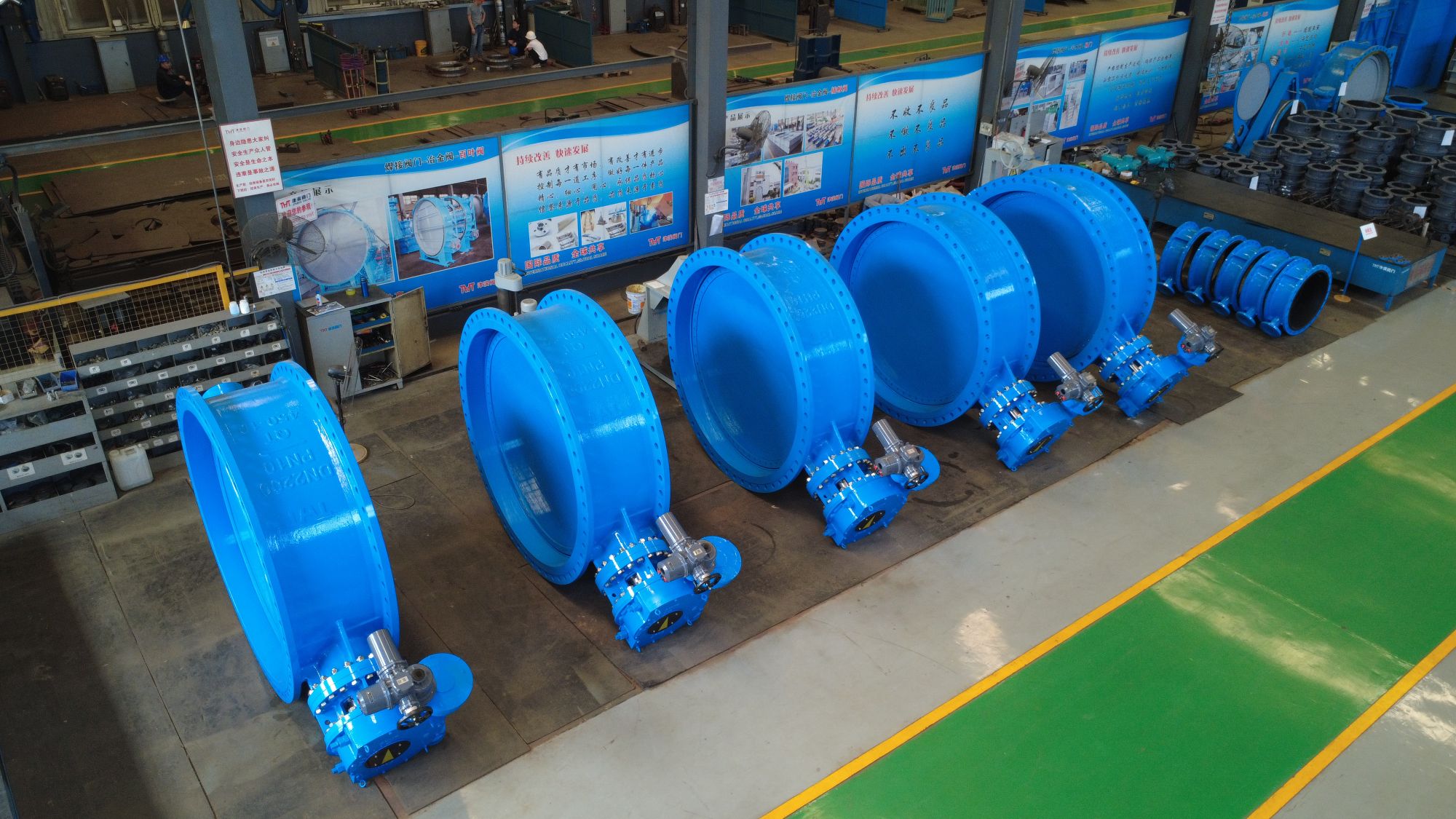
Ever wonder why two identical-looking double eccentric butterfly valves behave completely differently once they are installed? The answer rarely shows up in a datasheet. It sits in the seat profile, the disc offset, the shaft bearing design—and how well those features match your actual media, pressure spikes, and duty cycle. At THT, we see too many systems stuck with the wrong model because someone stopped at 'same size, same flange.' This guide walks through what actually matters when choosing a double eccentric butterfly valve, from sealing geometry to bearing configuration, so your next install works right the first time. Instead of leaning on generic size charts, it points to the variables that shift between models sharing the same face-to-face dimensions, and focuses on the mechanical details that determine how the valve opens, seals, and survives under real operating conditions. No more guessing based on flange size alone.
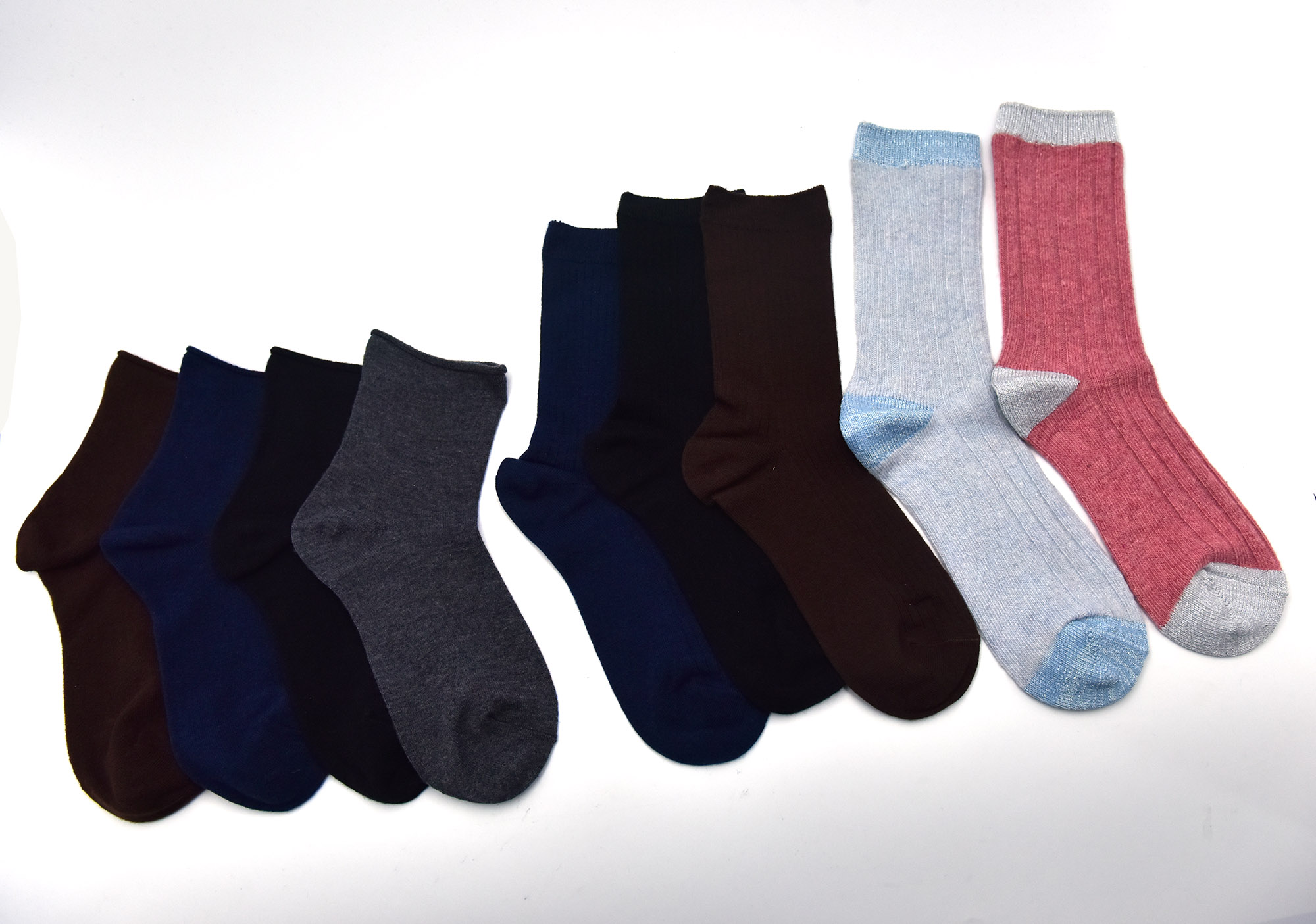
For labels that take wool seriously, finding a manufacturing partner who understands the fiber’s quirks can feel impossible—especially when the goal is something better than a generic sock. KINDWAY approaches private label production differently, treating every pair as a canvas for your brand rather than a blank template. This introduction looks at how they source premium merino, refine details like the heel stitch, and blend old-world knitting techniques with flexible customization. Instead of forcing you into a standard catalog, they shape each run around your label’s promise. From limited drops to full collections, the process stays adaptable enough for brands at any stage. The result is a rare mix of craftsmanship and flexibility that makes outsourcing feel like a genuine collaboration. If you’ve ever wondered whether your socks could truly live up to the name stitched on them, this piece offers a clear starting point for that story.
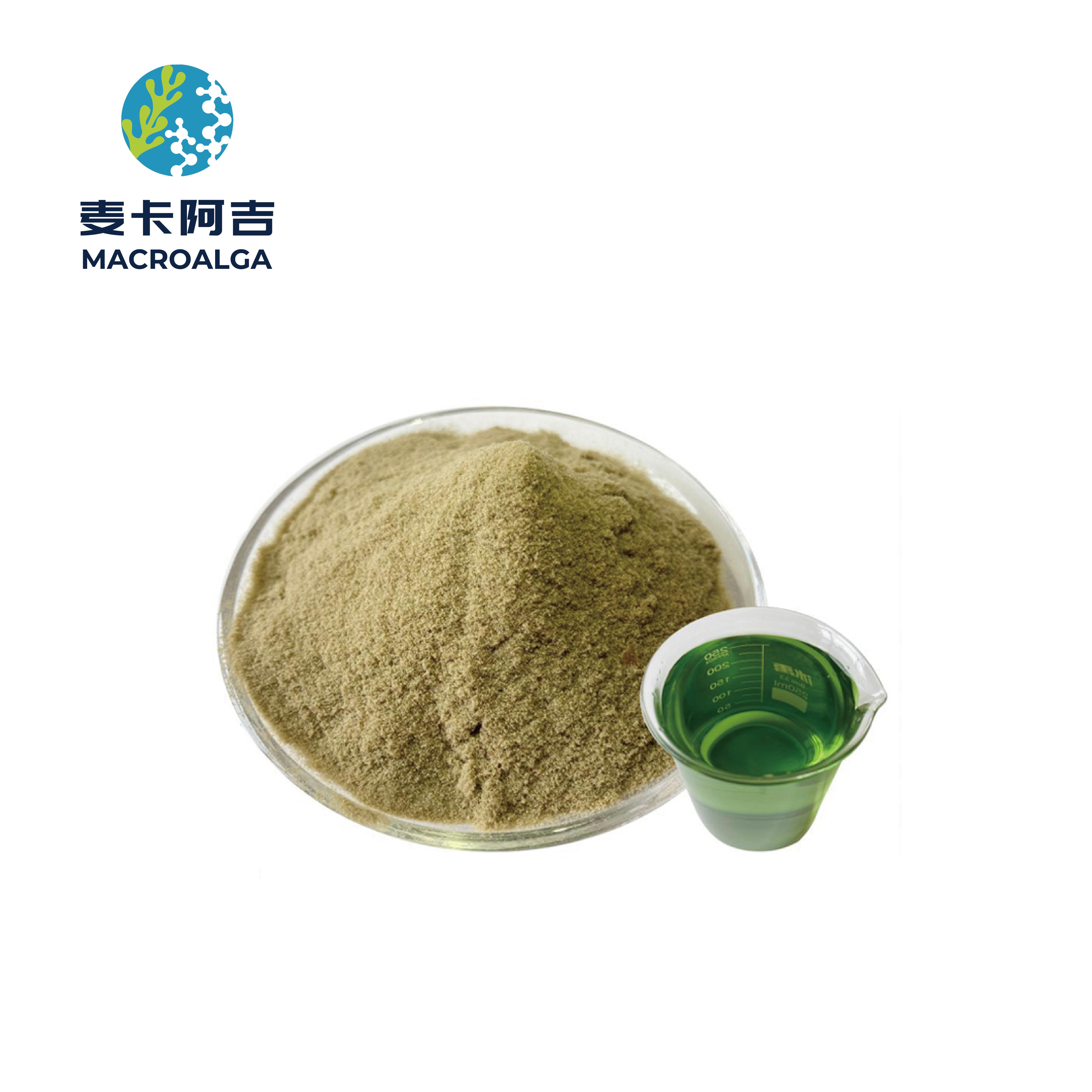
For any gardener who has struggled to find a fertilizer that truly works, this article introduces MacroAlga—a company rapidly gaining recognition for dependable, ocean-derived plant nutrition. Instead of settling for lackluster harvests, you will discover how the right seaweed fertilizer supplier can make a measurable difference in your soil health and crop vitality. The piece explores why backyard hobbyists and commercial growers alike are turning to MacroAlga's natural formulas for everything from tomatoes to large-scale fields. With a focus on practical benefits and honest guidance, it reveals what to look for in a quality seaweed product and why this choice matters more than you might expect. A quick, insightful read for anyone serious about growing stronger, healthier plants.
Doing laundry often means juggling separate products: a stain remover for spills, a brightener for whites, a softener for comfort. LANJIEYA’s three-chamber pods change that equation. Rather than squashing all the chemistry into one flat liquid, each pod isolates its cleaning agents in three distinct compartments. They stay dormant in the drum, then activate at the moments that matter—stain fighters get to work first, brighteners follow, and fabric care wraps everything up. That sequencing isn’t a gimmick. It stops ingredients from canceling each other out and lets each one do its job at full strength. The result is the kind of clean you can feel: towels fluff back up, shirts hold their shape, colors don’t fade as quickly, and everything smells genuinely fresh instead of overly perfumed. For anyone tired of measuring, pouring, and guessing, these pods are a convincing reason to clear off the laundry shelf.
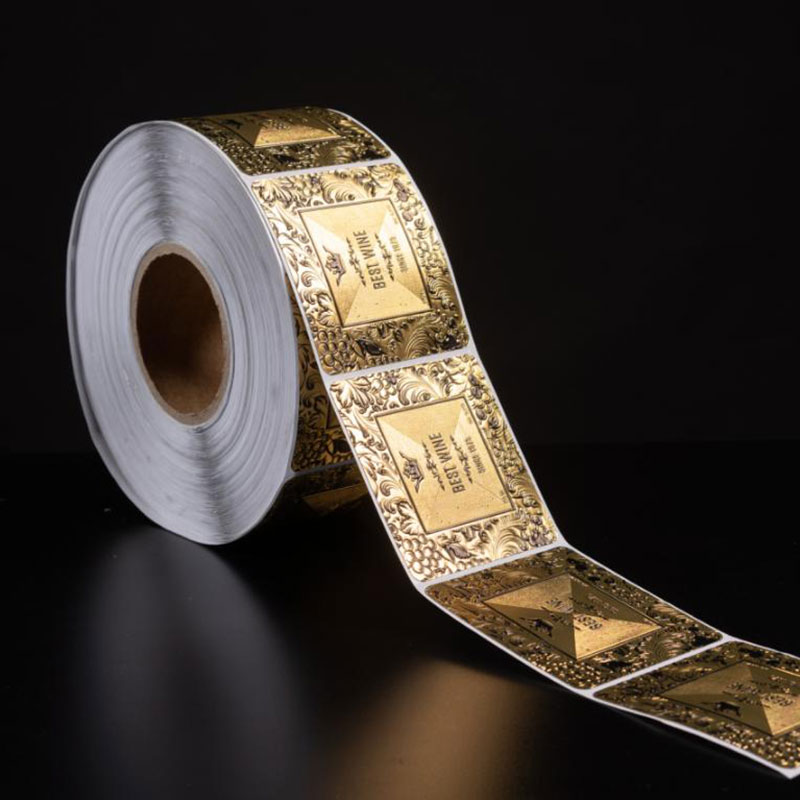
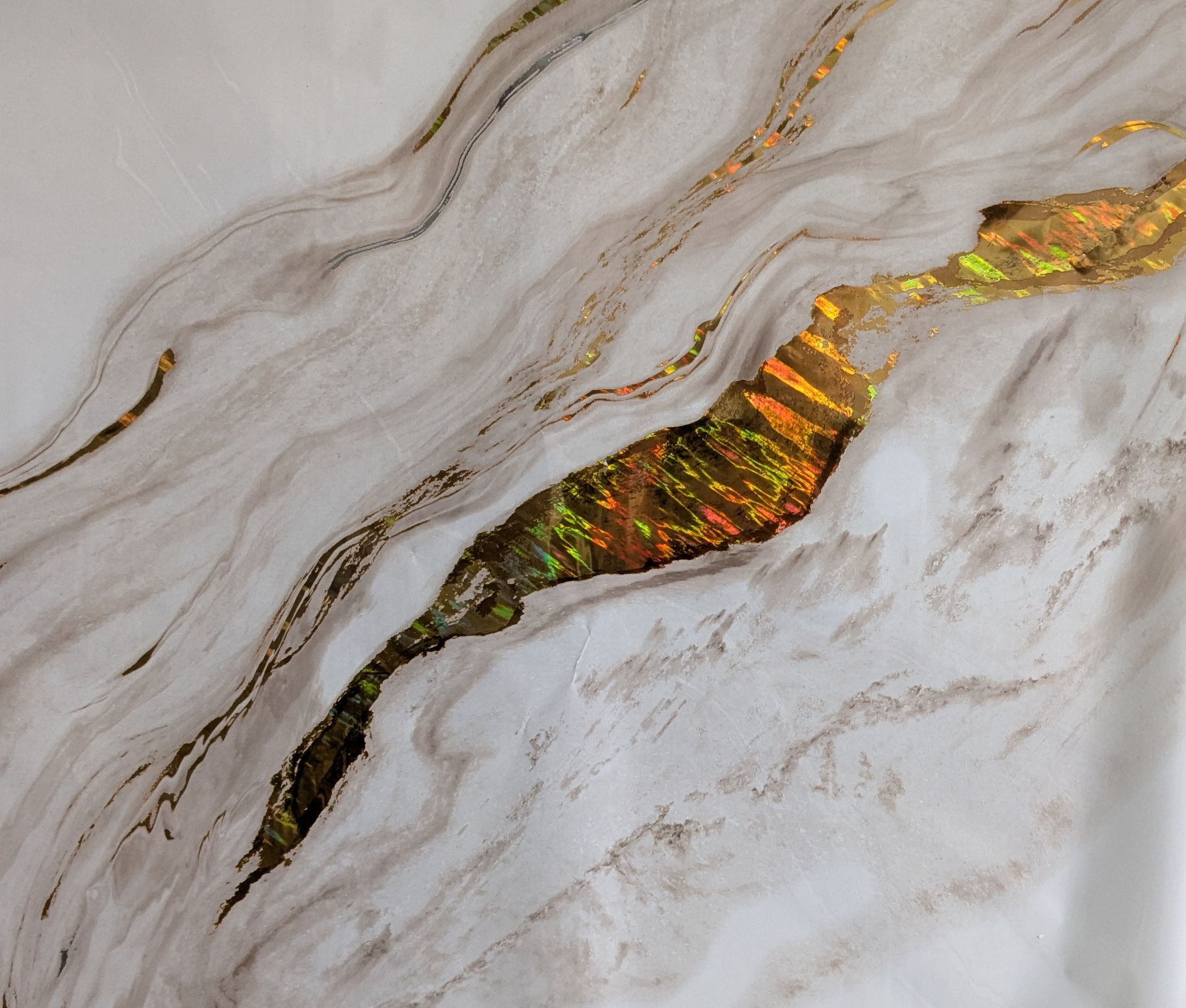
Anyone who works in print knows the struggle. You design something vibrant, but the final piece falls flat because the foil can't hold up. Color has a way of making projects impossible to ignore, but only if the foil behind it delivers depth and durability. This article introduces GUMPTION, a hot stamping manufacturer that pairs a wide spectrum of shades with custom formulations. Their work spans packaging, labels, and marketing materials where a rich, tactile finish makes all the difference. Instead of treating color as a commodity, GUMPTION approaches it as a craft, tailoring each batch to the design's demands. The piece walks through their process and explains why this approach matters for brands that want their print pieces picked up, handled, and remembered. If you've been settling for flat results from a generic supplier, this read shows there's a better way to get color that actually lasts.
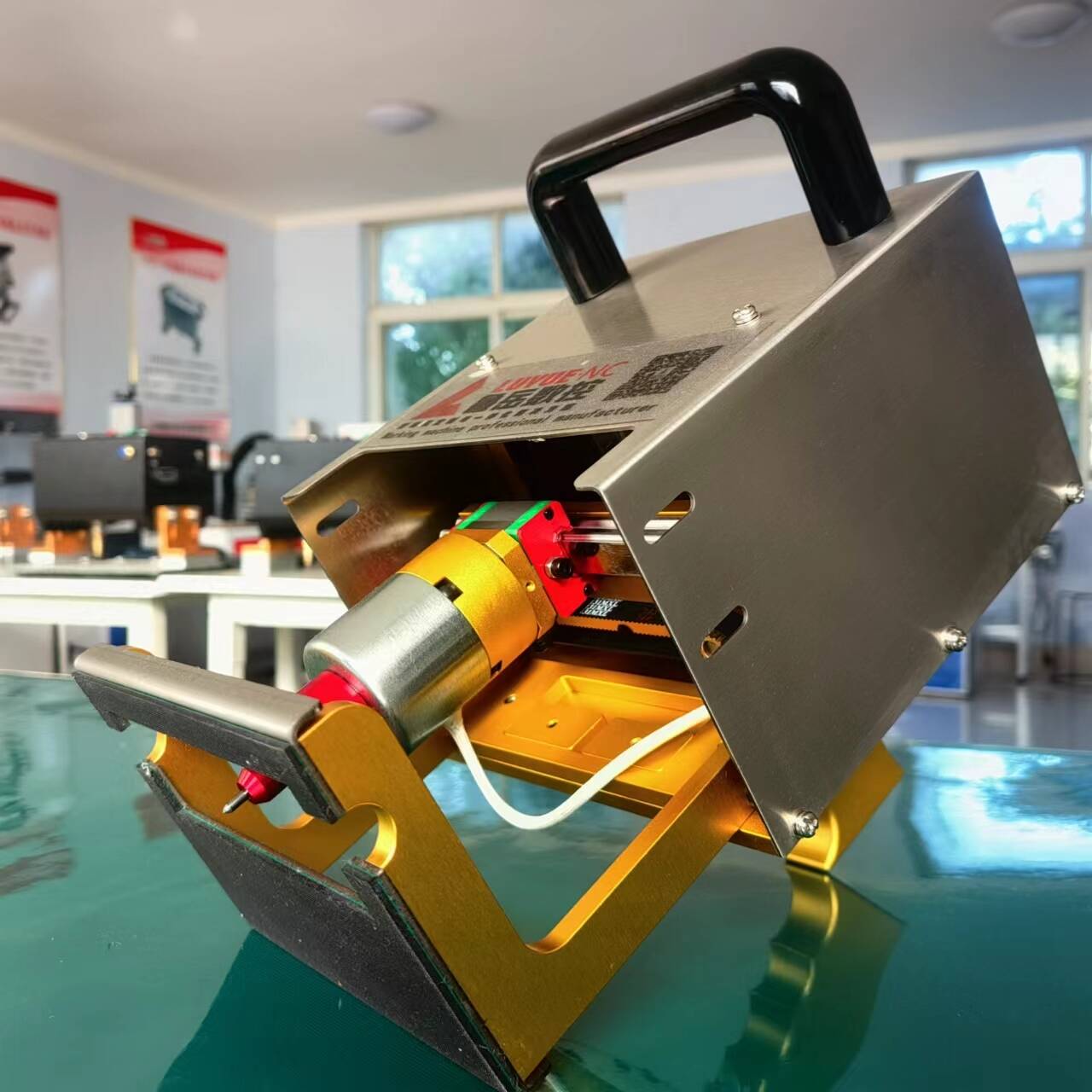
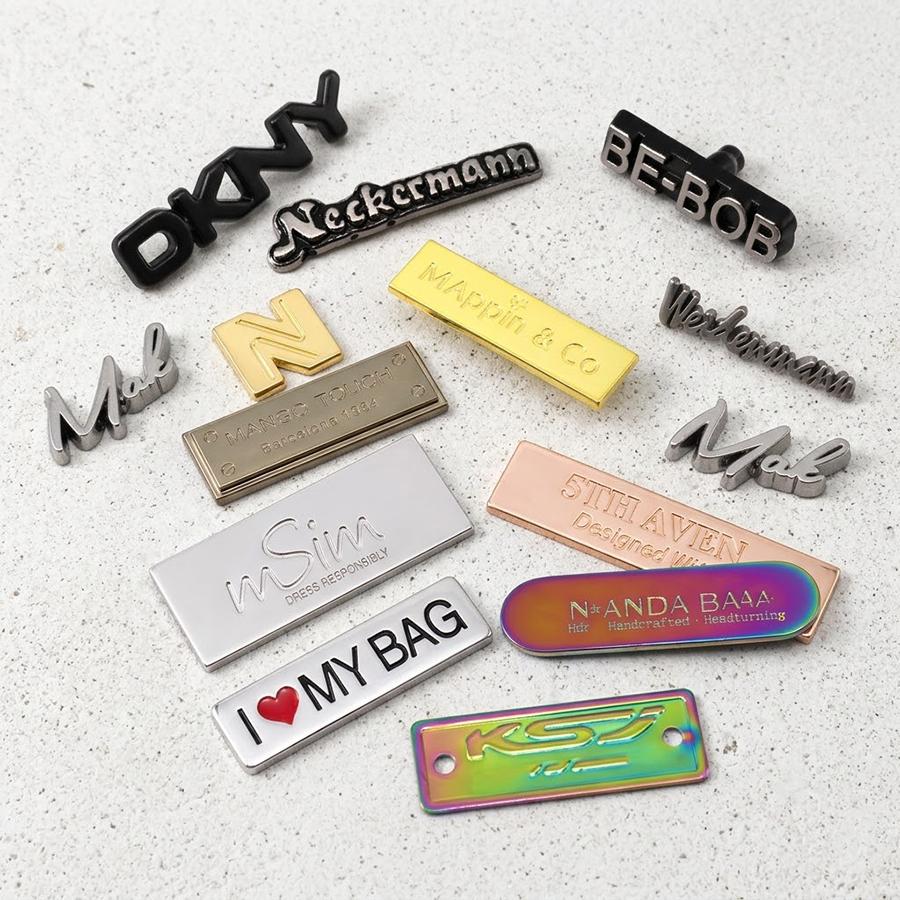
Industrial labels often fail long before the machines they identify, yet few buyers treat labeling as a critical component. This guide addresses that gap with a hands-on look at durable product identification. It separates materials that truly withstand abrasion, chemicals, and outdoor exposure from those that fade or peel within months. Instead of vague promises, the article examines how different marking methods perform under real conditions and flags common shortcuts suppliers use to lower costs. It also highlights what to demand from vendors when long-term readability matters. Kingming is referenced as a supplier focused on the kind of permanent legibility the guide advocates. For anyone sourcing custom metal labels or reevaluating current vendors, this is a practical starting point to avoid repeated replacement and unreadable equipment markings.