

UL FM Grooved Butterfly Valve Wholesale: The Complete Buyer’s Guide
2026-06-12
Sourcing UL/FM approved grooved butterfly valves at wholesale prices doesn't have to be a guessing game. Whether you're stocking up for a major fire protection project or simply comparing suppliers, the right valve can make or break system reliability. This guide cuts through the noise—covering certifications, material choices, and red flags to avoid—so you can buy with confidence. Brought to you by DRIFCO, a name that stands for quality when it matters most.
What Sets UL FM Grooved Butterfly Valves Apart in Fire Protection Systems
UL FM grooved butterfly valves bring a level of reliability that standard valves often struggle to match in high-stakes fire suppression setups. Their listings with Underwriters Laboratories and Factory Mutual mean each component has passed rigorous testing for pressure, durability, and operation under extreme heat—giving engineers confidence that these valves won’t seize or leak when every second counts. The grooved end connections simplify installation dramatically, eliminating the need for flange bolting and allowing faster, more flexible piping layouts in tight mechanical rooms.
What truly distinguishes these valves is the fusion of quick actuation and minimal pressure drop. The disc design ensures negligible obstruction to water flow, preserving the system’s hydraulic performance without sacrificing shut-off capability. In a fire event, the valve’s quarter-turn operation can be integrated with tamper switches and electric actuators, providing immediate remote status monitoring and automated response. This mechanical simplicity also translates into lower maintenance cycles—there are fewer seals to wear out compared to traditional gate valves, and the grooved coupling permits easy disassembly for inspection without cutting into the pipe.
Beyond functionality, compliance is a practical differentiator. Insurance carriers and local authorities often mandate FM Approved or UL Listed devices in fire protection networks, and grooved butterfly valves manufactured under these certifications streamline approval processes. They are engineered for consistent performance across a broad temperature range and can handle the surge pressures common in sprinkler systems. Ultimately, the choice comes down to systems thinking: a valve that installs faster, triggers with less torque, and stays leak-tight under duress doesn’t just meet code—it enhances the whole life safety infrastructure.
Key Specifications Every Wholesale Buyer Must Verify Before Ordering
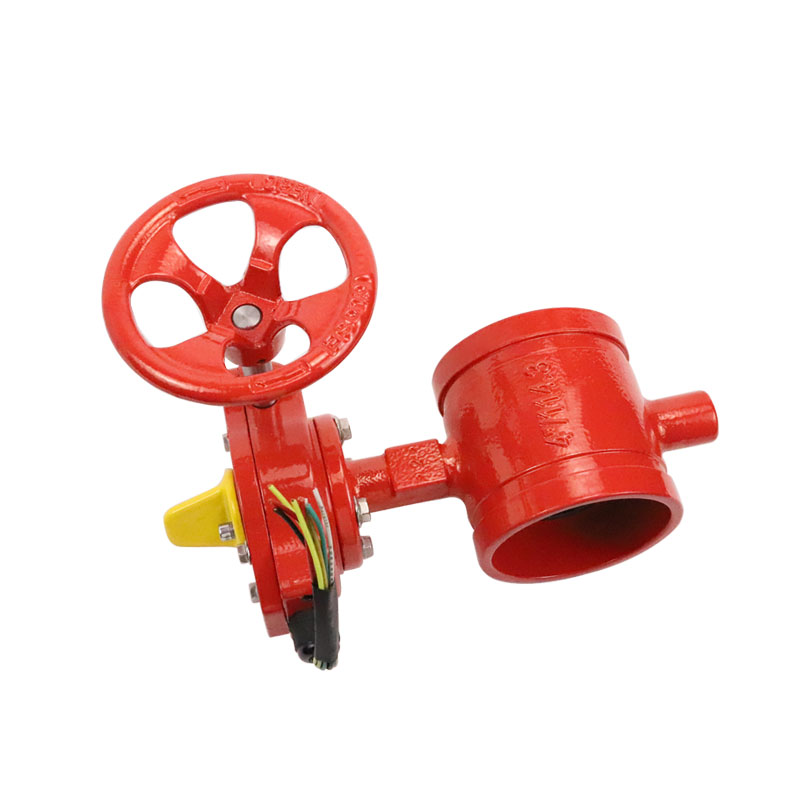
Before you commit to a bulk purchase, double-check the material composition and build quality. Even small variations in raw materials can affect durability, compliance, and customer satisfaction. Request a spec sheet that breaks down every component, and if possible, have a sample tested independently. This extra step might feel tedious, but it’s far cheaper than dealing with a container of returns.
Next, don’t skip dimensional accuracy and tolerance levels. A mismatch of a few millimeters can render parts unusable, especially in industries like electronics or furniture hardware. Insist on clear technical drawings with acceptable deviation ranges, and confirm that the supplier’s quality control process actually enforces these limits. A quick video call during a production run can reveal more than any glossy brochure.
Finally, pay close attention to packaging and labeling details. In many markets, incorrect barcodes, missing warning labels, or flimsy packaging can trigger customs holds or retailer rejections. Go beyond the sales pitch and ask how products will be packed, stacked, and protected during transit—including humidity indicators if needed. A reliable partner will have this information at their fingertips, not scramble to answer.
Navigating Certification: Why UL and FM Approvals Matter More Than You Think
Product certifications like those from UL and FM are often dismissed as just another sticker on a label, yet they carry weight that ripples across safety, legality, and business continuity. These marks aren't casual endorsements—they reflect exhaustive testing and ongoing factory audits that spot-check production long after initial approval. When a component fails in the field, having that certification can mean the difference between a manageable incident and a cascading disaster where liability lands squarely on the specifier who bypassed due diligence.
What sets UL and FM apart from generic CE marks or self-declarations is their forensic approach to hazard scenarios. They simulate the worst: fire-wall breaches, pressure surges, electrical arcs in confined spaces. This isn't about passing a paper checklist; it's about proving a device won't become the ignition source in an already volatile environment. For sectors like offshore drilling or pharmaceutical manufacturing, insurers frequently mandate these approvals as a prerequisite for coverage, effectively making uncertified equipment uninsurable—a silent dealbreaker that many overlook until a claim is denied.
Beyond compliance, these certifications shape how engineers think about risk. Specifying UL-listed or FM-approved gear forces a design conversation around failure modes and redundancy that simply doesn't happen with unmarked alternatives. The audit trail alone—complete with traceable batch tests and serialized reports—can deflect lawsuits and speed up root-cause analysis. In critical infrastructure, that transparency transforms certification from a bureaucratic formality into a strategic safeguard, proving that the real cost of choosing uncertified equipment is often invisible until it's far too late.
Installation Pitfalls: How to Avoid Costly Mistakes with Grooved Connections
One often overlooked step is checking the groove depth before assembly. Even a slight deviation can compromise the coupling’s seal, leading to leaks under pressure. Use a groove depth gauge religiously—don’t rely on visual checks alone. It takes seconds but saves thousands in water damage repairs.
Pipe alignment seems simple, but small misalignments put stress on gaskets and housings. A common mistake is forcing pipes together when they don’t line up naturally. Instead, loosen adjacent supports, realign, and then secure everything. This prevents the grooves from pinching the gasket or creating gaps where corrosion can start.
Lubrication matters more than most realize. Skipping manufacturer-specified lubricant on gaskets accelerates wear and makes future disassembly a nightmare. Apply a thin, even coat to the gasket exterior—never the interior—to ease installation without contaminating the system. Drying out seals are a silent budget drain; proper prep keeps them pliable for years.
Top Supply Chain Tactics to Secure the Best Bulk Valve Deals
Forging lasting partnerships with valve suppliers does more than just fill a purchase order—it often opens doors to pricing structures that one-off buyers never see. When a manufacturer knows you’re committed for the long haul, they’re more inclined to share forecasts early, earmark production capacity, and even tailor delivery schedules to your rhythm. This kind of relationship means you can sidestep panic buying and chip away at costs through collaborative planning rather than squeezing pennies in a transactional tug-of-war.
Getting the timing right hinges on knowing your own usage patterns inside and out. By pulling historical demand data and weaving in upcoming project timelines, you can spot buying windows where mills or distributors are hungry to move inventory. Catching a valve maker just before a seasonal dip, or bundling orders to bridge their production gaps, often lands you a price nobody else walking through the door would get. Smart inventory buffering also means you’re never forced to pay a premium because an urgent job caught you empty-handed.
Pooling requirements across different business units or job sites can quietly multiply your bargaining muscle. Instead of five small orders floating independently, one consolidated request for the whole quarter’s valve needs suddenly makes you a priority account. Suppliers tend to sharpen their pencils when they see a steady, high-volume package, and you can often negotiate added perks—like free storage, extended payment terms, or shipping thrown in. The trick is making sure internal teams align their bill of materials early enough to present a unified front, rather than scrambling at the last minute and diluting the deal.
Future-Proofing Your Inventory: Trends Shaping the Grooved Valve Market
Forward-thinking distributors are rethinking how they stock grooved valves, moving away from rigid, warehouse-heavy approaches. By tapping into real-time usage data and predictive analytics, companies can now adjust inventory levels dynamically, aligning with actual project pipelines rather than outdated forecasts. This shift not only cuts carrying costs but also reduces the risk of obsolescence, especially as material innovations like duplex stainless steels and high-performance polymers enter the market. The goal is a leaner, more responsive inventory that mirrors the speed of modern construction cycles.
Another layer of resilience comes from smart valve technology. Grooved valves embedded with IoT sensors are transforming maintenance from a reactive chore into a data-driven strategy. These components can self-report wear, temperature fluctuations, and flow irregularities, allowing teams to plan interventions before failures cascade. For inventory planners, this means fewer emergency stockpiles and a tighter focus on just-in-time replenishment. The data generated also feeds back into procurement patterns, helping to refine what gets ordered and when, without the guesswork.
FAQ
Think of them as quarter-turn valves with a disc that pivots to control flow, featuring grooved ends that connect to pipes via couplings. The UL and FM marks mean they've passed rigorous testing for safety and performance. You'll find them in fire sprinkler systems, HVAC, and industrial water lines where quick isolation and dependable sealing matter.
Grooved connections speed up installation and allow some pipe movement without leaking—no welding or precise threading needed. They cut down on labor hours, simplify alignment, and make future maintenance a quick job. For large-scale jobs, that time and flexibility really add up.
These aren't just stickers. UL verifies the valve meets strict safety standards, while FM focuses on loss prevention and real-world reliability. In many jurisdictions and insurance policies, specifying non-certified valves can void coverage or fail inspections. So, it's a compliance must-have that also gives you peace of mind.
Don't just chase the lowest price. Check the disc material (like ductile iron with EPDM or NBR lining), the stem design (one-piece vs. two-piece), and whether the seat is replaceable. Also, insist on full traceability and test reports. A solid warranty and responsive after-sales support matter more than a small discount.
First, prep the pipe ends and ensure they're clean. Slide the coupling’s gasket over the pipe and valve end, then bring the components together. Align the grooved edges, slide the coupling over the joint, and tighten the bolts evenly to the recommended torque. Always leave room for the disc to rotate fully, and cycle the valve a few times before pressurizing to avoid seizing.
Look beyond flashy catalogs. Ask for third-party audit reports, sample batches for your own testing, and references from similar-scale projects. A reputable supplier won't hesitate to share certifications, production timelines, and how they handle defects. Also, pay attention to how they communicate—clear, prompt answers often signal a partner who will back their product.
Regular cycling prevents buildup on the seat. If the valve sits unused for long periods, move it a few times quarterly. Keep the stem and linkage lubricated with a compatible grease, and during inspections, check the grooved coupling bolts for proper torque. If you notice any weeping, address it immediately to avoid pitting or seat damage.
Conclusion
When sourcing UL FM grooved butterfly valves for fire protection systems, the difference between a reliable installation and a costly failure often comes down to understanding what truly sets these components apart. Unlike standard valves, those bearing UL and FM certifications have endured rigorous testing to ensure they perform under extreme heat, pressure, and debris conditions. The grooved connection itself offers a distinct advantage—fast, alignment-friendly assembly that minimizes on-site welding and reduces installation errors. Yet, many buyers overlook the necessity of verifying dimensional details like face-to-face length, disc material compatibility, and pressure-temperature ratings before placing a bulk order. A mismatch here can lead to system inefficiencies or non-compliance, erasing any upfront savings.
Certifications are more than stamps on a datasheet; they represent an ongoing commitment to safety that directly influences insurance premiums and regulatory approval. Overlooking or misunderstanding the scope of UL 1091 or FM 1112 can leave even a technically sound valve outside the bounds of local codes. Meanwhile, installation pitfalls frequently stem from poor groove preparation, incorrect gasket selection, or failure to follow manufacturer torque sequences—mistakes that undermine the joint’s integrity. Shrewd wholesalers don’t just chase the lowest unit price; they build relationships with manufacturers offering consistent lead times, after-sales support, and flexible logistics. Looking ahead, inventory strategies are being reshaped by smart valve monitoring and stricter environmental standards, making adaptability as important as price. Focusing on these interconnected factors—from spec verification to supply chain resilience—turns a routine purchase into a long-term asset for any fire protection portfolio.
Contact Us
Contact Person: George
Email: [email protected]
Tel/WhatsApp: 13863633883
Website: https://www.es-fire.com