

Top Water Flow Detectors for Smart Home Leak Prevention
2026-07-24
Water leaks can silently wreak havoc on your home, but the right water flow detector can be your first line of defense. In this roundup, we explore top smart sensors that catch issues early, from tiny drips to burst pipes. Among the standouts, DRIFCO offers precision monitoring that blends seamlessly into modern smart homes. Discover which devices deliver real-time alerts, easy installation, and peace of mind—so you can stop leaks before they start.
Early Leak Detection That Saves More Than Just Water
Spotting a leak early isn't just about fixing a drip. It's about catching small issues before they turn into basement floods, ruined drywall, and mold that creeps behind cabinets where you'd never think to look. A tiny pinhole in a supply line can release gallons over weeks, silently warping floorboards and feeding fungal growth that compromises the air you breathe. Modern detection tools can pick up on subtle moisture signatures or pressure drops that would otherwise go unnoticed until the damage is unmistakable—and expensive.
Beyond the visible damage, there's an invisible cost that hits harder than many realize. Water that slowly soaks into subflooring or wicks up through concrete can undermine structural integrity over time, turning a simple repair into a major renovation. Insurance claims for water damage have become one of the most common—and increasingly costly—homeowner filings, often leading to rate hikes or policy non-renewals. By catching a leak before it cascades into a catastrophe, you're not just saving water on your monthly bill; you're preserving the long-term insurability and market value of your property.
There's also the quiet peace of mind that comes from knowing your home isn't silently deteriorating while you sleep or travel. Families with aging plumbing systems, or those who have experienced even minor flooding before, understand the low-grade anxiety that lingers in the background. Early detection systems—whether a simple sensor puck under the sink or a whole-home smart monitor that learns your usage patterns—act as a vigilant guardian. They offer more than alerts; they offer the freedom to leave for vacation without that nagging worry, and the confidence that a small problem won't blossom into a life-disrupting disaster.
How Smart Detectors Learn Your Home’s Water Habits
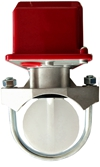
At first, a smart water detector is like a blank slate. It monitors the flow and pressure in your pipes, quietly observing the daily rhythms of your household. It notes when the morning shower starts, how long the dishwasher runs, and the brief spikes from flushing toilets. For the first week or two, it’s just listening—no alarms, no interruptions—building a baseline of what’s typical for your home.
Once it has a solid grasp of your normal patterns, the device’s machine learning kicks in. It can distinguish between a running tap left on by mistake and the scheduled irrigation system in the garden. It learns that a slow, continuous flow at 2 a.m. is suspicious, while a quick burst at 7 a.m. is just the coffee maker filling. Over time, its predictions become eerily accurate, flagging anomalies like a pinhole leak long before you’d ever notice a water stain.
The real magic isn’t just detection—it’s adaptation. If your routine changes, say a new baby means more nighttime bottle washing, the system adjusts. It doesn’t treat every deviation as a crisis. Instead, it recalibrates its expectations, blending fixed thresholds with behavioral learning. This way, you’re not bombarded with false alarms, and it only alerts you when something truly unusual is happening behind the walls.
Instant Alerts That Stop Damage Before It Starts
Systems designed to wait for human eyes to catch a problem are outdated before they're even turned on. The real advantage now sits with proactive monitoring that detects tiny shifts in pressure, temperature, or vibration within milliseconds. These aren't weekly reports or dashboard refreshes—they're direct pings that trigger a response while the machine is still operating within safe margins. It turns maintenance from a calendar-based chore into a precise, data-driven defense.
When a seal begins to degrade or a bearing runs slightly hotter than it did an hour ago, the right tool doesn’t just log it—it acts. Custom thresholds, tuned to specific equipment personalities, cut out the noise without burying teams in false positives. This kind of behavioral learning means every asset is understood on its own terms. The moment a reading drifts outside its unique baseline, the system fires off an alert that actually matters, giving teams time to intervene before a tiny irregularity becomes a full-blown failure.
The beauty of this approach isn't just in the technology, but in how it reshapes daily work. Instead of reacting to breakdowns, teams start having conversations about performance trends and efficiency gains. The panic calls fade, replaced by planned, 15-minute part swaps during natural lulls in production. It’s a shift from firefighting to fine-tuning—and it all starts with an alert that arrives early enough to make a real difference.
Installation That Requires Zero Plumbing Know-How
Say goodbye to wrenches, sealants, and confusing instruction manuals. This system clicks together with a simple push-fit mechanism that anyone can handle—no prior experience needed. Just align the connections, press firmly, and you'll hear a satisfying click that lets you know it's done right.
Everything you need comes in the box, including color-coded adapters that make matching parts foolproof. The whole setup takes about the same time as making a cup of coffee, and cleanup is nonexistent because there are no messy glues or leaking joints to worry about.
What’s really refreshing is how forgiving the design is. If something isn’t aligned perfectly the first time, you can disconnect and try again without damaging the fittings—a lifesaver for those tight spaces under sinks or behind toilets. It’s the kind of straightforward thinking that makes you wonder why every home project isn’t this stress-free.
Hidden Leaks You’ll Never Miss Again
Spotting a leak isn't always about staring at a dripping faucet. The sly ones live behind walls, under floorboards, or in pipework you forgot existed. They thrive on being invisible, quietly adding dollars to your water bill while nobody suspects a thing.
What makes these hidden leaks so frustrating is their ability to mimic everyday wear. A slight drop in pressure, a spot of discoloration on the ceiling — clues that are so small they rarely trigger alarm. But once you know what to look for, they stop being elusive and start being manageable.
The real game-changer is paying attention when nothing seems wrong. Monitoring your meter during a quiet hour, feeling for cool patches on drywall, or simply listening when the house is still can reveal more than any gadget. Once you tune in, these leaks become impossible to miss.
From Drips to Bursts: Coverage for Every Scenario
Water damage doesn't play favorites—it can start as a barely noticeable stain on the ceiling and turn into a flooded basement overnight. That's why a one-size-fits-all policy rarely does the job. Whether it's a slow, hidden pipe drip that quietly rots the subfloor or a dramatic burst during a winter freeze, the right protection anticipates the full spectrum of watery mishaps. True peace of mind comes from knowing you won't be left wringing your hands while water wrings out your wallet.
Think beyond the obvious. A sudden dishwasher hose failure might gush into your kitchen, but what about the lingering moisture behind walls that invites mold weeks later? Coverage that works for every scenario doesn't just handle the initial crisis—it also addresses the sneaky aftermath, like structural drying and microbial remediation. It's about safeguarding both the home you see and the hidden layers that keep it standing.
And then there's the outside world. A torrential downpour can overwhelm storm drains and send muddy water rushing toward your foundation. Gradual seepage often falls outside standard plans, but tailored protection can bridge that gap. From the dramatic to the drip-by-drip, the right approach treats each threat with equal seriousness, ensuring that no matter how the water finds its way in, your footing stays dry and your mind stays at ease.
FAQ
Water flow detectors monitor the rate of water moving through pipes and can identify unusual patterns, such as continuous flow when no appliances are running, which often signals a leak. Once detected, they can send alerts to your phone or automatically shut off the water supply, minimizing damage.
Key features include real-time leak alerts, automatic shut-off integration, easy DIY installation, compatibility with smart home systems like Alexa or Google Home, and detailed water usage tracking. Durability, battery backup, and a clear mobile app are also important.
Yes, many modern water flow detectors are designed for simple DIY installation. Models that clamp onto existing pipes without cutting are particularly user-friendly. However, if you choose a system that requires inline installation, you might need some plumbing skills or professional help.
For larger homes, look for whole-house systems with high flow rate sensitivity and the ability to monitor multiple zones. Brands like Flo by Moen or Phyn Plus offer robust solutions that can cover extensive plumbing networks and distinguish between normal usage and potential leaks.
Absolutely. Many advanced water flow detectors provide detailed insights into water usage, breaking down consumption by appliance or time of day. This helps you identify inefficiencies, set conservation goals, and even catch running toilets or dripping faucets before they become costly.
Most smart detectors rely on Wi-Fi for alerts, but many have battery backups or cellular options to keep monitoring during power outages. Some also store data locally and sync when connectivity is restored, ensuring you don't miss critical leak notifications.
Yes, top models integrate with platforms like Amazon Alexa, Google Assistant, or IFTTT, allowing you to create automations such as turning off the water when a leak is detected or activating smart alarms. They often work alongside smart water shut-off valves for full protection.
A water flow detector monitors the entire plumbing system for irregularities by measuring flow rates, whereas a leak sensor typically detects the presence of water at a specific point. Flow detectors can catch hidden leaks inside walls or underground that point sensors might miss until water reaches them.
Conclusion
Smart water flow detectors have transformed home leak prevention by spotting issues long before they spiral into costly disasters. These devices don’t just track water usage—they learn your household’s unique consumption patterns, distinguishing between a running dishwasher and a slow, hidden drip behind the wall. That early insight saves more than water; it preserves drywall, flooring, and the structural integrity of your home. When an anomaly appears, instant alerts hit your phone, often fast enough to shut off the main valve remotely before a minor seep turns into a basement flood. It’s peace of mind that operates silently in the background, yet stands guard 24/7.
The beauty of modern detectors is that they demand no plumbing skills—simply strap them onto the pipe, connect to Wi‑Fi, and you’re protected. Once active, they catch everything from barely‑perceptible drips that inflate bills month after month to catastrophic pipe bursts that can happen while you’re away. Even areas you rarely check, like crawl spaces or behind appliances, become monitored zones. With coverage spanning every scenario, these detectors deliver a complete defense that traditional alarms miss, turning a reactive chore into proactive, effortless control.
Contact Us
Contact Person: George
Email: [email protected]
Tel/WhatsApp: 13863633883
Website: https://www.es-fire.com