

Top Soy Wax Supplier: How to Choose Quality and Consistency for Your Creations
2026-05-07
Discovering a reliable soy wax supplier can feel like searching for a needle in a haystack. Whether you craft candles, melts, or custom blends, the quality and consistency of your base directly shape the final result. But with so many options flooding the market, how do you spot the one that truly delivers? The answer often lies beyond glossy packaging and bold claims. It's in the raw purity, the burn performance, and the supplier who stands behind every batch. That's where XUSHI comes into view—a name that quietly earns trust through unwavering standards. Think about your last batch: was it flawless, or did you battle uneven textures and weak scent throw? This guide peels back the curtain on what separates exceptional soy wax from the rest, so your creations never miss the mark.
Spotting Premium Soy Wax Before You Buy
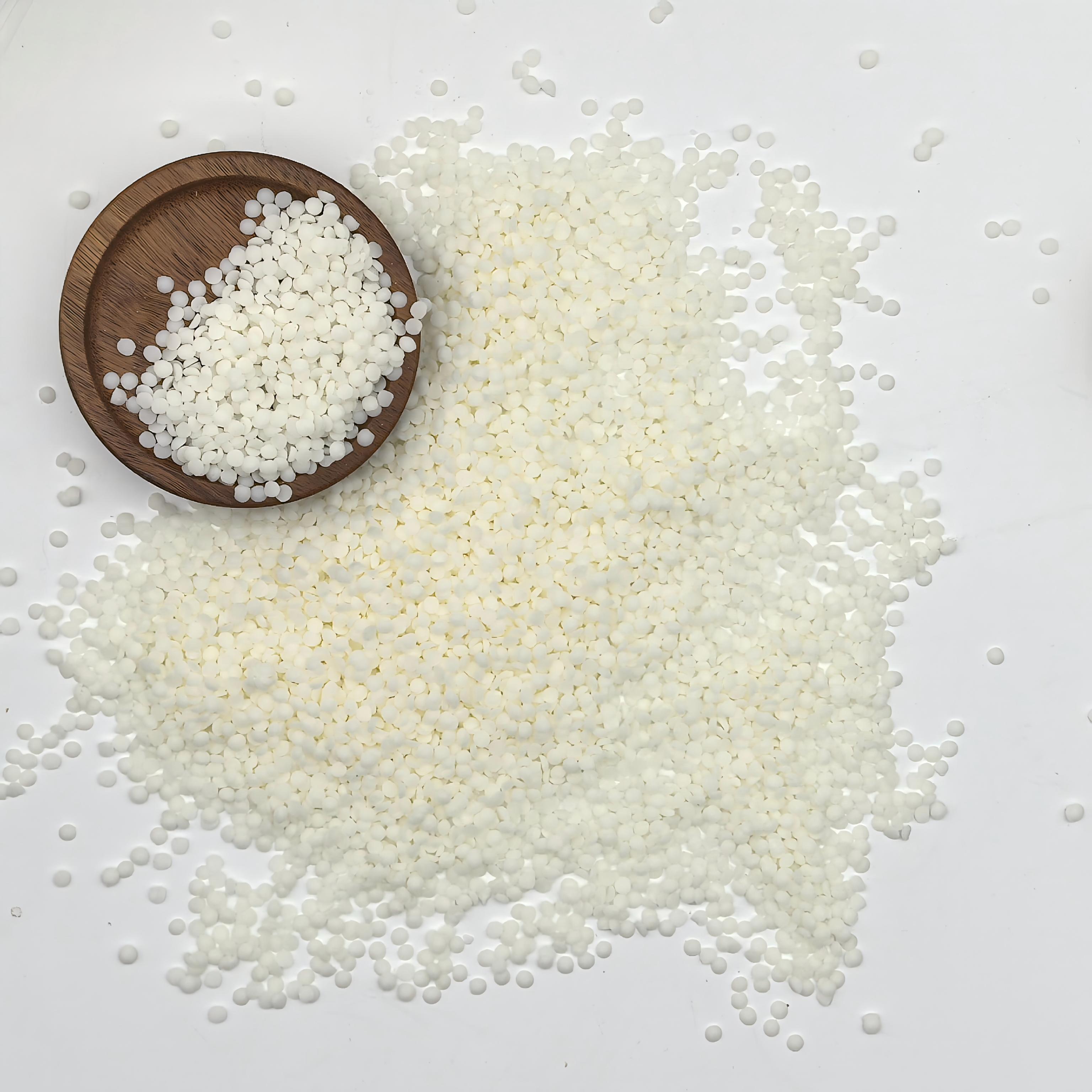
When you're eyeing a batch of soy wax, there are telltale signs of quality that go beyond just the label. Look for a creamy, smooth texture—premium soy wax often has a silky consistency without any graininess. If you can touch it, it should feel slightly oily but not greasy, a sign of natural soybean oil retention. Off-white or pale yellow hues are typical, and any overly bright white might indicate chemical bleaching, which can affect scent throw.
The scent is another giveaway. Pure soy wax has a subtle, neutral aroma, almost like faintly sweet vegetable oil. If you catch a strong chemical or artificial smell, it's probably blended with paraffin or low-grade additives. Premium wax burns quietly and evenly, and the way it pools when lit—creating a full melt pool without tunneling—hints at proper hydrogenation. Ask for a sample burn or check reviews for consistent performance.
Finally, don't underestimate the packaging details. Trustworthy suppliers disclose whether the wax is 100% soy or a blend, and they often mention the absence of pesticides and GMOs. Certifications like kosher or vegan can also indicate a higher standard of processing. If possible, run a small test at home: premium wax should adhere well to containers and release fragrance almost effortlessly when paired with quality oils.
Why Batch Consistency Matters More Than You Think
When processes vary from one batch to the next, the smallest deviations compound into significant problems over time. A production line might see subtle shifts in color, texture, or performance, and while each seems negligible on its own, they eat away at customer trust and brand integrity. Consistency isn't just about avoiding defects; it's the silent promise that every unit performs exactly as intended, no matter when or where it was made.
Beyond the obvious quality control benefits, batch consistency shapes operational and financial health in ways that often go unnoticed. Inconsistent batches trigger a cascade of rework, scrap, and adjustment downtime that quietly drains margins. Supply chain partners and regulatory bodies also depend on predictable outputs—lacking it, you risk stalled shipments, audit failures, or even costly recalls. The true cost isn't just a bad run; it's the erosion of operational rhythm that keeps a business competitive.
Perhaps most critically, consistent batch outcomes are a direct reflection of an organization's process maturity. When batches drift, it signals gaps in raw material sourcing, equipment calibration, or operator training—issues that tend to worsen under pressure. Investing in rigorous consistency isn't a luxury; it's the foundation that allows companies to scale confidently, innovate without introducing unpredictable variables, and build a reputation that resonates far beyond a single product line.
Decoding Supplier Transparency and Testing Standards
When a brand claims its supply chain is transparent, what does that really mean? It's more than a factory name on a website. True transparency involves openly sharing the entire production journey, from raw material origins to final assembly, along with any third-party audits or certifications that verify working conditions and environmental practices. Without this depth of information, it's impossible to judge whether a company is genuinely committed to ethical manufacturing or just polishing its image.
Testing standards are the unsung backbone of product safety and quality. Yet, many consumers overlook the difference between a basic compliance test and a rigorous, ongoing screening program. Some companies rely on minimal, one-time checks that only catch obvious failures, while others integrate random sampling, material traceability, and contaminant screening throughout production. The latter approach demands more investment but significantly reduces the risk of harmful substances or design flaws slipping through.
Decoding these practices requires looking past marketing language and asking specific questions: How often are factories audited, and by whom? Are test results publicly accessible, or merely summarized? Does the company monitor beyond its own facilities, including sub-suppliers? The answers often reveal whether transparency is a genuine operational principle or just another buzzword on an "About Us" page.
The Scent Throw Factor: Picking Wax for Strong Fragrance
When it comes to filling a room with fragrance, the wax you choose is the real engine behind the scent throw. Not all waxes hold and release fragrance equally, so if you’re after a candle that announces itself the moment you light it—or even before—you need to understand how different wax types perform. A strong cold throw can draw someone in from across the room, but it’s the hot throw that creates the lasting aromatic experience when the wax is melted. Paraffin wax has a reputation for powerful scent throw because it’s petroleum-derived and has a crystalline structure that releases fragrance efficiently when heated. But natural waxes can pack a punch too—soy and coconut waxes, for instance, are denser and may require a slightly higher fragrance load or a longer cure time to really shine.
The key is matching the wax to the type of fragrance oil and the desired intensity. Some waxes bond better with certain scent families, and testing is essential because even top-tier fragrance oils can fall flat in the wrong base. Beyond the wax type, paying attention to melt point and additives makes a difference. A wax that melts too quickly might burn off the fragrance before it disperses, while one that melts too slowly might never fully release the scent. Many chandlers swear by custom blends—mixing soy with paraffin or adding a touch of beeswax—to balance clean burning with amplification. Ultimately, picking for strong fragrance means looking beyond labels and getting hands-on with small test batches to see what truly performs in your space.
Sustainability Beyond the Label
Sustainability is often reduced to a stamp on packaging—a quick signal that a product has met certain thresholds. But genuine responsibility stretches far beyond symbolic seals. It lives in the sourcing choices made before a design ever hits the drafting table, in the dignity of the hands that assemble it, and in what happens when the item is no longer wanted. A label can hint at better practices, yet it rarely captures the full story of repair-ability, end-of-life design, or the quiet refusal to chase trends at the planet’s expense.
What matters is the invisible architecture behind a product: whether materials are traced to regenerative roots, whether factories operate with transparency rather than PR polish, and whether the business model itself is built to last rather than to extract. Too many “green” claims crumble under scrutiny because they address only one chapter of a long supply chain. True accountability emerges when brands stop treating sustainability as a feature to market and start treating it as the only way to operate—messy, unglamorous, and often unsaid.
Consumers, too, are learning to read between the lines. The most powerful choice isn’t always the one with the shiniest certification; it’s the one that asks fewer resources of the earth, supports local resilience, or simply lasts long enough to be loved across seasons. Shifting the conversation from badges to behavior means celebrating companies that invest in living wages, biodegradable logistics, and radical durability—even when no auditor is watching. That’s where the real work begins, well outside the neat borders of a label.
Calculating Long-Term Value, Not Just Price
Many people make the mistake of chasing the lowest price, but what really matters is the value you get over the lifetime of a product. A cheap item that breaks after a few uses costs you more in replacements and frustration. When you shift your focus to long-term value, you start asking different questions: How durable is this? What does the warranty look like? Will this still meet my needs a year from now? Instead of just looking at the number on the tag, you weigh the cost against the years of reliable use it promises.
Take something as simple as a household appliance. The budget model might seem like a steal, but if it guzzles electricity and needs repairs twice a year, that initial saving evaporates quickly. A pricier, energy-efficient version could pay for itself through lower bills and fewer headaches. This mindset isn't just about big purchases, either. From clothing to software subscriptions, choosing quality over a bargain-bin price builds a sense of ease and trust. You stop being a hostage to surprise expenses and start owning things that actually serve you.
In the end, calculating long-term value is about respecting your own time and money. It’s a quiet rebellion against a culture of disposability. When you refuse to buy into the cycle of constant replacement, you’re choosing to invest in your own comfort and peace of mind. That doesn’t mean you always spend more—it means you spend smarter. And over time, that approach leaves you with fewer regrets and more space for what genuinely matters.
FAQ
Start by digging into their sourcing details. A supplier who openly shares where their soybeans come from and how the wax is processed is usually a good sign. Ask about their hydrogenation method and whether they use pure soy or blends—many 'soy' waxes actually contain paraffin. Request a certificate of analysis or technical data sheet for each lot. This shows they track purity, melt point, and scent throw characteristics. Finally, order a small test batch and make a few candles under your normal conditions. The way the wax melts, holds fragrance, and sets up will tell you more than any brochure.
Set up a simple control test each time a new shipment arrives. Use the same fragrance load, container, wick, and pouring temperature as your standard recipe. Note the cold throw after 48 hours and the hot throw when burning. Track the surface appearance—look for wet spots, frosting, or uneven tops. Weigh the same volume of wax from each batch; density shifts can hint at recipe tweaks. Some makers also record the melt point with a basic thermometer setup. Over time, you'll build a personal baseline that flags any drift before it ruins a whole production run.
If your wax changes from order to order, you'll be constantly troubleshooting problems that don't have a clear cause. Fragrance oils that once threw beautifully might suddenly fall flat, wicking that worked perfectly could start sooting, and cure times may stretch unexpectedly. This erodes your brand's reputation since customers expect the same burn performance every time. Consistency also affects yield and waste—unpredictable wax can lead to more rejects and scrap. Ultimately, you're selling a sensory experience, and people notice when something's off even if they can't name it.
Watch out for vague descriptions like 'soy blend' without specifying the percentage of soy. If they can't provide a technical data sheet or batch numbers, that's a warning. Frequent price swings without explanation can indicate they're sourcing from multiple refineries and mixing lots. Delays that come with stories rather than tracking updates often mean inventory issues. Also, check if their sales team dodges questions about crop year or shelf life—ageing wax loses scent adhesion. Trust your nose too; any hint of rancidity in the raw wax means improper storage or old stock.
Ask directly: 'Can you send me a sample from the exact lot I'd be receiving?' Follow up with, 'How often do you re-test your wax for key properties like fragrance retention and melt point?' Inquire about their supply chain stability—'What buffer stock do you keep to avoid shortfalls?' If you're using the wax in a specific application, ask, 'Has this formula been used successfully in similar products?' Finally, clarify their return policy for off-spec shipments. A supplier confident in their product will answer these without hesitation.
Be transparent about your quality expectations from the start. Share your test results with them—especially when you notice something odd—rather than just complaining. This helps them improve and shows you're a serious partner. Pay on time, but also let them know your production cycles so they can plan deliveries. Visit their facility if possible; seeing their operation builds trust on both sides. When they go the extra mile—say, holding inventory for you during a shortage—acknowledge it. Small gestures like a thank-you note or referral can cement a relationship that outlives price wars and market shifts.
Conclusion
Choosing a top soy wax supplier isn’t about ticking boxes—it’s about trusting the wax that becomes your canvas. Start by learning to recognize quality with your own senses. Before you order in bulk, request a sample and put it through real-world tests. Premium soy wax feels silky, not gritty; it should melt into a clear, pale pool without excessive smoking or discoloration, and smell clean, never “beany.” But a perfect sample can deceive you if the supplier can’t replicate that success. Batch consistency is the heartbeat of any candle studio. You don’t want to rework your wick series or fragrance ratios every shipment. Ask for historical batch data and check for tight tolerances in melt point, viscosity, and fatty acid profile. Transparency goes hand in hand with that reliability—suppliers who openly share their testing standards, including purity certifications and third-party lab results, earn their place in your creative process. They’re not just selling wax; they’re protecting the end product your customers light on their tables.
Equally critical is how the wax behaves with fragrance. Scent throw can make or break your brand, and not all soy waxes carry scent equally. You need a blend that locks in fragrance oil without sweating it out, giving you a robust hot throw that fills a room without needing an oversized wick. Work with a supplier who offers technical guidance on fragrance load limits and wick pairing—maybe even a small-batch trial program. But performance shouldn’t come at the planet’s expense. True sustainability goes past a green label; verify the soybean origins, non-GMO status, and ethical labor practices behind the supply chain. The best choices support regenerative farming and minimize processing carbon. Finally, price is only part of the story. A slightly higher per-pound cost often pays for itself through fewer production hiccups and less waste. Calculate the lifetime value: reliable wax saves time, preserves fragrance, and reduces returns. That’s how you build creations—and a business—that last.
Contact Us
Contact Person: Alan Zhu
Email: [email protected]
Tel/WhatsApp: 8613931838766
Website: https://www.cnxushibeeswax.com