
Top Lithium-Ion Forklifts: Boosting Efficiency and Sustainability in Warehouses
2026-06-30
In today's fast-paced warehouse environment, efficiency and sustainability are no longer optional—they're essential. Lithium-ion forklifts are revolutionizing material handling, offering faster charging, longer runtimes, and zero emissions. But with so many options, which model truly delivers? Enter HANGCHA, a brand that's redefining what it means to power your operations. Let's explore why HANGCHA's lithium-ion forklifts are topping the charts and how they can transform your warehouse into a lean, green machine.
Lithium-Ion Forklifts: The Quiet Revolution in Every Aisle
Walk through a busy warehouse today and you might notice something missing: the familiar roar and fume of traditional forklifts. Lithium-ion technology is rapidly reshaping material handling, replacing lead-acid batteries with a cleaner, far quieter alternative. This shift isn’t just about lower noise levels—it’s about rethinking how energy flows through daily operations, from opportunity charging during lunch breaks to eliminating the acid-spill hazards that maintenance teams dread.
What truly sets lithium-ion forklifts apart is their ability to slip seamlessly into the rhythm of a facility. Without the need for dedicated charging rooms or lengthy cool-down periods, these machines can be topped up in minutes during natural downtime. The result? A quieter floor where communication improves and fatigue drops, while the absence of gassing means they work just as comfortably in food storage or pharmaceutical environments. It’s a subtle change that ripples through every aisle, transforming not just the machines but the entire workflow around them.
Behind the scenes, the intelligence embedded in lithium-ion systems is quietly revolutionizing fleet management. Onboard battery management systems provide real-time data on charge status and health, letting managers optimize usage without guesswork. This moves the conversation away from battery maintenance schedules and toward continuous improvement—where energy becomes a managed asset, not a recurring headache. The revolution isn’t loud, but it’s thorough, reshaping everything from operator training to facility design one charge cycle at a time.
Charging Ahead: How Faster Energy Boosts Shift Productivity
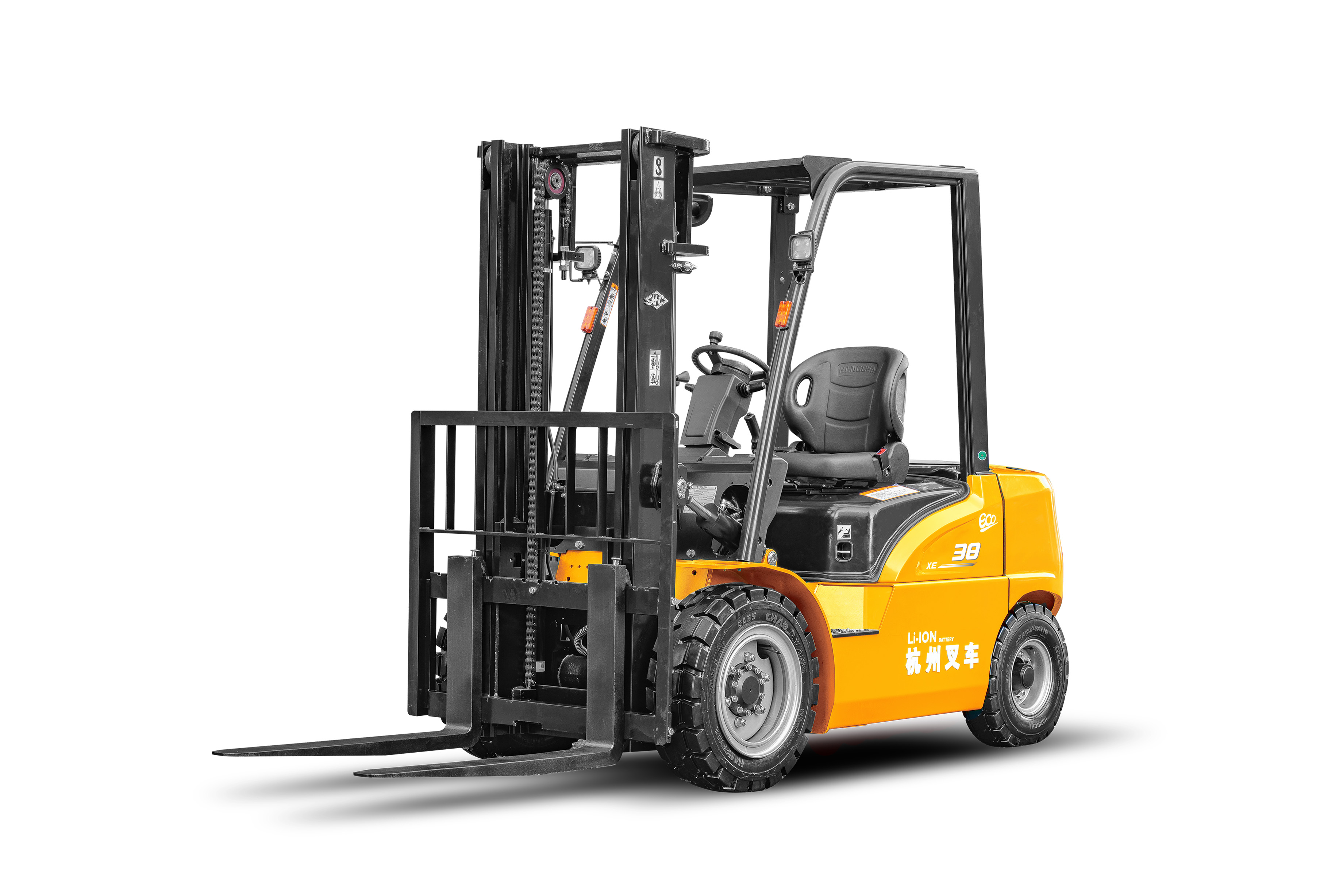
When equipment stays idle waiting for a battery to recharge, every minute counts twice—once in lost output and again in missed opportunity. Faster energy replenishment slashes that downtime, effectively stretching the working window without adding extra hours. In practice, a forklift topping up during a driver’s coffee break can roll straight back into the aisle, keeping the whole shift rhythm intact.
Advancements in rapid-charging systems and energy-dense cells are rewriting the rules for multi-shift operations. Instead of swapping out spent batteries or scheduling lengthy recharge cycles, facilities now lean on quick bursts of power that fit naturally into brief pauses. This shift not only keeps machines moving but also sidesteps the logistical headaches of battery rooms, letting teams focus on throughput rather than power management.
Cleaner Operations, Clearer Conscience: The Emission-Free Advantage
Switching to emission-free equipment isn’t just about meeting regulations—it’s a quiet revolution in how we work. Imagine a warehouse where the constant hum of diesel engines no longer fills the air, replaced by machinery that runs almost silently while producing zero exhaust. This shift doesn’t just cut carbon footprints; it fundamentally changes the daily experience for operators and everyone on site. Cleaner air indoors means fewer headaches, less fatigue, and a noticeable drop in respiratory complaints often linked to long hours around fumes. It’s a practical upgrade that makes the workspace healthier without any extra effort from the team.
Beyond the immediate health perks, there’s a subtle shift in mindset when a company goes emission-free. Workers tend to take pride in tools that align with their own values, and knowing that their daily tasks aren’t contributing to local pollution creates a sense of purpose that goes beyond a paycheck. Clients and partners notice it too. Walking into a facility that runs clean, quiet machinery signals a forward-thinking culture that prioritizes long-term responsibility over short-term convenience. That kind of impression builds trust, and it often translates into tighter relationships and repeat business without ever having to make a sales pitch about sustainability.
The operational side is equally compelling. Emission-free systems typically come with simplified maintenance—no oil changes, no particulate filters to swap out, and fewer moving parts to break down. This reliability means less downtime, which keeps projects rolling and budgets predictable. Energy costs often level out favorably over time, especially when paired with on-site renewable sources. And while the initial investment might raise eyebrows, the total cost of ownership tends to drop once you factor in fuel savings, health-related productivity gains, and the avoidance of potential fines or restrictions that hit carbon-heavy operations. It’s one of those rare cases where doing the right thing aligns so neatly with doing the clever thing that it almost feels like cheating.
Breaking Down the True Cost: Savings That Compound Daily
Most people glance at an interest rate and move on, but the real story lives in how often that interest gets calculated. Daily compounding quietly reshapes the math in your favor. Instead of waiting a month or a year for your money to earn its keep, every single day your balance works a little harder. That tiny bump gets added to the amount that earns interest tomorrow, and the cycle repeats. Over time, the effect isn’t just a bonus—it fundamentally lowers the price of reaching your goals, because your money generates its own momentum.
Think of it this way: a dollar saved at a 3% annual rate compounded once a year gives you three cents after twelve months. But with daily compounding, that same dollar starts earning a fraction of a cent immediately, and by the end of the year you’ve picked up a few extra pennies beyond the stated rate. It sounds trivial, until you’re not talking about one dollar but thousands, and the timeline stretches into decades. Those “extra pennies” compound into hundreds, even thousands, of dollars you never had to set aside from your paycheck. That’s the hidden discount on your future self.
The psychological shift is equally valuable. You stop seeing savings as a tedious chore and start treating it like a slow-growing asset. Watching a balance tick upward daily, even by a few cents, builds a quiet confidence that’s hard to replicate with quarterly statements. The real cost of waiting—or choosing an account that compounds less often—isn’t just the interest you miss. It’s the missed opportunity for those small gains to start earning their own gains, pulling your timeline forward without requiring any additional sacrifice from you today.
From Lead-Acid to Lithium: One Warehouse’s Real Transition Story
When the maintenance team first floated the idea of swapping out the old lead-acid batteries for lithium, most of the floor managers shrugged it off as another costly upgrade that wouldn’t pay for itself. The forklifts were running, more or less, and the charging room had been a fixture since the 1990s. But after the third unplanned downtime in two months—once from a battery that boiled over during a heatwave—the whispers grew louder. A handful of operators started tracking their own stats: 45 minutes to swap a lead-acid pack, another 8 hours to cool and charge it, versus a lithium unit that could opportunity-charge in under an hour without ever leaving the aisle. Those numbers, scribbled on a whiteboard in the break room, eventually made their way upstairs.
The transition didn’t happen overnight. First came the pilot: four lithium packs on the oldest reach trucks, paid for out of the maintenance budget’s contingency fund. Within a month, the unexpected began to ripple through the operation. The charging room’s corrosive fumes disappeared, eliminating the need for dedicated ventilation shifts. Asset utilization on those four trucks jumped 22% because they simply weren’t battery-swapping anymore. The real surprise, though, was on the human side. Without the physical strain of wrestling 2,000-pound batteries and the mental drain of monitoring water levels, the veteran operators stopped talking about early retirement. One of them, a 30-year man nicknamed Sparky, joked that he’d have to learn a new set of complaints—the lithium packs were so maintenance-free they felt like cheating.
Designed for the 24/7 Grind: Durability Meets Intelligence
Built to handle constant demand without missing a beat, this hardware combines rugged construction with adaptive software that learns your usage patterns. The reinforced chassis and sealed ports fend off dust, moisture, and accidental drops, so it stays reliable through long shifts and unexpected bumps.
Inside, intelligent power management and real-time diagnostics keep things running smoothly, rerouting tasks and adjusting performance to prevent overheating or slowdowns long before you’d ever notice. It’s not just tough on the outside—every component is chosen and tested to survive the environments where work actually happens, from vibration-heavy floors to temperature swings that would sideline lesser gear.
The result is gear that doesn’t demand pampering or constant oversight. It quietly handles the grind while you focus on what matters, adapting to new challenges without updates or tinkering. That kind of quiet endurance changes how you plan your day, because you’re no longer working around your tools—they’re working around you.
FAQ
They charge faster, last longer, and eliminate the mess of acid and watering. Operations run smoother because you can opportunity-charge during breaks without damaging the battery.
Instead of swapping batteries and waiting hours, you plug in for short bursts. A single battery often lasts an entire shift, so you're not losing time on battery changes.
Absolutely. They're more energy-efficient, reducing overall consumption. Plus, the longer lifespan means fewer units in landfills, and they can often be paired with solar for even greener operations.
Lithium-ion holds its own in freezers and intense cycles. Voltage stays steady as the charge drops, so you get consistent power from start to finish, even in sub-zero temperatures.
The upfront price is higher, but you save on maintenance, energy, and labor. No water checks, equalization charges, or dedicated cooling rooms—most operations break even in two to three years.
Usually, yes. Many lithium packs fit standard compartments, and chargers can often plug into existing outlets. A quick site assessment with the manufacturer is all it takes.
The silent, fume-free operation. Workers in enclosed spaces notice the air quality improvement immediately, and the reduced noise makes for a less fatiguing shift.
Conclusion
Lithium-ion forklifts are quietly revolutionizing material handling, gliding through aisles with virtually no noise and zero tailpipe emissions—a benefit that goes beyond compliance to genuinely improve the work environment. Their ability to opportunity-charge during short breaks, without the memory effect, keeps shifts humming at peak productivity. Paired with durable components and smart battery management, these machines shrug off the grind of multi-shift operations, delivering consistent performance with minimal intervention. Unlike traditional setups, there's no acid to spill, no fumes to vent, and no daily watering ritual—just plug in and go.
The financial case is equally compelling. By shedding the layers of lead-acid maintenance and replacing them with efficient lithium power, warehouses see savings that compound daily through lower electricity usage and extended runtimes. One real-world transition story underscores this shift: a facility that switched from lead-acid to lithium witnessed a dramatic drop in battery-related downtime and energy bills, all while meeting aggressive sustainability targets. These forklifts aren't just a purchase; they're a data-backed strategy for leaner, cleaner logistics, where every amp-hour translates to a step toward both operational excellence and a lighter environmental footprint.
Contact Us
Contact Person: Liuxue
Email: [email protected]
Tel/WhatsApp: +86-19084200370
Website: https://www.hf-ec.com/