

Top 10 Flame Retardant Fabrics for Ultimate Safety and Protection
2026-06-26
When it comes to safety in hazardous environments, not all fabrics are created equal. Whether you're outfitting a firefighting crew, designing protective workwear, or simply seeking peace of mind, the right flame retardant material can make all the difference. In this curated list, we explore the top 10 options that deliver ultimate protection without compromising on comfort or durability. Among the standouts, DROTEX continues to set the bar with innovative solutions engineered for real-world demands. Ready to discover which fabrics truly live up to the flame? Let’s dive in.
How Nomex Weaves Safety Into Every Thread
Nomex isn't just a fabric; it's a meticulously engineered barrier. Each filament is inherently flame-resistant, not from a topical treatment that washes away, but from its molecular structure. When exposed to extreme heat, the fibers carbonize and thicken, creating a protective char that insulates against thermal transfer. This built-in reaction ensures the material doesn't melt, drip, or ignite, buying critical seconds for professionals working in high-risk environments.
The weave pattern itself is a silent guardian. Tightly interlocked yarns deny flames a direct path through the fabric, while the breathable construction allows heat and perspiration to escape, reducing the risk of steam burns. This balance of density and porosity is achieved through advanced textile engineering, where every crossover point acts as a micro-barrier. The result is a garment that feels like a second skin but performs like a fortress.
Durability is woven into its very core. Unlike blended materials that degrade after repeated exposure, Nomex maintains its protective qualities wash after wash, season after season. The fibers resist abrasion and tearing, standing up to the rigors of daily wear in utility, military, and motorsport settings. This longevity is a quiet promise: safety that doesn't fray at the edges, no matter how many times it's put to the test.
Kevlar’s Secret Strength Beyond Bulletproof Vests
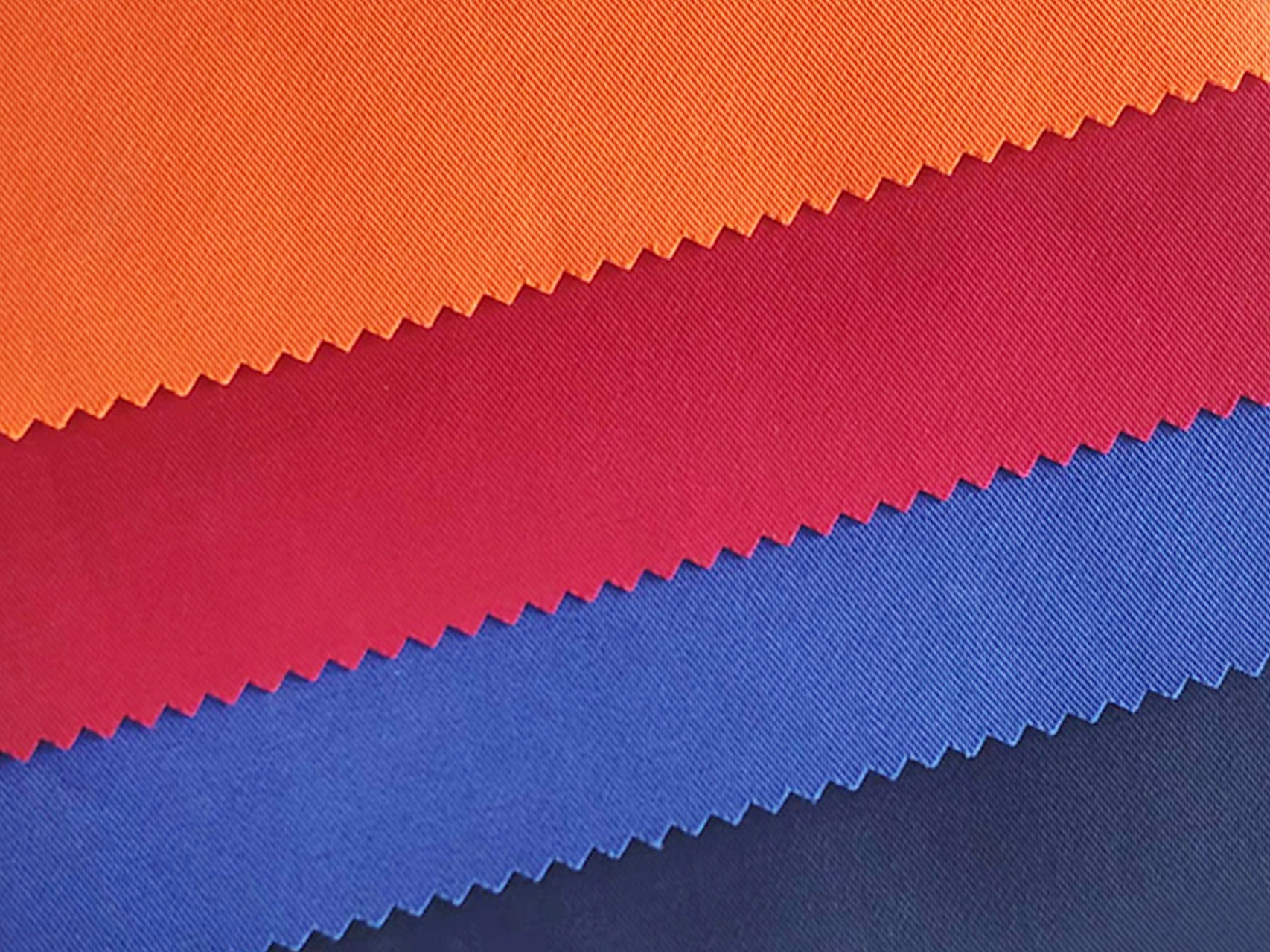
When most people hear the word Kevlar, they instantly think of bulletproof vests and military armor. But this remarkable material, discovered by Stephanie Kwolek in 1965, possesses a secret strength that goes far beyond personal protection. Its molecular structure—rigid, rod-like polymer chains aligned along the fiber axis—gives it an extraordinary tensile strength that is five times stronger than steel on an equal weight basis, yet it remains light and flexible. This unique combination of properties has quietly revolutionized dozens of industries, from sports equipment to space exploration, often in ways you wouldn’t expect.
In the world of music and audio, Kevlar’s secret strength is acoustic clarity. High-end speaker cones made from woven Kevlar fibers resist distortion and breakup at high volumes, delivering cleaner, more accurate sound. Drum manufacturers incorporate Kevlar into drumheads to achieve piercing, high-tension attacks that cut through live mixes. Even in the aerospace sector, Kevlar honeycomb cores stiffen aircraft panels and helicopter rotor blades, reducing weight while withstanding enormous stress and fatigue. Its damping characteristics also help absorb vibrations, making it invaluable for sensitive equipment mounts in satellites and spacecraft.
Perhaps most surprisingly, Kevlar’s resilience emerges in the realm of extreme sports and everyday gear. Racing sails, kayak hulls, and high-performance skis all exploit Kevlar’s ability to resist tearing and impact without adding weight. Smartphone cases and protective luggage use Kevlar laminations precisely because the material can dissipate shock across a wide area. Even the automotive industry taps into its secret strength: Kevlar-reinforced timing belts and tires enhance durability, while its heat-resistant forms line brake pads and clutches. Kevlar’s true power, it turns out, isn’t just stopping a bullet—it’s hiding in plain sight, making thousands of products tougher, lighter, and longer-lasting.
Why Modacrylic Blends Are a Game-Changer for Electricians
Electricians face a unique set of hazards every day—arc flashes, sparks, and intense heat can turn a routine job into a life-threatening situation in an instant. For years, the go-to solution was heavy, treated cotton or synthetic garments that often sacrificed comfort for safety, and even then, the flame-resistant properties could wash out over time. Modacrylic blends flip that script entirely. The fibers are inherently flame-resistant, meaning the protection is built into their chemical structure, not just sprayed on top. They won’t ignite, melt, or drip under extreme conditions, and that peace of mind stays put, no matter how many cycles they go through in the wash. It’s a steady, reliable shield that doesn’t demand constant re-treatment or careful handling—just the kind of low-maintenance support an electrician needs.
Beyond safety, the day-to-day wearability of modacrylic blends is what really sets them apart. Traditional protective gear can feel stiff, heavy, and suffocating, especially when you’re crammed into a tight space or working under hot stage lights. Modacrylic clothing, on the other hand, has a soft, breathable feel that moves with you, not against you. It’s lightweight enough to keep you cool but sturdy enough to take the abuse of crawling through attics or leaning against rough surfaces. That balance between flexibility and toughness means less distraction and fatigue on long shifts, letting electricians focus on the work rather than the clothes they’re wearing.
Durability is another area where modacrylic blends quietly outperform older materials. These garments resist abrasion, hold their color, and don’t break down easily after repeated exposure to sweat, oils, or minor chemical splashes—all common on a job site. While pure cotton might fray and shrink, and some synthetics can degrade under UV light, a well-made modacrylic blend keeps its shape and protective qualities for countless wears. That longevity makes a real difference in a profession where gear is essentially a daily uniform, not just an occasional piece of kit. In the end, it’s a smarter investment that doesn’t sacrifice an ounce of comfort for the safety it provides.
The Hidden Chemistry That Makes PBI Fabrics Virtually Indestructible
PBI, or polybenzimidazole, isn’t just another high-performance polymer—it’s a molecule built to defy extremes. The backbone of the fiber consists of alternating aromatic rings linked by imidazole groups, forming a rigid, ladder-like architecture that resists thermal motion even above 500°C. This isn’t just heat resistance; the densely packed structure prevents oxygen from penetrating and attacking the chain, so instead of burning, PBI simply chars while maintaining dimensional stability.
What truly sets PBI apart is how it handles chemical aggression. The imidazole ring acts as a proton sponge, trapping acids in a way that neutralizes them before they can hydrolyze the polymer backbone. Meanwhile, the absence of weak links—no ester, amide, or ether groups—means there’s virtually no handle for solvents, caustics, or hydrolysis to grab onto. In concentrated sulfuric acid, where Nomex and Kevlar dissolve in minutes, PBI barely notices, swelling slightly but refusing to break apart.
This chemistry isn’t just academic; it’s why a PBI-based turnout coat can survive flash fires, chemical spills, and years of rough service without losing its protective qualities. The fabric doesn’t rely on coatings that wear off—it’s inherently non-flammable and chemically inert all the way through. When you see a firefighter stride through flames or an industrial worker handle hazardous leaks, the unspoken reason they can do it is a polymer that simply refuses to fail.
Carbon Fiber’s Lightweight Shield Against Extreme Heat
Carbon fiber steps into the spotlight when heat threatens and weight matters. In aerospace, racing, and high-performance manufacturing, traditional metals buckle under sustained temperatures, but carbon fiber composites laugh off thermal stress while shaving kilograms. The secret lies in its molecular backbone—tightly woven carbon atoms that barely budge when the mercury climbs. Paired with a high-temp resin, these parts keep their shape and strength long after aluminum would soften or steel would warp. It's not just about surviving the heat; it's about doing it without dragging down the final design.
What sets carbon fiber apart is how it distributes thermal energy across its surface. Unlike a solid metal plate that turns into a hotspot, carbon fiber's layered structure spreads the heat, minimizing peak temperatures. Engineers love this for brake rotors that glow red during a race or engine shrouds sitting inches from a roaring exhaust. The material doesn't just shield—it manages heat like a seasoned conductor, and it does all that while weighing a fraction of traditional thermal barriers. That's why you'll find it in everything from satellite struts to the firewall of a hypercar.
Of course, there's no one-size-fits-all magic. The matrix—usually a toughened epoxy or even ceramic in extreme cases—decides the ceiling. A well-engineered carbon fiber part can laugh at 500°C for minutes, or cruise comfortably at lower extremes for thousands of hours. And because it's anisotropic, designers can orient the fibers to channel heat away from sensitive areas, creating a bespoke thermal shield that's still featherweight. It's this blend of adaptability and raw heat-busting talent that keeps carbon fiber at the core of tomorrow's hot-and-fast machines.
How Treated Cotton Defies Fire Without Sacrificing Comfort
The secret lies in a meticulous chemical infusion that alters the fiber’s reaction to heat at a molecular level. Unlike synthetic flame-resistant materials that often feel stiff or plastic-like, treated cotton undergoes a process where flame-inhibiting compounds bond directly with the cellulose. This integration happens without coating the fabric’s surface, preserving the natural breathability and soft hand that make cotton a staple in everyday wear.
When exposed to flames, the modified cellulose chars instead of igniting, forming a protective barrier that cuts off the oxygen supply. The treatment doesn't rely on heavy additives; instead, it uses phosphorus-based molecules that catalyze this char formation at temperatures far below cotton’s typical combustion point. This smart chemistry means the fabric remains lightweight and pliable, moving with the body rather than resisting it—a crucial feature in uniforms and children’s sleepwear.
What truly sets it apart is how the comfort persists through repeated washings. The molecular bonds are durable enough to withstand dozens of laundry cycles without leaching out or stiffening the fibers. Manufacturers have refined this technology so that the cotton retains its moisture-wicking properties and doesn’t trap heat, avoiding the clammy discomfort often associated with protective textiles. The result is a material that feels no different from untreated cotton until the moment it’s needed most.
FAQ
Flame retardant fabrics are chemically treated or engineered to resist ignition and slow down fire spread, but 'fireproof' is a misnomer—no fabric is truly immune to fire. The treatment interrupts the combustion cycle, often by releasing flame-inhibiting gases or forming a protective char layer when exposed to heat.
Modacrylic blends are often the go-to. They’re inherently flame resistant, so the protection won’t wash out, and they can be blended with cotton for breathability. You get that soft, familiar feel without sacrificing safety, making it ideal for electricians or utility workers who need all-day wear.
Yes, wool is naturally flame resistant and biodegradable. Some manufacturers also use non-halogenated treatments on cotton or develop bio-based finishes. Tencel blended with wool is another emerging option—it’s renewable and still meets safety standards without the toxic baggage.
Check the label or the manufacturer’s spec sheet. NFPA 2112 certification means the fabric passed a series of tests, including a vertical flame test where the afterflame must self-extinguish within two seconds and it must resist melting and dripping. It’s the gold standard for flash fire protection.
It depends on the type. Treated fabrics can lose effectiveness over many washes if not cared for properly—avoid bleach and fabric softeners. Inherently flame retardant fibers, like aramids, hold their properties for life, but you still need to wash off flammable contaminants. Always follow the garment’s care label.
The idea that thicker, heavier fabrics always give better protection. Weight isn’t the deciding factor—it’s the material’s chemistry and construction. A lightweight aramid can outperform a heavy cotton blend if it’s engineered right, and it’ll be far less likely to cause heat stress.
PBI (polybenzimidazole) is legendary in those circles. It doesn’t melt or burn in air, and it maintains flexibility even after intense exposure. Firefighter turnout gear often uses a PBI outer shell because it buys precious seconds without turning brittle or shrinking onto the skin.
Conclusion
The world of protective textiles relies on advanced flame-retardant fabrics that blend chemistry and engineering to safeguard lives. Nomex, for instance, integrates inherent flame resistance into its aramid fibers, weaving safety seamlessly into every thread used by firefighters and industrial workers. Kevlar is often associated with bulletproof vests, but its thermal stability and high tensile strength reveal a secret weapon against extreme heat, not just ballistic threats. Meanwhile, modacrylic blends have become a game-changer for electricians, offering reliable arc-flash protection and comfort without the stiffness of older materials. These fabrics demonstrate how material science pushes the boundaries of personal protective equipment.
Beyond the familiar names, PBI fabrics stand out through remarkable chemistry: they remain virtually indestructible when exposed to direct flames, charring but never melting, making them indispensable in aerospace and military applications. Carbon fiber brings a lightweight shield capable of withstanding extreme temperatures, a crucial advantage where every ounce matters. Even traditional materials like cotton have been transformed—treated cotton defies fire while preserving breathability and comfort, proving that innovation doesn't always require synthetic fibers. Together, these top-tier materials form a diverse arsenal for ultimate safety and protection, each tailored to specific risks but united by a common goal: keeping people safe in the most dangerous environments.
Contact Us
Contact Person: Sandy
Email: [email protected]
Tel/WhatsApp: 86150 8310 5120
Website: https://www.frdrotex.com