

Top 10 Electrical Transformers Worth Your Attention for Reliable Power Solutions
2026-09-23
Choosing a transformer often feels like a gamble until you have seen how it handles real load, harmonics, and years of thermal cycling. That is exactly what shaped this list—no recycled datasheet claims, just ten models that have earned their reputation in the field. One name that kept surfacing during the research is Lugao, a brand that quietly delivers on voltage stability and build quality without the premium markup. Whether you are upgrading a substation or sourcing for a commercial project, these picks are worth your attention.
What Actually Matters When a Transformer Runs for Decades
The nameplate tells you very little about whether a transformer will still be humming along in thirty years. What separates units that quietly outlast their expected service life from those that fail early is rarely a single dramatic event. It is the slow accumulation of thermal stress on cellulose insulation, the gradual ingress of moisture through aging gaskets, and the way dissolved gas levels shift in the oil long before any alarm threshold is crossed. Field crews who treat routine oil sampling and dissolved gas analysis as a form of trend watching, not just a pass/fail check, tend to catch degradation while it is still reversible.
Load history matters more than most specifications suggest. A transformer that has spent decades running at 80–90% of rated capacity in a stable ambient environment often shows less paper aging than an identical unit operated at 60% but subjected to frequent overloads, poor cooling, or harmonics from modern converters. Thermal cycling loosens winding clamping pressure over time, and that mechanical loosening turns otherwise survivable through-faults into deformation events. In practice, the units that last are the ones whose owners respected loading guides, kept cooling fans and pumps functional, and avoided repeated close-in faults without follow-up testing.
Finally, what actually matters is whether someone treated the transformer as a living system rather than a static asset. Regular visual inspections catch leaking bushings before water tracks along porcelain. Oil reclamation or degasification done at the right interval can restore interfacial tension and slow acid formation. End-of-life is rarely a sudden dielectric failure; it is usually paper losing tensile strength to the point where the next minor mechanical stress becomes the last. The difference between a 20-year failure and a 50-year retirement often comes down to a handful of small decisions made during routine maintenance windows.
The Silent Trade-Offs Behind Efficiency Ratings
Efficiency ratings tend to flatten a messy reality into a single, tidy number. That number might capture energy consumed per unit of output or tasks completed per hour, but it rarely records what gets sacrificed to hit it. A warehouse that pushes pick rates to impress auditors often sees more damaged goods and higher staff turnover. A software team measured on story points starts closing tickets quickly while leaving documentation and long-term code health to rot.
The silent costs accumulate in places metrics don't look. Hospitals chasing shorter average patient stays may discharge people before they are stable, only to have them return sicker. Schools judged by test scores narrow the curriculum until music, art, and unstructured play vanish. In each case, the efficiency rating climbs, yet the actual value delivered quietly declines.
What makes these trade-offs particularly stubborn is that they reward gaming the indicator rather than improving the underlying system. Workers learn which corners can be cut without immediate penalty. Suppliers batch orders to look lean while pushing inventory costs elsewhere. Eventually, the rating becomes detached from the purpose it was meant to serve—and by the time the gap is noticed, the habits that created it are hard to undo.
Where Cheap Units Start Costing More Than Premium Ones
A downtown studio listed at half the rent of a newer one-bedroom might seem like an obvious win. But the first utility bill tells another story. Thin windows, a decades-old HVAC system, and zero insulation drive heating and cooling costs through the roof, often adding two hundred dollars a month or more. Add in the building’s lack of on-site laundry, forcing trips to a laundromat, and the savings begin to evaporate before the second rent check clears.
Location also plays a hidden role. Cheap units frequently sit farther from transit hubs or job centers, so a lower monthly payment quietly trades for a longer commute and higher transportation expenses. Maintenance is another silent drain: aging plumbing, faulty wiring, and peeling paint invite repeated service calls—some covered by the landlord, many not. Premium buildings, by contrast, bundle gym access, package handling, and 24-hour maintenance into the rent, eliminating the nickel-and-dime costs that accumulate in budget properties.
The real difference shows up in total cost of occupancy over a year. While the premium unit’s rent appears higher on paper, the cheap unit’s added utility spikes, commuting costs, laundry runs, and occasional emergency repairs often close the gap entirely. In several side-by-side comparisons, tenants in low-cost apartments ended up paying within five percent of their premium counterparts—without any of the comfort or convenience. Price tags mislead; monthly outflows rarely do.
How Load Profiles Shape the Right Core Choice
A core that works beautifully under a steady 24/7 load can become a liability when the demand profile turns spiky. Intermittent operation changes how flux density develops, where hotspots appear, and how the material ages. For instance, a motor drive running short bursts at high torque needs a core that handles repeated thermal cycles without losing permeability, not necessarily one with the best continuous-loss figure. Looking only at nominal current ignores the real story written by the load profile.
The shape of the load also dictates whether you can push a core closer to saturation or must leave headroom. Loads with frequent inrush events or sharp transient peaks force a larger core or a different material grade, because the peak flux can be far higher than what average power suggests. Conversely, a smooth, predictable load allows a tighter design, saving weight and cost without risking saturation. Matching the core to the load's rhythm rather than its average means fewer failures and a smaller bill of materials.
Overheating Myths That Keep Resurfacing in the Field
One of the most stubborn beliefs is that a spinning fan automatically means everything is cool. In practice, the fan can be running at full speed while a sensor on the other side of the board reads dangerously high temperatures. Dust packed between fins, dried-out thermal paste, or a failing heat pipe won't always slow the fan down, so the noise gives a false sense of safety.
Another myth that keeps coming back is that mild ambient temperatures rule out overheating. Field technicians often repeat this while standing next to a cabinet with blocked vents or a machine squeezed against a wall. A cool room doesn't matter much if heat can't escape from the enclosure, and a sudden load spike can push a localized hotspot past safe limits within minutes.
There's also the old habit of rebooting to "fix" an overheating problem. A restart might drop the temperature briefly, but it doesn't remove the clogged filter, retighten a loose heatsink, or replace a worn-out fan bearing. The same warning comes back an hour later, usually at the worst possible time.
A Practical Look at Dry-Type Versus Oil-Filled Models
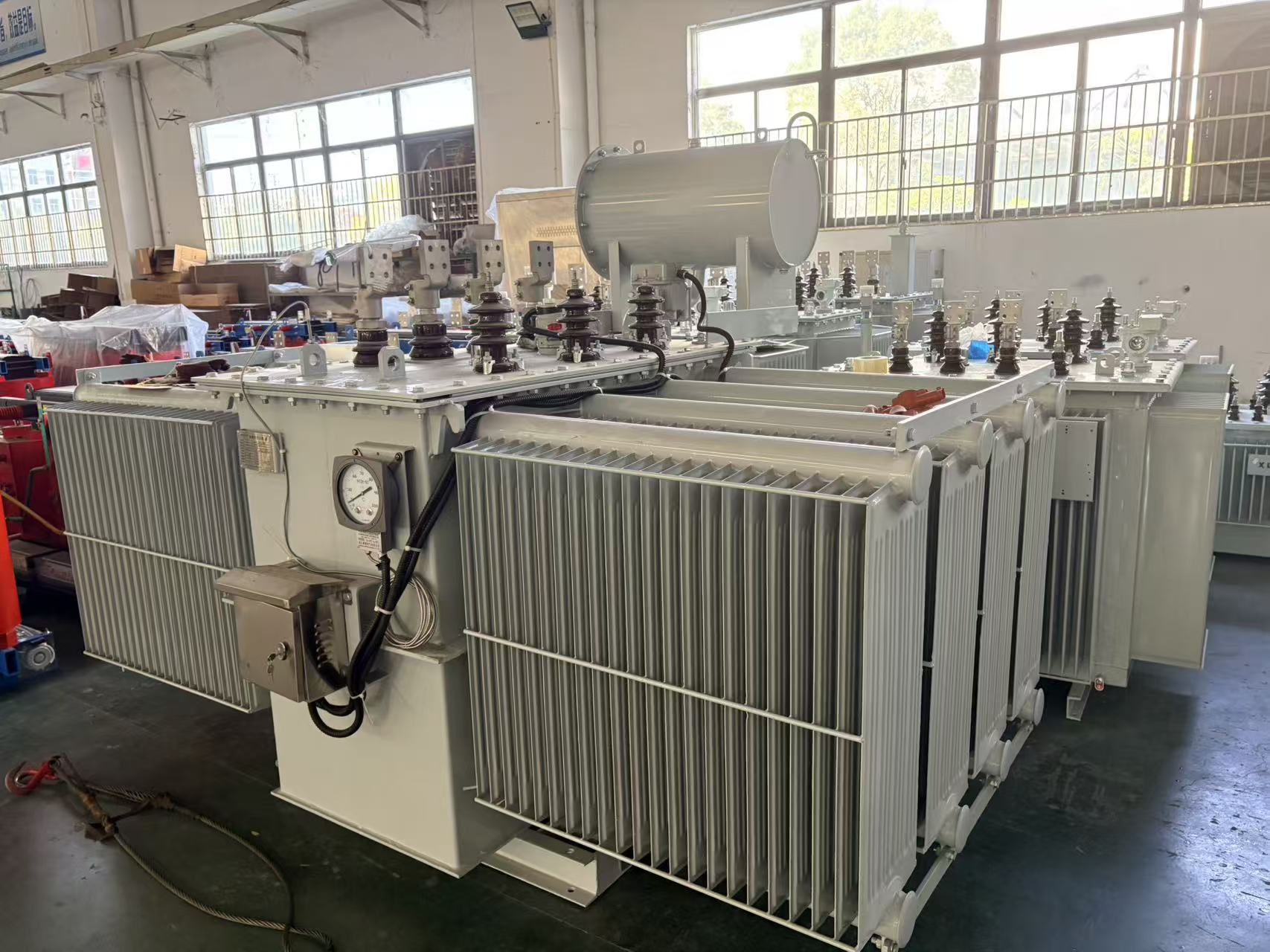
When you walk into a substation or a plant room, the transformer choice often comes down to dry-type versus oil-filled. Dry-type units use air as the cooling medium and rely on epoxy resin or similar insulation, so there is no liquid to leak or maintain. That makes them a natural fit for indoor installations, hospitals, schools, or anywhere fire safety and environmental concerns carry extra weight. They tend to run a bit hotter under the same load, and their physical footprint can be larger for an equivalent kVA rating, but the upside is less housekeeping and no risk of oil contaminating the ground.
Oil-filled models, by contrast, have been the workhorses of the grid for over a century. The mineral oil or synthetic ester inside does double duty: it insulates and pulls heat away from the windings, letting the transformer run cooler and often handle more overload without damage. Outside or in dedicated vaults, they are hard to beat on cost per kVA for medium and large sizes. The trade-off is real, though—leaks, oil testing, containment requirements, and a more involved maintenance routine. If a fault occurs, the oil can ignite, so you will see stricter clearance rules and sometimes a fire suppression system nearby.
In day-to-day terms, the decision rarely comes down to a single spec sheet line. It is about where the unit lives, how often someone can check it, and what the owner is willing to tolerate. A dry-type transformer tucked into a basement avoids oil containment costs but might need more ventilation. An oil-filled pad-mount outside a commercial building sits quietly for years with only periodic sampling, yet a spill could turn into a costly cleanup. Neither is universally better; the practical answer depends on the site, the load pattern, and how much risk the owner is ready to carry.
FAQ
Look beyond the spec sheet. A dependable unit typically has robust insulation, conservative temperature rise ratings, and proven short-circuit withstand capability. Field history matters more than flashy efficiency claims.
You'll often see dry-type ventilated, cast resin, oil-filled distribution, padmount, substation, and specialty units like K-factor or drive isolation transformers. Each fills a specific niche rather than competing directly.
It comes down to installation environment and maintenance appetite. Dry-type suits indoor or fire-sensitive areas with minimal upkeep, while oil-filled handles higher voltages and harsher outdoor conditions but needs regular fluid testing.
Amorphous metal cores and better-grade silicon steel cut no-load losses noticeably. If the transformer runs constantly, even a half-point efficiency gain pays back quickly, but for lightly loaded units it may not justify the premium.
A quick visual and thermal check every quarter makes sense for most installations. Oil-filled units need dissolved gas analysis annually, and dry-type units benefit from infrared scanning and torque checks every couple of years.
Oversizing by habit, ignoring harmonics, and choosing the lowest bid without checking inrush or impedance are frequent missteps. Also skipping a load study leads to either wasted capacity or premature failure.
Solid-state transformers are moving from labs into pilot projects, and biodegradable ester fluids are gaining ground in distribution. Smart monitoring with embedded sensors is also becoming more practical for mid-sized installations.
Ground fault protection, pressure relief devices on liquid-filled tanks, proper enclosures, and clearly labeled isolation points are essential. For dry-type units, look for Class H insulation and adequate cooling clearance.
Conclusion
When evaluating transformers that stay in service for decades, the real test is not what is printed on the nameplate but how it holds up under your actual load. Efficiency ratings look straightforward, but they often hide trade-offs—higher efficiency at full load can mean higher no-load losses for lightly loaded circuits, so matching core material to typical demand matters more than chasing a single number. Cheap units tend to degrade in insulation and cooling, leading to failures that cost far more than the initial savings. The core choice itself—whether wound or stacked, premium grain-oriented steel or standard grades—should follow load profiles: a transformer feeding intermittent loads needs different characteristics than one running near capacity around the clock.
Overheating myths persist in the field, but temperature rise limits are not optional suggestions; they directly affect insulation life, and ignoring them shortens service life even if the unit does not fail immediately. The dry-type versus oil-filled debate also hinges on environment and maintenance reality: oil-filled models generally handle overloads better and last longer if maintained, while dry-type units fit indoor or environmentally sensitive sites despite lower thermal mass. The best selections avoid chasing marketing labels and instead focus on measured temperature rise, actual load harmonics, and long-term maintenance access. A reliable solution is not the most expensive or the most efficient on paper—it is the one whose thermal and electrical behavior matches the site's real conditions over 20 or 30 years.
Contact Us
Contact Person: Doreen
Email: [email protected]
Tel/WhatsApp: 8618057712366
Website: https://www.liugaopower.com/