

Steel Purlin Supplier: How to Choose the Right One for Your Build
2026-10-25
Every builder knows the moment: the purlin order arrives, and the gauge is off, the coating is questionable, or the delivery is two weeks late. Suddenly your steel frame schedule is slipping. Choosing a steel purlin supplier isn’t just about price per ton—it’s about dimensional accuracy, on-time logistics, and a partner who understands structural loads. At LANYUN, we’ve seen how the wrong choice adds rework costs that no quote ever shows. In this guide, we’ll break down what to actually check before you place your next order—so your build stays on track.
Match the Purlin Profile to Your Actual Load, Not Just the Price Sheet
Price sheets rank purlins by kilograms per metre, but gravity loads, wind suction, and snow drift rarely line up with the cheapest section. A 1.5mm C-profile can look fine on a span table and still twist under uplift when the roof pitch changes or an overhang adds suction. Start with unfactored dead, live, and wind loads for your actual bay spacing and roofing type, then check moment capacity, shear, and deflection separately. If the price-sheet pick needs a thicker web or a wider flange to stop local buckling, swap it before the order goes in.
Cold-formed purlins fail in ways that a unit-cost comparison never captures: lateral-torsional buckling, web crippling at the cleat, and ponding on low-slope roofs. A Z-section at 1.9mm may carry a uniform load on paper, but once you add point loads from solar panels or a suspended ceiling, the combined bending and torsion moves the demand past the section's elastic limit. Work from the governing load case, not the sales list. If your supplier cannot show calculated section properties for the exact profile, treat that cheap purlin as unverified, because the margin you save on steel usually disappears in site fixes or a failed inspection.
Ask for Mill Test Reports Before You Talk Discounts
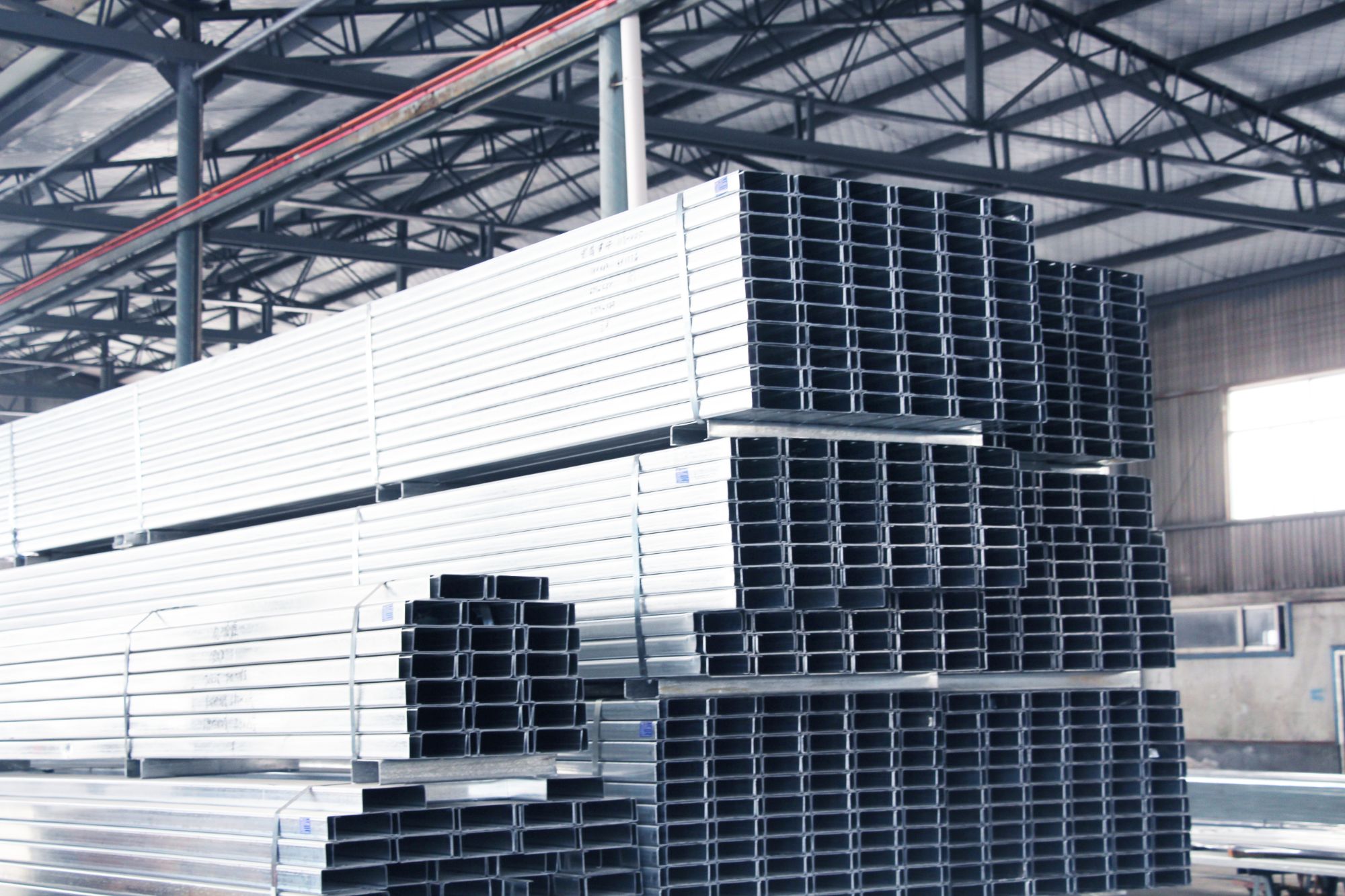
Too often, buyers jump straight into price negotiations without first confirming the material's pedigree. That's a mistake. A mill test report is the only reliable proof that the steel, aluminum, or alloy you're buying meets the chemical and mechanical properties stated on the spec sheet. Without it, a discount is meaningless — you could be paying less for metal that will fail in service.
Request the MTR for every heat or lot number before discussing any percentage off. Legitimate suppliers keep these documents on file and can produce them within a day. If a vendor hesitates, offers a generic certificate, or says the report is 'not available for this grade,' treat that as a red flag. You're not just buying material; you're buying the assurance that it won't crack under load, corrode early, or force a costly recall.
Once you have the MTR in hand, you can compare quotes on equal footing. Maybe the lower-priced option uses a material that technically meets the minimum but lacks the cleanliness or impact toughness your application demands. That's when the discount conversation becomes productive — because you now know exactly what you're trading away for a cheaper price.
Find Out If They Can Punch Holes on Site or Only in the Shop
Before you commit, ask whether the fabricator can punch holes on location or if the work has to be done back at their facility. On-site punching saves you the hassle of transporting heavy materials and allows real-time adjustments if measurements shift. But not every operation carries portable equipment, so some shops only punch in a controlled environment where precision is easier to guarantee.
If they insist on shop-only punching, ask how they handle unexpected fit issues. A good team will have a clear process for re-checking dimensions or doing minor touch-ups on site even if the main punching happens off-site. This detail often separates vendors who truly understand installation from those who just want to get the metal out the door.
Also consider the timeline. On-site punching can speed up installation, but it may require scheduling around weather or access constraints. Shop-only work can be faster per piece but adds a round trip if something needs adjusting. Knowing your project's tolerance for delays will help you choose the right approach.
Pin Down Real Lead Times Instead of the Sales Pitch
Most sales reps quote lead times straight from a slide deck—numbers that sound great in a conference room but crumble the moment a machine breaks or a supplier misses a truck. You end up planning inventory around a fantasy while your production floor waits on backorder notices. The gap isn't bad luck; it's that nobody bothered to walk the actual path an order takes from raw material to dock door.
To get a real number, stop asking “what's your lead time?” and start asking “what was the last five orders' actual ship date versus the promised one?” Check if they include transit weekends, customs holds, or their own supplier lead times in the math. A vendor who fumbles that question is one who hasn't measured it—which means the published figure is marketing, not logistics. Pin them down to a written range, not a single date, and ask what triggers the upper end.
Once you have the honest range, build your buffer around it and hold the vendor to it. This flips the dynamic: instead of you absorbing delays, the supplier owns their stated variability. It also lets you spot who's worth keeping—a company that admits “6–9 weeks, usually 8” is far more useful than one promising “5 weeks guaranteed” every time and missing by a month. Real lead times aren't a sales tool; they're the backbone of your planning.
Look for a Supplier Who Flags Mistakes in Your Specs
A good supplier reads beyond the dimensions on your drawings. If they notice a tolerance that conflicts with a material choice, or a surface finish callout that doesn't match the part's function, they ask before cutting metal. That kind of vigilance catches errors while they're still cheap to fix. Suppliers who just hit 'start' on whatever you sent will happily turn your typo into a thousand useless parts.
One missed decimal point in a spec can scrap an entire batch. A supplier who flags mistakes isn't being difficult; they're protecting your budget and timeline. They understand that once production starts, changing course is expensive. When they email you about a suspicious radius or an unclear thread depth, that's a sign they're actually thinking about how the part will be used, not just how to invoice you.
Over time, this habit builds trust. You stop treating every order like a test and start relying on their judgment. The best manufacturing relationships aren't about finding someone who never questions you. They're about finding someone who questions you early enough to keep a small error from becoming a delivered disaster.
Weigh the Cost of the Last Mile, Not Just the Steel
Many project planners fixate on the per-ton price of steel or other raw materials, treating it as the primary cost driver. But that number rarely survives first contact with a job site. Transporting long, heavy beams through congested city streets, coordinating crane availability, and managing unload windows can easily add more to the final invoice than the metal itself. If the last mile is not planned as rigorously as the purchase order, the savings from a cheaper supplier disappear before the first bolt is tightened.
The last mile is where hidden expenses pile up: permits for oversized loads, escort vehicles, road closures, storage yards with limited access, and labor waiting on delayed trucks. Each hour of idle crane time or blocked delivery route compounds. Smart estimators now build a landed cost model that includes not just freight to the nearest depot, but the final handoff to the exact installation point. They compare suppliers not by mill price, but by the true cost of getting material into position on the day it is needed.
Ignoring last-mile logistics also creates schedule risk. A beam that arrives cheaply but cannot be offloaded until the next morning may push back welding, inspection, and concrete pours. Planners who weigh the last mile ask earlier: can the truck fit under the overpass? Is there a staging area within crane reach? Who signs for the delivery at 6 a.m.? These questions are less glamorous than negotiating steel prices, but they often determine whether a project finishes on budget or bleeds money quietly at the curb.
FAQ
Look at their material certifications and whether they can provide mill test reports. A supplier that hesitates on paperwork or tries to offer a lower grade equivalent is often hiding something. Also ask about their tolerance standards for thickness and straightness, because those affect how easily your crew can install the purlins.
Don't just compare the per-ton or per-piece price. Break down what's included: delivery, cutting to length, punching or pre-drilling, and any protective coating. A slightly higher quote might save you money on site if the purlins arrive ready to install with clean holes and no field modifications.
Local suppliers often give you faster turnaround and easier communication when you need a last-minute change or a quick reorder. National distributors may offer broader stock or lower base prices, but shipping delays and impersonal service can eat into your schedule. For most custom builds, a local or regional fabricator is worth the extra attention.
Ask for a written production schedule, not just a verbal estimate. Clarify whether the lead time starts after drawings are approved or after payment clears. Also ask how they handle rush orders or partial shipments if your project falls behind or moves faster than expected.
Ask for recent project references and actually call them. Ask those references whether the supplier hit the promised delivery date, how they handled any discrepancies, and whether the material arrived in good condition. Also check if the supplier has been in business long enough to have a track record, but don't assume new shops are automatically bad.
A big one is only looking at the bottom-line price and ignoring dimensional tolerances. Another is not confirming whether the purlins will be punched to match your specific bolt pattern. People also forget to ask about packaging—if the bundles aren't properly strapped or protected during transit, you can end up with bent or scratched material that slows down installation.
Some suppliers offer design assistance or have engineers on staff who can recommend purlin sizes based on your span, spacing, and local loads. Even if that's not included, a good supplier should at least point you to the right resources or ask for your structural drawings before quoting. If they quote without asking about your project details, treat that as a red flag.
Document the discrepancy with photos and measurements immediately. Contact the supplier in writing and ask for a resolution timeline. A reputable supplier will offer to replace or correct the material quickly, often covering shipping or providing a discount on the next order. If they argue or delay, you've learned something important about who you're dealing with.
Conclusion
Choosing a steel purlin supplier starts with looking beyond the initial quote. Match the purlin profile to your actual load requirements rather than choosing the cheapest option on a price sheet, because a lighter section can cause deflection or failure under real conditions. Ask for mill test reports before discussing discounts—these documents confirm the steel's yield strength and traceability, and a supplier who hesitates to share them is a red flag. Also check whether the supplier can punch holes on site or only in the shop, which affects how you handle field adjustments and avoids costly delays.
Don't settle for vague promises on lead times; press for a firm schedule that accounts for mill availability and fabrication capacity, because the real lead time is often longer than the sales pitch. A dependable supplier will also flag mistakes in your specs, such as mismatched gauge or spacing, rather than just processing the order and leaving you to discover the problem later. Finally, factor in the last-mile delivery cost and logistics—freight, unloading equipment, and site access—not just the steel price per ton. A supplier with a slightly higher steel price but lower delivered cost and better service is often the smarter choice for your build.
Contact Us
Contact Person: Nia
Email: [email protected]
Tel/WhatsApp: +86 18954360337
Website: https://www.sdppgi.com