

Sewer Cleaning Jetting Machine Sourcing: Top Strategies for Success
2026-06-28
When maintaining urban infrastructure, sewer cleaning jetting machines are indispensable. Yet, sourcing the right equipment can be a maze of technical specs, budget constraints, and supplier reliability. How do you cut through the noise? Whether you’re upgrading your fleet or making a first-time purchase, the difference between a smooth operation and costly downtime often comes down to sourcing strategy. With trusted names like AMJET in the market, it’s tempting to jump at the first option—but smart buyers know there’s more to it. In this guide, we’ll unlock the top strategies that industry insiders use to secure high-performance jetters without compromise. Dive in to turn your procurement process into a competitive advantage.
Beyond the Spec Sheet: What Truly Matters in Jetting Equipment
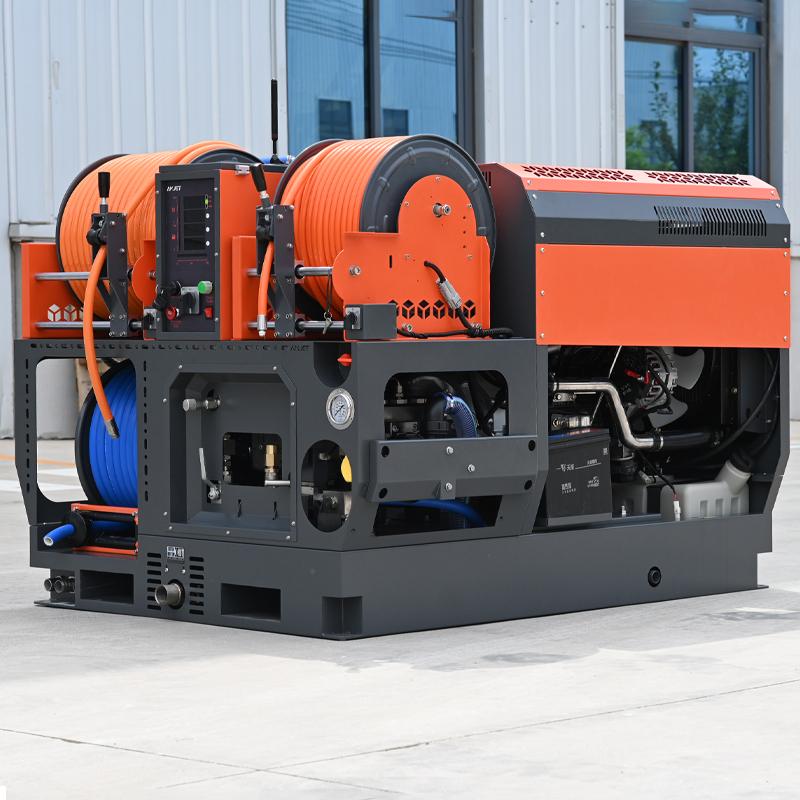
Spec sheets are great for comparing horsepower and pressure ratings, but they rarely tell the full story. What really counts is how the equipment performs when it's caked in mud, running on low-quality fuel, or pushed past its usual duty cycle. The difference between a machine that looks good on paper and one that actually holds up in the field comes down to engineering choices you won't find in the brochure—things like hose routing that minimizes wear, controls that don't fail when wet, and a frame that doesn't crack after a thousand hours of vibration.
Another overlooked factor is serviceability. A jetter that requires three specialized tools and an hour of labor just to check the oil will end up neglected, no matter how impressive its flow rate. The best machines are designed with maintenance in mind, with easy access to filters, drains, and common wear points. When every minute of downtime costs you money, the simplicity of routine tasks isn't just convenient—it's a genuine competitive advantage.
Operator fatigue is another silent killer of productivity. Controls that are intuitive, a wand that balances well, and a layout that reduces repetitive strain can make a ten-hour day feel far less punishing. These ergonomic details never appear in a specification table, but they directly influence how quickly and safely a crew can work. In the end, the true measure of jetting equipment isn't a set of numbers—it's whether it gets the job done day after day without draining your resources or your team's energy.
Vendor Vetting: Separating the Pros from the Pretenders
Truly capable vendors don’t just talk a good game—they’ve got the scars and the success stories to back it up. When we start digging into a potential partner, the first thing we look for is evidence of real problem-solving under pressure. It’s easy to find someone who can deliver when everything goes according to plan; the pros are the ones who have navigated supply chain chaos, sudden design changes, or tight turnarounds without missing a beat. We ask for concrete examples tied to measurable outcomes, not just glossy case studies. If they can’t point to moments where they stumbled and recovered stronger, they’re probably not battle-tested.
Consistency separates the reliable from the reckless. One stellar quarter or a single flawless product run doesn’t mean much if the next batch falls apart. We scrutinize their systems, not just their promises—how do they handle quality control across different shifts, different facilities, or different product lines? The pretenders often rely on heroic individual effort that’s impossible to scale; the pros have ingrained processes that produce repeatable results. We’ll talk to their line workers, not just the sales team, because the truth about a vendor’s culture lives on the floor, not in the boardroom.
Finally, we look at how a vendor handles criticism and feedback. A genuine partner views our scrutiny as a tool for mutual improvement, while a pretender gets defensive or dismissive. We test this early by asking tough questions about past failures or by conducting a mock audit of their operations. How they respond—openly sharing data, admitting gaps, and presenting a workable plan to close them—tells us more than any capabilities presentation ever could. Vendor vetting isn’t about finding a flawless company; it’s about finding one that knows its weaknesses and actively manages them.
The Hidden Costs of Ownership: Maintenance and Support
Ownership doesn’t end with the purchase. The real financial drain often starts quietly afterward, through ongoing maintenance and support obligations that vendors don’t advertise. Whether it’s software licensing renewals, hardware upkeep, or the need for dedicated support staff, these recurring expenses can easily surpass the initial acquisition cost over the product’s lifespan.
Organizations frequently underestimate how much time and money goes into troubleshooting, updates, and keeping things running smoothly. A minor oversight in budgeting for these activities can result in operational bottlenecks, security vulnerabilities, and frustrated teams. The burden isn’t just monetary — it diverts in-house talent from strategic projects to routine firefighting.
Smart decision-making looks beyond the sticker price and evaluates the total commitment required. Negotiating proactive support terms, planning for end-of-life transitions, and building internal capabilities can mitigate long-term risks. Without that foresight, the hidden costs quietly erode budgets and limit growth opportunities.
Price vs. Performance: Unlocking Long-Term Value
The upfront price tag is often the most visible figure, but it rarely tells the full story. A lower initial cost can easily mask compromises in materials, engineering, or support that eventually erode the very performance you rely on. Over time, those hidden cracks widen: repairs pile up, downtime stretches longer, and frustration replaces the satisfaction of a supposed bargain.
Performance, by contrast, is a compound asset. A tool or system that consistently delivers under real-world pressure doesn’t just complete tasks—it prevents cascading failures, maintains team momentum, and preserves trust with your own customers. That reliability translates into less frequent replacements, smaller emergency budgets, and a quieter calendar. The math rarely favors the cheapest option when you factor in years instead of days.
Shifting the conversation from price to long-term value means asking uncomfortable questions before money changes hands. What’s the expected lifetime under heavy use? How much will it cost to keep this thing running at its best, and how quickly does performance degrade without that care? When you weigh those answers together, the premium option often reveals itself not as an expense, but as a deliberate shortcut around a lot of future headaches.
Streamlining Operations with Cutting-Edge Features
Operational bottlenecks often stem from manual processes that drain both time and morale. Our latest feature set tackles this head-on by embedding intelligent automation at every turn—think self-adjusting workflows that learn from patterns, not just rigid triggers. Instead of babysitting repetitive tasks, your team can redirect energy toward innovation, while the system quietly handles data entry, approval chains, and even anomaly detection without constant oversight.
What really sets this apart is the real-time adaptability baked into the core. The platform doesn't just report what happened; it surfaces actionable signals before they become problems. Imagine inventory levels that rebalance themselves based on live demand shifts, or support queues that auto-prioritize based on sentiment—not just keywords. It's about turning operations from reactive to intuitive, removing the guesswork that usually bogs down decision-making.
And because no tool works in a vacuum, we've made integration surprisingly frictionless. Instead of lengthy onboarding, the system connects with your existing stack through contextual plugins that map data fields intuitively. The result is a unified view where sales, logistics, and customer feedback actually talk to each other—no more bridging spreadsheets or losing context between silos. It's the kind of seamlessness that makes you wonder why it wasn't always this way.
Safety and Standards: The Non-Negotiables
In any serious operation, safety isn't a checkbox you tick off at the end. It's woven into every decision, from material selection to final testing. I've seen too many projects where corners were cut, and the fallout was never worth the short-term gain. True safety means anticipating failures before they happen, not just reacting when it's too late.
Standards aren't bureaucratic red tape; they're distilled experience. When a team follows well-thought-out standards, they avoid reinventing the wheel and reduce the risk of critical oversights. These benchmarks exist because someone, somewhere, learned a hard lesson. Adhering to them shows respect for that collective knowledge.
The non-negotiable part comes from understanding that without these guardrails, you're gambling with trust—your team's, your customers', and the public's. Once compromised, reputation is almost impossible to rebuild. That's why safety and standards must be defended fiercely, even when it means tough conversations or project delays.
FAQ
Start by defining your specific needs. Consider the pipe diameters, types of blockages you encounter, and typical job site access. Then research manufacturers that specialize in equipment matching your requirements, not just general industrial machinery.
Look at the pump and engine brands used—reputable names like CAT, John Deere, or Udor indicate reliability. Request a demo to test under real conditions, and ask for references from other contractors in your area. Pay attention to build materials: stainless steel components resist corrosion better than painted alternatives.
Focus on flow rate and pressure that align with your typical jobs; higher specs aren’t always better if they consume more fuel and water. A machine with variable pressure and flow settings adapts to different tasks. Also prioritize ease of maintenance—quick access to filters and hoses saves downtime.
Assuming that CE or ISO marks automatically mean quality is a big one. Some manufacturers falsify certificates. Always verify compliance yourself, check spare parts availability locally, and factor in hidden costs like import duties, shipping, and potential language barrier issues during support.
It’s crucial. Even the best machines break down. Confirm that the supplier offers rapid parts delivery, technical phone support in your language, and ideally local service centers. A low upfront price means nothing if you lose contracts while waiting for repairs.
Beyond price, negotiate on extras that increase long-term value: extended warranty, extra nozzles or hoses, free training for your crew, and first maintenance visit at no charge. Bundling these can save more than a small discount on the machine itself.
Choose a machine with a proven track record that allows for upgrades—like adding a water recycling system later. Avoid overly specialized models that can’t adapt to new market demands. Keep an eye on emissions regulations; some engines may become restricted in urban areas.
Create a spreadsheet that breaks down total cost of ownership over five years, including fuel, maintenance, and expected repair frequency based on warranty terms. Compare not just the purchase price but also the resale value. Weigh these against productivity gains from features like auto-advancing reels.
Conclusion
When sourcing sewer cleaning jetting machines, moving beyond basic specifications is critical. True value lies in understanding what drives performance under real-world conditions. Equipment must demonstrate consistent results across diverse pipe diameters and debris types, not just peak pressure ratings. Vendor vetting is equally vital; discerning genuine expertise from mere salesmanship requires scrutinizing manufacturers' engineering support, training programs, and willingness to tailor solutions. Don’t overlook hidden costs: maintenance agreements, spare parts availability, and local service infrastructure heavily influence long-term operational budgets. A cheap purchase can become expensive if downtime stretches due to poor support. Balancing price against performance means calculating total cost of ownership over a machine’s lifespan, factoring in fuel efficiency, durability, and expected longevity.
Modern features shouldn't just be add-ons but genuine productivity boosters. Look for intelligent control systems that automate pressure adjustments, remote diagnostics that slash troubleshooting time, and ergonomic designs that reduce operator fatigue. These innovations streamline workflows and shrink job completion times. Safety and compliance are non-negotiable; ensure equipment meets regional standards such as EN1829 or UL certifications, with robust failsafe mechanisms to protect workers. Ultimately, a strategic sourcing approach weights these factors equally, transforming a capital expense into a reliable asset that enhances service quality and profitability. Smart buyers prioritize demonstrable reliability over flashy claims, forging partnerships with suppliers that invest in continuous improvement and responsive after-sales care.
Contact Us
Contact Person: Mike
Email: [email protected]
Tel/WhatsApp: +86 19545555505
Website: https://www.amjeting.com/