
Riding Jodhpurs Manufacturer Qualities That Define Premium Equestrian Apparel
2026-11-27
Most riders can feel the difference in a quality pair of jodhpurs within minutes in the saddle—but far fewer know what actually creates that difference. Fabric tension, seam placement, stretch recovery, and grip all separate premium equestrian apparel from ordinary gear. As a riding jodhpurs manufacturer focused on those details, OpeEquestrian makes the case that construction quality is decided long before you mount.
Fabric Decisions That Separate Ring-Ready Jodhpurs from the Rest
Most riders learn the hard way that not all jodhpurs survive a full season of schooling, let alone the show ring. The ones that hold their shape through long days tend to share a few unglamorous but crucial fabric decisions. A dense cotton twill with a slight mechanical give, for instance, beats a thin, glossy knit every time. That extra weight resists bagging at the knee and keeps the leg looking crisp from warm-up to final halt, even after repeated trips through the wash.
Then there is the question of how the fabric behaves against leather. Smooth-faced synthetics might feel sleek on the hanger, but they can slide against a saddle flap in exactly the wrong moments. A lightly brushed or peached finish offers just enough friction to anchor the leg without creating drag or shine. Riders who care about presentation often check for this understated texture, because it is what keeps the lower leg quiet and the overall line sharp, without relying on sticky patches or over-tight cuffs.
Stretch content is another quiet divider. You want recovery more than raw elasticity, meaning the panel should return to its original dimensions after you shift your weight in a two-point or post a long trot. Fabrics with a high percentage of spandex can feel forgiving in the fitting room but lose their memory after a few wears. A modest four-way stretch in a structured weave tends to hold up far better, giving you freedom through the hip while preventing the telltale wrinkled knee that announces a fabric has given up halfway through the day.
Reinforcement Details Riders Notice in the First Ten Minutes
Within the opening ten minutes, riders often overlook the subtle reinforcement cues that later define their confidence. The initial stretch of any route exposes how well the frame distributes pressure across uneven pavement. A slight hum through the handlebars, a muted thud from the fork, or the way the seat stays resist flex all act as early signals. These are not dramatic moments but quiet confirmations that the structural choices are doing their job before fatigue sets in.
Pay attention to how the cockpit communicates during those first corners and quick accelerations. Riders who notice a crisp response without harsh feedback tend to settle into a rhythm faster. The reinforcement details, from thickened dropout junctions to carefully shaped gussets, remain invisible until you hit a rough patch. Then they announce themselves through stability rather than noise, letting you relax your grip and focus on the road.
By the ten-minute mark, the initial novelty fades and what remains is a sense of predictability. That predictability is the true measure of reinforcement done right. It does not demand attention with constant creaks or flex. Instead, it disappears into the ride, leaving only a faint memory of how composed everything felt from the very first pedal stroke.
Knee Patch Materials and Placement That Work Without Stiffness
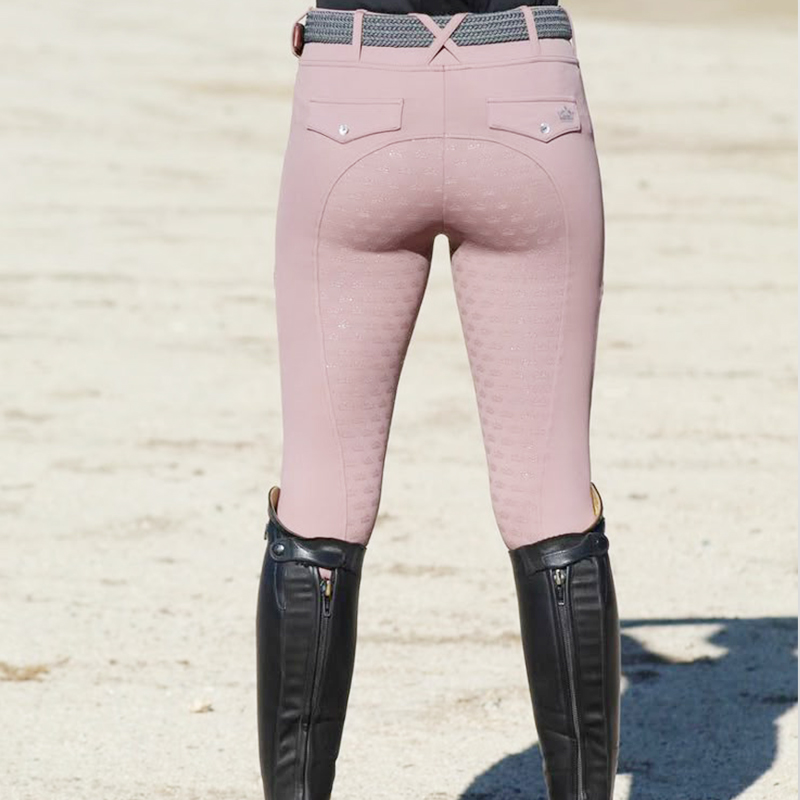
Start with materials that flex before they grip. A thin, four-way-stretch synthetic suede usually breaks in faster than a heavy rubberized panel, and a fine silicone dot print can add security without the hard crust that comes from a thick continuous coating. The backing is where most stiffness hides: look for a bonded knit or mesh carrier instead of a dense glue sheet, because the carrier lets the patch move with the knee instead of fighting it.
Placement is just as important as the material. The patch should follow the bend of the knee rather than sitting as a flat oval centered on the front of the leg. A slightly high, curved placement that wraps around the knee allows the fabric to shorten and lengthen without dragging. Keep the lower edge from creeping too far toward the shin and avoid deep inner-knee coverage, since those zones stretch more and can turn a rigid edge into a hot spot.
Finally, check how the edge is finished. Bonded or flatlock edges stay low-profile and flex with the leg, while thick overlock stitching can create a stiff rim that presses into the joint. Some well-designed patches use a center dart or a vertical seam so the knee can articulate cleanly without bunching behind the joint.
Fit Blocks Drawn from Real Riding Positions, Not Static Charts
Most fit systems still lean on measurements taken while a rider sits perfectly still, as if the body stops moving once the pedals start turning. That approach misses how weight shifts under load, how the pelvis rolls forward during a hard effort, and how the shoulders settle after an hour on the road. Here the fit blocks are built from video and pressure data captured during actual pedaling, so the final position reflects the way you really ride rather than a frozen posture on a chart.
Instead of forcing left and right sides into the same theoretical box, the process watches how each hip drops, how one knee tracks slightly wider, and where pressure builds under the sit bones. Those small asymmetries are allowed to shape the saddle height, bar reach, and cleat placement. The result is a setup that accommodates your movement instead of quietly fighting it after the first steep climb.
Riders tend to notice the difference in long-term comfort more than in a quick parking-lot spin. The position feels less like a showroom ideal and more like a natural extension of the way you already hold yourself on the bike. That means fewer constant tweaks, less pressure on the hands, and a fit that holds up when fatigue starts to rewrite your form.
Hardware and Closures That Survive Sweat, Dust, and Repeated Washes
Zip failure on work and training gear rarely starts mid-track. It happens at the slider or the fabric tape. Here the front zipper uses a polyurethane-coated coil with a locking slider, so the pull stays quiet and the teeth do not chew the surrounding facing. Sweat has not caused the coating to cloud or flake, and the taped seams around the placket keep moisture from wicking into the zipper tape during a wash.
The snaps and cord locks went through the same filter. Each snap has a backing disc, which spreads load across the fabric instead of letting the prongs tear through. The cord locks use sealed springs rather than exposed coils, so fine dust and grit do not make them seize. After months of use, the locking action still releases with one hand and the snaps do not pop open when the fit is under tension.
Hook-and-loop panels are cut short, rounded at the corners, and set away from mesh or brushed linings. That keeps the loop side from collecting lint, hair, and sand that would otherwise turn it slick. The edges are bar-tacked and the hook density is firm enough to hold, but not so aggressive that it shreds lighter layers in the same wash load.
Final Checks That Keep Sizing, Stitching, and Finish Consistent
Most inconsistencies show up in the last few minutes of assembly, so we slow down at the final table instead of rushing. A garment is measured against the approved spec, but we also compare it to the previous piece in the same batch. If a shoulder seam has drifted by a quarter inch or a hem is sitting slightly shorter on one side, that piece gets pulled before it reaches packing.
Stitching is checked under raking light and by hand-feel along high-stress points like armholes, waistbands, and pocket openings. Loose thread tails are trimmed, tension issues are corrected at the machine, and any waviness in topstitching is marked for rework. The goal is not just to catch defects but to find the source, whether it is a dull needle, uneven feed, or a pattern piece that has stretched.
Finish gets the same attention as fit. We look for puckering after pressing, mismatched trims, uneven dye lots, and hardware that feels sharp or flimsy. Since small variations multiply across a run, these checks happen in small batches rather than once at the end. That rhythm keeps sizing, stitch quality, and surface finish aligned from first piece to last.
FAQ
Premium versions typically rely on high-density cotton blends, technical microfibers, or four-way stretch fabrics that hold their shape through long hours in the saddle while still allowing the rider to move freely.
A well-designed cut follows the leg without excess bulk around the knee or seat, reduces friction against the saddle flap, and keeps the waistband stable when the rider sits deep or posts the trot.
Full-grip or knee patches made from silicone or suede create a dependable contact point, help prevent the leg from sliding, and slow down wear in the area that takes the most pressure.
A contoured waistband with a slightly higher back keeps the jodhpur from gaping, while secure closures and minimal front bulk reduce pinching under a belt or show coat.
Even, tight seams with bar tacks at stress points suggest the garment was built to handle friction and stretch; loose threads, wavy seams, or uneven topstitching are early signs of weak construction.
Most high-quality pairs hold up well with cold washing and air drying, but it is worth checking the manufacturer’s care tag because silicone grips and technical coatings can break down under high heat.
Consistent sizing, fabric inspection, and real-world fit testing help ensure that every batch meets the same standard instead of relying on one well-made sample.
For riders with proportions that fall outside standard size charts, custom or made-to-measure options can reduce pressure points and improve overall stability in the saddle.
Conclusion
Premium jodhpurs start with fabric choices that hold their shape through hours in the saddle and still release dirt after a hard rinse. Tightly twisted cotton blends with a small amount of stretch tend to resist bagging at the knee, while a brushed interior keeps the leg comfortable without adding bulk. The details riders feel early are not decorative: reinforced inseams, double-stitched crotch seams, and bar tacks at stress points show up as quiet confidence when sitting deep or posting. Knee patches are where that confidence either holds or fails. A well-cut suede or silicone patch should follow the bent knee rather than fight it, with edges that stay flat and a position slightly forward of where a standing leg sits on the ground. That placement comes from riding-position fit blocks, not from generic garment measurements, so the rise, thigh ease, and calf taper all reflect a leg that is actually wrapped around a horse.
Hardware becomes the most honest test of a manufacturer's standards. Zippers, snaps, and button shanks that are plated for corrosion resistance and set into reinforced plackets keep working after repeated exposure to sweat, arena dust, and machine washing. The best makers also run final inspections that catch what a spec sheet cannot: a quarter-inch drift in knee patch alignment, slight puckering along a flat-felled seam, or a waistband that measures true but distorts when the fabric relaxes. These checks keep sizing consistent from pair to pair, so a size 26 fits the same in March as it does in October. When those elements are handled without shortcuts, the result is not just a pair of riding pants but equipment that disappears into the ride, leaving the rider free to focus on the horse.
Contact Us
Contact Person: Keven Tong
Email: [email protected]
Tel/WhatsApp: +86 18666477707
Website: https://www.ope-technology.com