

Reliable Seaweed Fertilizer Supplier You Can Trust for Healthier Plants
2026-10-22
Every gardener knows that healthy soil is the foundation of thriving plants, but finding a fertilizer that truly delivers can feel like searching for a needle in a haystack. That's where MacroAlga comes in—a name that's becoming synonymous with dependable, ocean-derived nutrition for everything from backyard tomatoes to commercial crops. Whether you're tired of lackluster yields or simply want to give your garden a natural boost, this post will show you why choosing the right seaweed fertilizer supplier matters more than you think.
Where Our Seaweed Comes From and Why It Matters
Most of our seaweed is pulled by hand from small-batch sites along the North Atlantic coast, where tidal swings and cold currents keep the fronds firm and clean. Instead of relying on a single large farm, we work with a handful of harvesters who cut only mature blades and leave the holdfasts intact, letting each bed recover on its own schedule. That patchwork approach means the seaweed carries the signature of its home cove—sometimes brinier, sometimes more mineral-forward—rather than a uniform, factory-grown taste.
Why this matters comes down to timing and traceability. Seaweed absorbs whatever is in the water around it, so the harvest window is short: after a spring tide but before summer warmth, when the blades are dense with nutrients but not yet tough or faded. Each batch is dried within hours of coming ashore, which locks in flavor and keeps iodine levels honest. If a bed shows signs of stress or runoff, we skip it for the season instead of harvesting anyway.
The practical result is a supply chain that behaves less like a commodity pipeline and more like a seasonal kitchen garden. You get a product that shifts slightly from batch to batch, reflects real growing conditions, and supports coastal families who have been reading these waters for generations. That quiet variability is exactly what we want—because where seaweed comes from should be something you can taste, not just a label on a package.
The Quiet Signs of a Fertilizer You Can Rely On
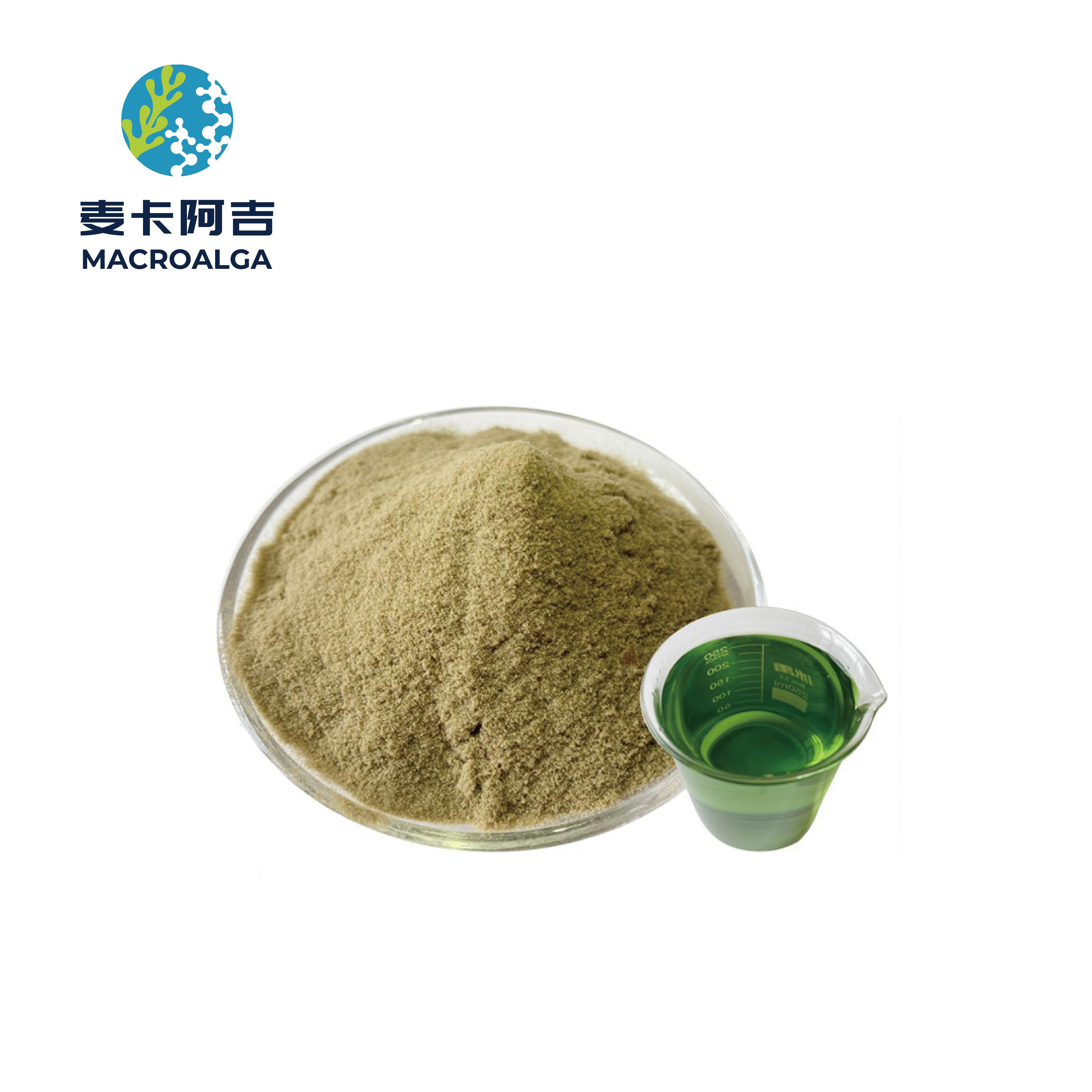
Reliability rarely announces itself with a loud label. It shows up in the way granules keep their shape in your hand, dry and even, instead of crumbling into dust before they reach the soil. There's a quiet steadiness to the pour—no clumps, no sticky residue on the spreader, just a clean flow that suggests each particle was made with care.
Another sign comes weeks later, not in a sudden burst of growth but in the even green of a lawn or the uniform size of fruit on a vine. Leaves don't yellow at the tips, and roots hold soil tighter after a rain. This doesn't happen by accident. It points to a nutrient release that matches the plant's slower rhythms rather than forcing a brief, fragile spurt.
You might also notice what you don't notice: the absence of a sharp ammonia sting, the lack of crust forming on the soil surface, and the fact that you're not reaching for the bag every ten days. A dependable fertilizer works in the background. Its proof is in the soil's darker, looser texture and the way plants seem to take care of themselves a little more each season.
How We Keep Every Batch From Drifting Off Spec
Batch consistency doesn't happen by accident. We've built a system of layered checks and operator-level ownership that catches drift before it ever reaches the line. Every raw material lot is quarantined until its certificate of analysis matches our internal spectrometer readings — if the numbers waver by even a tenth of a percent, that lot goes back. It's not about trust; it's about verification at every handoff.
Mid-production, we pull samples at intervals tied to the specific rheology of each blend, not a one-size-fits-all timer. Our floor team uses a visual viscosity benchmark plus inline density meters that feed readings straight to the shift log. Any trend toward the edge of the control band triggers an automatic pause and a quick root-cause huddle, not a pile of paperwork. The goal is to correct the process while the batch is still wet, not to document a failure after the fact.
Finally, every finished batch gets a retained-sample comparison against the gold standard batch from the original qualification run. We don't just test against the printed spec sheet — we test against what actually worked in the customer's process. That extra layer of historical matching is what keeps a repeat order indistinguishable from the one before it, down to the way it pours, cures, or cleans up.
What Healthy Plants Tell You About Their Nutrition
A plant with uniformly deep green leaves across both old and new growth is telling you its nitrogen supply is steady, not just adequate. Nitrogen moves to new tissue first, so if the lower leaves stay rich in color instead of fading yellow, the root zone likely has enough available nitrate or ammonium to support continuous protein and chlorophyll production.
Firm stems, crisp leaf edges, and balanced spacing between nodes often reflect a steady supply of potassium and calcium. Calcium, unlike most nutrients, travels only with water flow, so a plant that maintains strong tips and unblemished young leaves is managing its transpiration well and pulling dissolved minerals from soil without wild fluctuations. Potatoes and tomatoes are particularly honest about this, showing darkened leaf margins or blossom-end rot long before a soil test confirms the shortage.
Root health is harder to see, but the color and sheen of foliage can hint at phosphorus and micronutrient status. A subtle blue-green tint with a slight waxy finish often means phosphorus uptake is on track, while pale new growth with green veins can point to iron or manganese issues. Rather than reading one leaf, look at the whole plant's rhythm: new leaves emerging at a steady size, older leaves aging slowly, and no patchy discoloration. That consistency is the real signal that the soil food web is delivering what the plant actually needs.
Building Trust With Growers Who Notice the Difference
Trust doesn't come from a spec sheet. It builds when a grower walks a field and sees uniform emergence, deeper root set, or fruit that holds size through a heat spell. These are the details that get talked about at the co-op or across the fence line. When results repeat across different soil types and seasons, skepticism softens into confidence.
The growers who notice the difference are often the ones who keep detailed records. They track plant stand counts, leaf color shifts, and harvest timing. They compare strips or blocks, and they ask hard questions. Answering those questions with data from replicated trials—and admitting what a product won't do—does more for credibility than any polished pitch. Over time, that honesty becomes the reason they come back.
That kind of trust is earned slowly, but it travels fast. A quiet recommendation from a respected grower carries more weight than a dozen brochures. By focusing on observable, repeatable outcomes and treating every season as a chance to prove value again, you build relationships that survive a bad year and a volatile market.
From Rocky Shores to Root Zones Without the Guesswork
Moving from wave-battered shorelines to the hidden world beneath plant roots used to mean relying on hunches and luck. The salt, sand, and rock that shape coastal life leave behind clues, but translating those into what happens a few inches below soil demands more than a quick look. Direct readings of water movement, salt residue, and pore space remove the guesswork, showing where one zone ends and the next begins.
In rocky intertidal areas, organisms cling to surfaces where moisture and oxygen shift with each tide. A few meters inland, root hairs face a different rhythm—rain events, capillary rise, and evaporation all compete. Tracking these small changes with sensors or field tests reveals why a plant that thrives near a cliff edge can struggle in a raised bed. You stop guessing about drainage or salinity and start measuring the actual gradients.
The result is a smoother transition from coastal restoration projects to managed gardens and farms. Instead of treating soil as a black box, you read its signals the same way you would read tide pools—by watching the edges, the residues, and the slow movement of water. That attention turns a vague hunch into a repeatable plan, whether you are stabilizing a dune or filling a root zone with the right mix.
FAQ
We harvest our seaweed from clean, cold-water beds and process it gently to keep the natural growth hormones and trace minerals intact. The result is a fertilizer that strengthens root systems and improves soil structure without the harsh salt buildup often found in synthetic options.
Reliability here comes down to third-party testing and full transparency. Every batch is checked for heavy metals and contaminants, and the results are available to customers. We also offer consistent delivery schedules and responsive support if anything goes sideways.
It works well for both. For indoor plants, just dilute it more than you would for outdoor beds, and apply every two to three weeks. The nutrients are gentle enough not to burn leaves or roots.
No, it has a mild, earthy scent that fades quickly. Unlike fish emulsions, ours is processed to reduce volatile compounds, so it won't overpower a closed space.
Yes, the product meets organic certification standards in the US and EU. We avoid synthetic additives and use only mechanical extraction methods, which keeps the final fertilizer clean enough for certified organic farms.
Most growers notice improved leaf color and thicker stems within two to three weeks. Root development takes a bit longer, usually visible when transplanting after four to six weeks of regular use.
It can be used in hydroponics, but you'll want to filter it first to remove any fine particles that might clog pumps. Start with half the recommended soil dose and monitor pH, as seaweed can slightly lower it.
Unopened bottles last two years when stored in a cool, dark place. After opening, try to use it within six months. If you notice a sour smell or unusual separation, it's time to replace it.
Conclusion
Sourcing seaweed from cold, clean Atlantic waters isn't a marketing line—it's the first real checkpoint for a fertilizer that won't let your plants down. The difference shows up in small, quiet ways: consistent moisture retention, steady release of trace minerals, and a root zone that doesn't swing wildly between feast and famine. A trustworthy supplier keeps every batch in line by testing raw material at harvest, drying it slowly to preserve natural cytokinins and alginates, and rejecting anything that drifts even slightly off spec. That kind of discipline means the bag you open in March behaves like the one you opened last September.
Healthy plants don't keep secrets. Deep green leaves, thicker cell walls, and stronger resistance to transplant shock all point back to balanced nutrition—not a quick chemical spike. Growers who switch to a carefully sourced seaweed fertilizer often notice the difference by the second or third application, and that's where trust gets built: not from a spec sheet, but from watching tomatoes set fruit earlier or turf recover faster after stress. From rocky shorelines to root zones, there's no guesswork left. Just harvest-timed seaweed, processed with restraint, delivered with the kind of quiet consistency that lets your plants do the talking.
Contact Us
Contact Person: Kevin ZHANG
Email: [email protected]
Tel/WhatsApp: 8613505438449
Website: https://www.macroalga.com/