

Reliable Protein Hydrolysate Supplier for Your Nutritional Formulations
2026-10-13
Every formulator knows the frustration: you find a protein hydrolysate that tests well, then the next batch behaves completely differently. MacroAlga was built to end that cycle for nutritional formulations. Let's break down what truly makes a hydrolysate supplier reliable.
What Actually Matters in Protein Hydrolysate Quality
Protein hydrolysate quality is rarely about a single number on a spec sheet. The real signal lies in the peptide profile—specifically the distribution of short-chain peptides between roughly 200 and 1000 daltons, which tend to be absorbed more efficiently and carry less bitterness than intact proteins or large fragments. A product with the same degree of hydrolysis can behave very differently depending on enzyme choice, substrate pretreatment, and reaction time; those variables shape which bonds get cut and what functional peptides survive.
Equally telling is how the hydrolysate performs under real conditions: solubility across pH and temperature, clarity after heat treatment, and stability during storage. Low free amino acid content with a high proportion of di- and tripeptides often points to cleaner processing and better sensory outcomes. Batch-to-batch consistency, backed by actual chromatographic data rather than marketing claims, separates a reliable ingredient from one that merely meets a label claim.
How We Keep Hydrolysate Batches Consistent
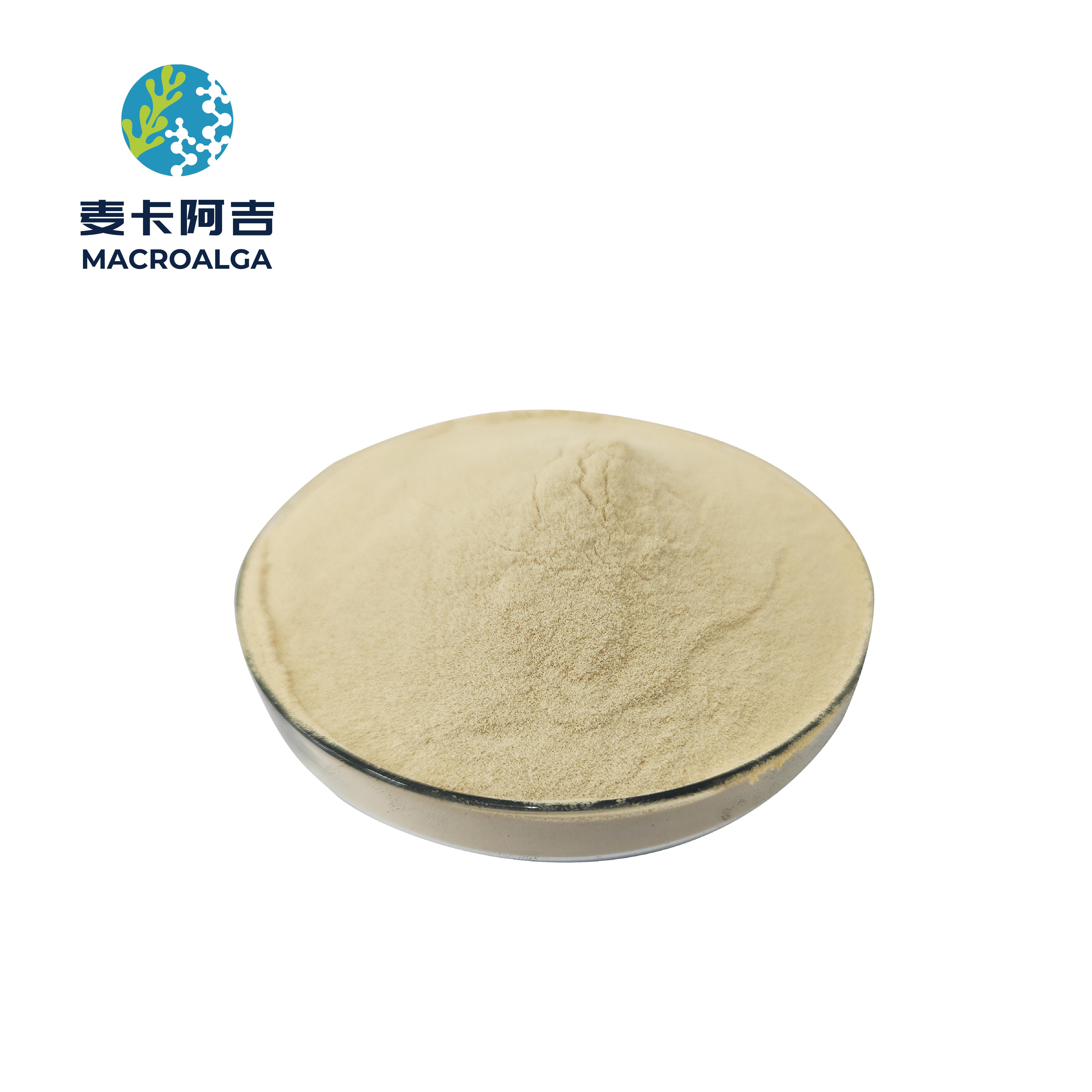
A consistent hydrolysate starts long before the reactor is turned on. We pull raw material from a short list of approved suppliers, and every incoming lot is tested for protein content, moisture, ash, and microbial load. If a shipment falls outside our narrow acceptance window, it gets rejected on the spot. That first filter eliminates the biggest source of batch-to-batch drift.
Inside the production suite, the hydrolysis conditions are locked down. Temperature, pH, enzyme-to-substrate ratio, and incubation time are all governed by written batch records that operators follow step by step. The reactors log data continuously, so any deviation is caught while the batch is still running—not after it has been dried and shipped.
Before release, each batch is measured against a reference standard using HPLC and degree-of-hydrolysis testing. Molecular weight distribution and nitrogen solubility are checked as well. If a batch lands outside the target range, it is either reworked or blended with another lot to bring it back into spec. That last step adds time, but it is what keeps the product functionally identical from one order to the next.
Matching Hydrolysis Profiles to Nutritional Goals
Hydrolysis profiles describe how extensively proteins have been broken down into peptides and free amino acids, and this directly shapes their functional role in nutrition. A mild hydrolysis might leave larger peptide chains intact, which slows gastric emptying and supports sustained amino acid delivery—useful for general wellness or overnight recovery. In contrast, extensive hydrolysis produces short peptides and free amino acids that are absorbed rapidly, making them ideal for post-workout formulas or clinical settings where digestive capacity is compromised.
The degree of hydrolysis also influences antigenicity. For infants with cow's milk protein allergy or adults with sensitive guts, extensively hydrolyzed proteins reduce the likelihood of an immune response because the epitopes responsible for triggering reactions are cleaved into smaller, less recognizable fragments. This isn't just about safety; it's about matching the protein source to the body's ability to tolerate and utilize it without unnecessary inflammation.
Beyond digestion speed and allergenicity, hydrolysis profiles interact with taste and solubility. Highly hydrolyzed proteins often carry a bitter note from exposed hydrophobic amino acids, which can limit their use in ready-to-drink beverages unless masked. Formulators must balance the nutritional goal—whether that's rapid recovery, hypoallergenic support, or general satiety—with the practical realities of sensory quality and shelf stability.
Raw Material Traceability Without Guesswork
Most traceability efforts still depend on someone digging through old delivery notes or trying to remember which supplier sent that specific pallet of resin. Raw Material Traceability Without Guesswork removes that dependence entirely. Scan a barcode, enter a batch number, or tap a purchase order and the full chain of custody appears: supplier name, lot code, incoming inspection results, storage location, and the exact time it entered production.
Instead of trusting spreadsheets that get updated days later, the system ties every raw material movement to a single, unbroken record. If a batch gets split or reworked, you see the split and where each portion ended up. There is no hunting for paperwork or asking the warehouse team what arrived on Tuesday. The answer is already linked to the material itself, so any audit or recall question is answered by opening the record rather than guessing.
Solving Solubility and Off-Taste Issues Early
Waiting until the final formulation stage to tackle poor solubility or unwanted flavors nearly always forces compromises. By then, reformulation windows are tight, and the easiest fixes often involve adding masking agents or solubility enhancers that can introduce their own texture or stability problems. Addressing these issues during early ingredient screening, when candidate compounds or blends are still flexible, gives you room to explore structural tweaks or alternative delivery approaches without derailing the project timeline.
A practical early-stage workflow starts with pairing solubility screens against sensory panels using small, representative matrices. Instead of relying solely on theoretical partition coefficients, run quick dissolution tests in the actual base—whether it's a beverage, a dairy analog, or a lipid carrier—and have a trained panel flag any bitterness, metallic notes, or lingering aftertaste at the same time. This tandem approach reveals correlations between solubility mechanisms and off-taste triggers, so you can focus on the few promising candidates rather than chasing every lead.
Catching these problems before they become locked into a prototype means you can adjust the API form, tweak particle size, or choose a different emulsifier early, when each change costs days instead of months. Products that emerge from this process tend to have cleaner labels, better mouthfeel, and fewer surprises during scale-up. More importantly, teams that make solubility and taste screening a front-loaded habit spend far less time firefighting in late-stage development—and deliver formulations that actually taste the way they were imagined.
Moving from Pilot Runs to Full Production Smoothly
The shift from pilot runs to full-scale output rarely fails because of one big issue; it fails through a pile of small mismatches. Tooling that worked fine at low volumes starts to drift once cycle times shorten, and raw material lots that passed initial inspection behave differently when supplier batches arrive on a tighter schedule. Before committing to full production, map every step where manual intervention was used during pilots—those are the places that will strain first. Replace ad hoc adjustments with documented settings, and make sure the team that ran the pilots shares its tacit knowledge with the operators who will inherit the line.
Another factor is that pilot runs often hide capacity constraints because there is always extra time to correct errors. Full production removes that cushion. Track actual throughput over several consecutive shifts, not just peak output, and watch for bottlenecks that only appear after hour three. If quality checks slow the line at higher volumes, move them upstream or add inline testing rather than waiting until the end. The goal is not to eliminate every problem before scaling up, but to create a process stable enough that problems can be solved without stopping the entire line.
FAQ
We supply dairy-based options like whey and casein hydrolysates, plus plant-based ones such as soy, pea, and rice hydrolysates. The degree of hydrolysis can be adjusted from mild to extensive, depending on the target molecular weight and solubility profile.
Every production lot is tested for hydrolysis degree, molecular weight distribution, free amino acid content, and microbial load. We use controlled enzymatic processes and keep retention samples for at least three years, so you can trace any batch if a question comes up.
Yes. Bitterness usually comes from hydrophobic peptides, so we can fine-tune the enzyme blend, hydrolysis time, and membrane filtration step to reduce those peptides. We typically run small pilot batches before scaling up, and we can work with your flavor house to get the taste right.
You'll receive a certificate of analysis, allergen statement, nutritional data sheet, and safety data sheet as standard. If you need extra documents like GMO status, BSE/TSE statement, or a certificate of origin, we can provide those on request.
We hold safety stock for our standard hydrolysates in two regional warehouses, and lead times are usually 2-3 weeks for repeat orders. For custom grades, we agree on a forecast and reserve production capacity so your launch doesn't get delayed.
Absolutely. We can send 500 g to 1 kg samples of our standard or pilot-scale custom hydrolysates. You just cover the shipping. Our application scientists can also suggest starting usage levels and pH/temperature handling tips.
We have specific grades designed for clinical and pediatric nutrition, with tighter limits on heavy metals, microbiology, and residual solvents. These are produced in dedicated lines under strict hygiene controls, and we can provide the necessary regulatory support documents for your market.
Conclusion
Finding a protein hydrolysate supplier who actually understands formulation pressure means looking past glossy spec sheets. In our experience, the real difference shows up in how a supplier handles hydrolysis degree control, batch-to-batch enzyme activity, and the molecular weight distribution that drives absorption behavior. We weigh each of these not as abstract quality metrics but as levers that directly affect your final product's texture, clarity, and nutritional claim support. Raw material traceability is treated as a prerequisite, not a feature; every lot can be mapped back to a documented source and processing history, so you never inherit someone else's guesswork.
Equally important is the ability to move from a promising pilot sample to full-scale production without surprises. We focus on early solubility screening and off-taste reduction steps that are often ignored until it is too late, and we keep manufacturing parameters locked to a narrow operating window so your formulation does not drift over time. Whether you are optimizing an elderly nutrition formula, a sports recovery product, or a specialized clinical blend, the goal is the same: a hydrolyzed protein that behaves predictably, tastes acceptable, and lets you scale with confidence.
Contact Us
Contact Person: Kevin ZHANG
Email: [email protected]
Tel/WhatsApp: 8613505438449
Website: https://www.macroalga.com/