

Powerful Sewer Cleaning Machines: Your Ultimate Sourcing Guide
2026-04-11
Navigating the world of sewer cleaning equipment can be overwhelming, but with AMJET, you’re on the right track. Whether tackling blockages or maintaining complex systems, the right machinery makes all the difference. In this guide, we dive into powerful sewer cleaning machines, exploring their features, applications, and how they boost efficiency. Ready to upgrade your operations? Let’s uncover the tools that keep things flowing smoothly—starting with insights from AMJET.
Introduction to Sewer Cleaning Machines
When dealing with clogged or inefficient sewer lines, specialized machines play a crucial role in restoring functionality quickly and safely. These devices are designed to handle various types of blockages, from grease buildup to tree root invasions, using methods like high-pressure water jetting or mechanical cutting. By employing advanced technology, such as cameras for inspection and automated controls, they minimize manual labor and reduce the risk of damage to existing pipes, making them indispensable tools for municipal and commercial maintenance teams.
Modern sewer cleaning machines come in a range of sizes and configurations to suit different applications, from compact units for residential use to heavy-duty models for industrial settings. Features may include adjustable pressure settings, durable hoses, and eco-friendly water recycling systems, all aimed at enhancing efficiency and compliance with environmental regulations. Their versatility allows operators to tackle everything from minor backups in homes to large-scale infrastructure projects, ensuring reliable performance across diverse scenarios without compromising on safety or effectiveness.
To maximize the benefits of these machines, proper training and maintenance are essential. Operators should be skilled in interpreting inspection footage and adjusting techniques based on pipe material and blockage type, while regular upkeep, such as cleaning nozzles and checking hydraulic systems, prolongs equipment life. By investing in quality sewer cleaning technology and best practices, organizations can achieve faster response times, lower long-term costs, and improved public health outcomes through consistently clear and functional sewer systems.
Key Features to Look for in Equipment
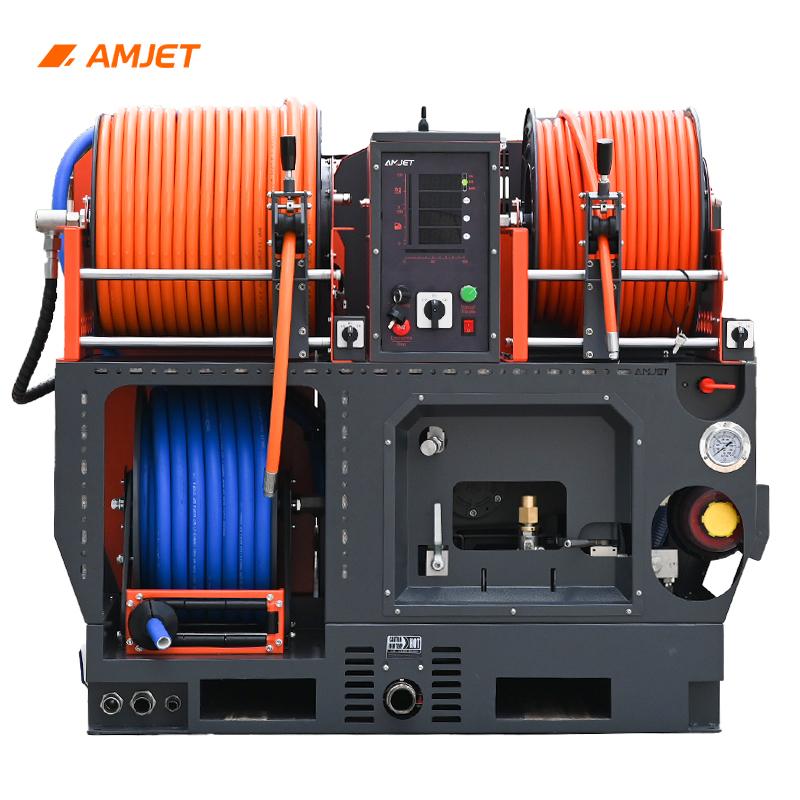
When selecting equipment, it's crucial to prioritize features that align with your specific needs and operational goals. This might include durability for heavy-use environments, ergonomic design to prevent user fatigue, and compatibility with existing systems to ensure a seamless integration. By focusing on these core aspects, you can avoid costly mismatches and enhance overall efficiency.
Beyond the basics, consider innovative features that set certain equipment apart, such as smart sensors for real-time monitoring, modular components for easy upgrades, and energy-efficient technologies that reduce long-term costs. These elements not only improve performance but also offer flexibility to adapt to changing demands, making them valuable investments in dynamic settings.
To make a well-informed decision, compare features across different models by reading user reviews, testing samples, and consulting with industry experts. This hands-on approach helps you evaluate how each feature performs in real-world scenarios, ensuring you choose equipment that delivers on its promises and supports your objectives effectively.
Types of Machines and Their Applications
Machines come in a vast array of forms, each engineered to tackle specific tasks in our daily lives and industries. From the humble lever to complex robotics, their applications span across fields like manufacturing, transportation, and healthcare. For instance, simple machines such as pulleys and screws are fundamental in construction, enabling workers to lift heavy loads with minimal effort. Meanwhile, in the medical realm, imaging machines like MRI scanners provide non-invasive insights into the human body, revolutionizing diagnostics and treatment plans.
Beyond these familiar types, advanced machines like CNC (Computer Numerical Control) devices have transformed modern production lines, allowing for precise, automated fabrication of parts with minimal human intervention. In agriculture, combines and tractors streamline harvesting and planting processes, boosting efficiency and sustaining food supplies. These applications highlight how machines not only enhance productivity but also adapt to evolving needs, from traditional hand tools to smart systems integrated with IoT technology.
Looking forward, the integration of AI and machine learning is pushing boundaries, with autonomous vehicles and collaborative robots (cobots) redefining mobility and workplace safety. Such innovations showcase machines' role in driving progress, making tasks safer, faster, and more reliable across diverse sectors, from entertainment with VR setups to environmental monitoring using drones.
Maintenance Tips for Longevity
To ensure your equipment stays reliable for years, start with the basics: keep it clean and dry. Regular dusting prevents overheating and corrosion, while proper storage in a controlled environment reduces wear. It sounds simple, but these habits form the foundation of lasting performance, much like how a well-maintained car runs smoother.
Another key aspect is using the right tools and parts for any adjustments or replacements. Generic components might fit temporarily, but they often don't match the original specs, leading to faster degradation. Think of it as feeding a high-quality diet to a pet—what you put in directly affects health and longevity, making it worth the extra effort to source compatible items.
Lastly, don't ignore subtle signs of wear; listen for odd noises or check for slight changes in performance. Addressing issues early, before they escalate, can save you from major repairs down the line. It's akin to catching a small leak before it floods a room—proactive care keeps everything running smoothly and extends its usable life significantly.
Sourcing Strategies and Supplier Selection
Navigating the complex landscape of sourcing requires more than just ticking items off a checklist; it demands a nuanced strategy that aligns with your business's core objectives. Instead of merely hunting for the lowest price, savvy companies are increasingly looking at total cost of ownership, which factors in quality, logistics, and long-term reliability. This shift in perspective means that sourcing isn't just about cutting costs—it's about building a resilient supply chain that can adapt to market fluctuations and unexpected disruptions.
When it comes to selecting suppliers, many firms are moving beyond traditional methods like RFPs and diving into deeper assessments. They're not just evaluating a supplier's technical capabilities or financial stability; they're scrutinizing cultural fit, ethical practices, and innovation potential. Imagine partnering with a supplier who not only meets your specifications but also shares your commitment to sustainability, helping you meet evolving customer expectations. This approach ensures that the relationships forged are more than transactional—they become strategic alliances that drive mutual growth.
Moreover, the rise of digital tools has transformed supplier selection into a dynamic process. Leveraging data analytics and AI, businesses can now conduct real-time evaluations of supplier performance, predict risks, and identify opportunities for optimization. This isn't about replacing human judgment but empowering decision-makers with insights that were previously out of reach. By embracing these advancements, companies can foster a more agile and responsive supply network, turning sourcing from a routine task into a competitive advantage.
Cost Considerations and Budget Planning
When embarking on any project, a clear understanding of costs and a well-thought-out budget are vital for success. Start by identifying all potential expenses, from initial investments and ongoing operational costs to unexpected contingencies. It's wise to break these down into detailed categories, such as materials, labor, technology, and marketing. By doing so, you can prioritize spending and allocate resources more effectively, ensuring that funds are used where they'll have the greatest impact without overspending.
Budget planning goes beyond just listing numbers; it involves setting realistic financial goals and timelines. Consider using tools like spreadsheets or specialized software to track expenses in real-time and adjust as needed. Regular reviews of your budget against actual spending can highlight areas for savings or reveal where adjustments are required. This proactive approach helps prevent financial overruns and keeps the project on track, fostering a sense of control and confidence throughout its duration.
Ultimately, effective cost management and budget planning are about balancing ambition with practicality. They enable you to make informed decisions, negotiate better with suppliers, and ensure long-term sustainability. By embedding these practices early on, you not only mitigate risks but also create a solid foundation for future growth, turning financial foresight into a competitive advantage.
FAQ
Sewer cleaning machines come in various forms, such as high-pressure water jetters, rodding machines, and drain snakes, each designed for specific blockages and pipe sizes. For instance, water jetters use pressurized water to blast away debris, while rodding machines mechanically clear obstructions with flexible rods.
Selecting the right machine depends on factors like the pipe material, diameter, and the nature of the clog. For heavy-duty industrial applications, a robust high-pressure jetter might be best, whereas smaller residential issues often require a compact drain snake or electric rodder for precision.
Always wear protective gear like gloves, goggles, and waterproof clothing. Ensure the area is well-ventilated, and follow manufacturer guidelines to prevent injuries from high-pressure water or rotating parts. Regular training on equipment handling can also reduce risks.
Yes, some machines use biodegradable cleaning solutions or recycled water systems to minimize environmental impact. Additionally, electric-powered models reduce noise and emissions compared to gas-powered ones, making them a greener choice for urban settings.
Regular maintenance includes cleaning nozzles and hoses after use, checking for wear on parts like seals and belts, and storing equipment in a dry, cool place. Scheduling periodic inspections by a professional can help catch issues early and keep machines running efficiently.
Look for durable construction, adjustable pressure settings, versatile nozzle attachments, and user-friendly controls. Machines with safety locks, easy maneuverability, and reliable customer support often provide better performance and value over time.
Many models are versatile enough for both, but it's important to match the machine's capacity to the job. Residential units may lack the power for large commercial pipes, so opting for a scalable or multi-purpose machine can be a cost-effective solution for varied tasks.
You can source from specialized industrial equipment dealers, online marketplaces with verified sellers, or direct manufacturers. Checking reviews, requesting demos, and comparing warranties can help ensure you get a trustworthy supplier that meets your needs.
Conclusion
In the realm of sewer management, powerful cleaning machines are indispensable tools for maintaining efficient and sanitary systems. This comprehensive sourcing guide delves into the essentials, starting with an introduction to these robust machines, which are designed to tackle tough blockages and debris in pipelines. The guide emphasizes key features to look for in equipment, such as durable construction, high-pressure capabilities, and versatility across various pipe sizes. It explores the different types of machines and their specific applications, from jetting units for grease removal to vacuum trucks for solid waste extraction, ensuring users can match the right technology to their unique needs.
Beyond selection, the guide highlights practical aspects for long-term success. Maintenance tips for longevity cover routine checks, proper storage, and operator training to prevent breakdowns and extend equipment life. Sourcing strategies and supplier selection focus on identifying reputable manufacturers, evaluating warranties, and considering local support for prompt service. Cost considerations and budget planning address upfront investments versus operational expenses, helping businesses balance quality with affordability. By integrating these elements, this guide offers a strategic roadmap for procuring effective sewer cleaning solutions that enhance operational efficiency and reliability.
Contact Us
Contact Person: Mike
Email: [email protected]
Tel/WhatsApp: +86 19545555505
Website: https://www.amjeting.com/