

Plastic Shredder Manufacturing Concerns: Overcoming Quality, Safety, and Efficiency Challenges
2026-05-06
In the world of plastic recycling, the shredder is the workhorse that sets the tone for everything downstream. But behind the scenes, manufacturers grapple with a trio of persistent headaches: maintaining blade quality under punishing loads, ensuring operator safety without slowing throughput, and chasing energy efficiency while meeting ever-growing demand. These aren't just technical checkboxes—they're the difference between a line that hums and one that hemorrhages time and money. At Shengzhong Shredder, we've seen firsthand how ignoring these interconnected challenges can cripple a plant, and how smart engineering turns them into competitive advantages. In this post, we dig into the root causes and real-world fixes that separate reliable shredding from constant firefighting.
Rethinking Material Toughness for Longer Blade Life
For decades, blade design fixated on hardness as the primary lever for wear resistance—push the Rockwell number higher, and edge retention should follow. The reality in the field rarely matches the lab. Harder blades resist deformation from abrasive media, but they also become brittle, and the microscopic chips that result from everyday impacts accelerate dulling far faster than gradual abrasion ever would. Rethinking toughness means accepting that an edge is a dynamic structure, constantly flexing and rebounding, and that a material's ability to absorb and redistribute shock without fracturing is just as critical as its surface hardness.
The shift isn't about simply choosing tougher steels at the expense of hardness. It’s about engineering microstructures where hard carbide phases are supported by a ductile matrix that can yield slightly under load without cracking. New powder metallurgy routes and heat-treatment paths allow for a more refined dispersion of carbides, so you get the wear resistance of those hard particles without the brittle networking that leads to catastrophic edge failure. This isn't a compromise—it's a different hierarchy of properties, where toughness becomes the backbone that lets hardness do its job over a longer lifespan.
Users see the difference in maintenance intervals and failure modes. A blade with balanced toughness doesn’t suddenly fold or chip out; it wears slowly and predictably. In applications from industrial slicing to outdoor tools, that means less downtime for sharpening and a lower chance of catastrophic breakage. The blades feel different, too—they maintain a working edge through a wider range of conditions, absorbing the occasional nail or knot without turning the edge into a ragged mess. Ultimately, longer blade life comes not from chasing a single number, but from understanding how toughness protects the edge in the real, messy world where cuts rarely happen on a clean, controlled substrate.
Building Safer Shredders Without Sacrificing Speed
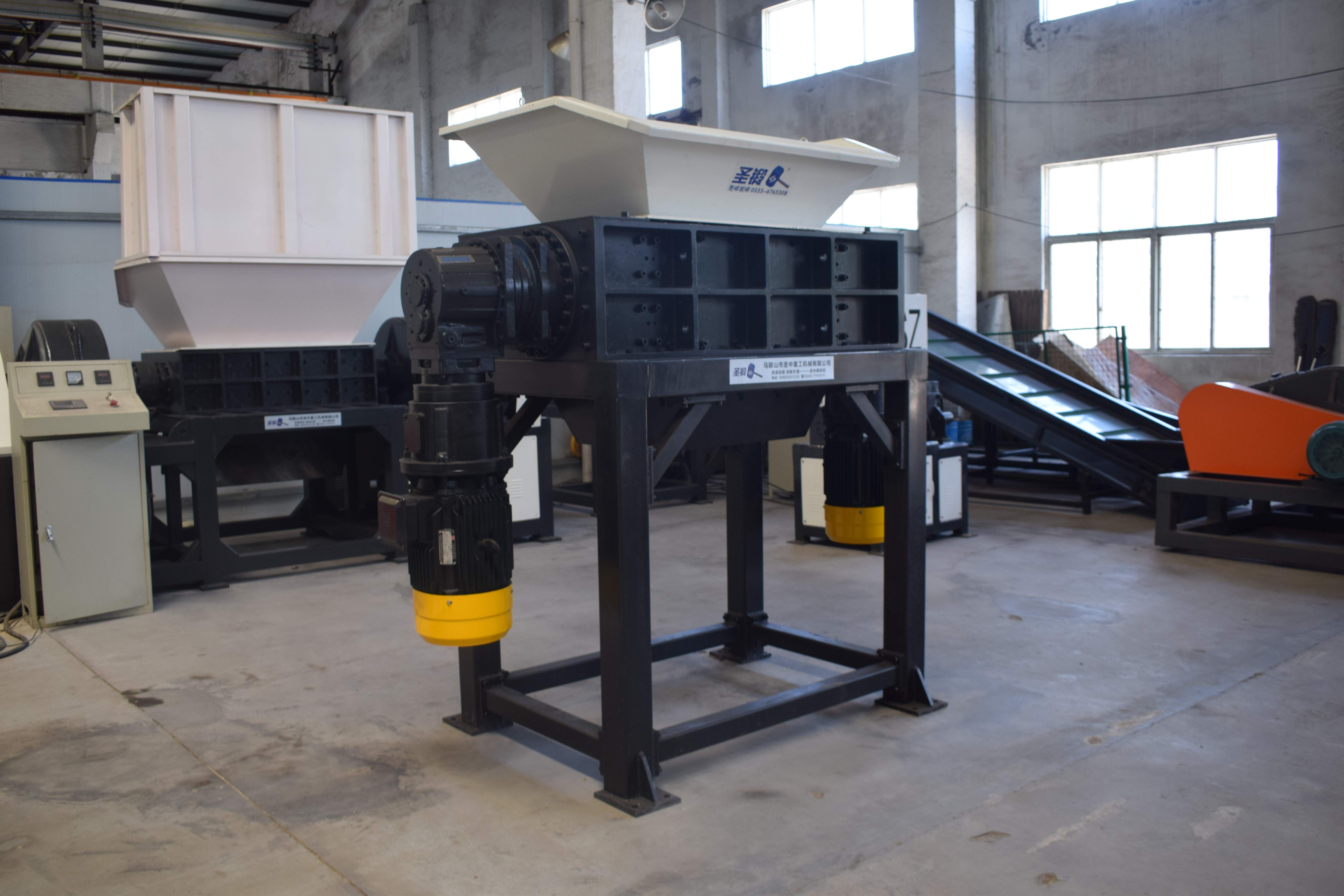
Modern shredder designs are proving that safety and speed don't have to be at odds. By integrating smarter sensor arrays that can distinguish between paper and skin in milliseconds, manufacturers are building machines that stop instantly on contact while still devouring stacks of documents at full pace. These sensors, combined with narrower feed slots and passive safety flaps, create a barrier without forcing the user to slow down. The result is a device that feels effortless to use but reacts faster than human reflexes when it matters.
Another breakthrough lies in the mechanical side of things. Advanced gear systems and blade geometries now allow high-torque, high-speed cutting without the heat buildup that used to cause jams and hazards. Some models employ cooled cutting cylinders that maintain peak efficiency for longer sessions, so you can shred a whole box of old files without pause or performance drop. This robustness means fewer interruptions and less temptation to bypass safety features when meeting a deadline.
Ease of use also plays a big role in keeping things safe. When safety features are intuitive—like auto-feed mechanisms that only accept paper of a reasonable thickness, or simple one-touch reverse functions—users are less likely to override them. A well-designed shredder guides behavior without feeling restrictive, proving that you can have fast, thorough shredding without sacrificing peace of mind. By tackling safety from both electronic and mechanical perspectives, today's innovations deliver on both fronts with clean, confident execution.
The Hidden Cost of Energy Waste in Shredding
Energy waste in shredding operations often goes unnoticed because it doesn’t appear as a direct line item on utility bills. Inefficient shredders consume far more power than necessary, especially when they are left running idle between batches or are operating with dull blades that force motors to work harder. This constant overconsumption accumulates into significant hidden costs over months and years, silently eroding operational budgets without drawing immediate attention.
Beyond the immediate spike in electricity usage, inefficient shredding equipment generates excess heat and vibration, which accelerates wear on mechanical components. Bearings, belts, and motor windings degrade faster under these conditions, leading to more frequent repairs and unplanned downtime. Maintenance teams end up spending more time on reactive fixes rather than proactive improvements, diverting labor resources that could be used elsewhere. The cascading effect of energy waste thus extends well beyond the power meter, inflating total operating expenses in ways that are rarely tracked.
Facilities that overlook these subtle drains also miss out on opportunities for smarter resource management. Adjusting feed rates, implementing automatic standby modes, and routinely sharpening cutting mechanisms can slash power draw dramatically. When energy waste is reduced, the shredder’s lifespan lengthens, and the overall reliability of the material processing line improves. The real cost of ignoring these inefficiencies isn’t just a higher utility bill — it’s a gradual loss of competitiveness through higher overheads and reduced equipment availability.
Smarter Machines: Embedding Real-Time Performance Tracking
Gone are the days when industrial equipment operated blindly until a breakdown forced a halt. By weaving real-time performance tracking directly into machine operations, factories now gain a continuous pulse on every movement, load, and thermal shift. This isn't about logging data for later review—it's an active nervous system that catches subtle deviations before they cascade into serious faults, letting a milling spindle or conveyor motor essentially self-monitor and alert teams while there's still room to adjust.
The beauty of embedded tracking lies in its seamless integration. Sensors and lightweight processing units sit directly on moving parts, measuring vibration patterns, electrical signatures, and physical stress without disrupting the workflow. A robotic arm, for instance, might detect a slight increase in resistance during repetitive motions and flag a dry bearing long before it seizes. This immediacy transforms maintenance from a calendar-driven chore into a precise, on-demand intervention, slashing downtime and extending equipment life in ways that feel almost intuitive.
What sets modern systems apart is their ability to learn and adapt without human hand-holding. Instead of reacting to fixed thresholds, these machines build dynamic models of their own healthy behavior, recognizing that tomorrow's normal might differ from today's due to temperature shifts or material variations. When a compressor starts drawing 2% more current over a week, the embedded logic doesn't panic—it weighs context, perhaps linking the change to a known seasonal trend, and only escalates when a genuine anomaly emerges. This thoughtful autonomy keeps false alarms low and trust high.
Quiet Innovation: Noise Reduction as a Competitive Edge
In product design, the subtle art of minimizing unwanted sound often separates market leaders from the rest. When a device operates without intrusive hums or clicks, users perceive it as more refined and reliable. This perception extends beyond mere comfort—it shapes brand loyalty in ways louder competitors struggle to understand.
Engineers are now treating acoustic profiles as core performance metrics rather than afterthoughts. From kitchen blenders that hum gently to HVAC systems that whisper, the shift toward quieter operation demands rethinking materials, motor design, and airflow. Companies that invest in these details gain a tangible advantage, as consumers increasingly equate low noise with premium quality.
The payoff isn't just in consumer goods. In workplaces, reduced ambient noise boosts focus and well-being, directly linking acoustic design to productivity. By integrating sound-dampening innovations, businesses create environments that attract talent and keep customers returning. This quiet revolution redefines what it means to outperform.
Tailored Grinding: Matching Shredders to Unique Waste Streams
Every waste stream carries its own set of challenges—thick plastics, fibrous materials, or abrasive scraps can quickly expose the limitations of a one-size-fits-all shredder. The key lies in understanding how material characteristics dictate every aspect of the grinding process. From rotor geometry to cutting chamber design, subtle adjustments make the difference between a machine that struggles and one that thrives on your specific feedstock.
We think about shredding as a conversation between the material and the machinery. A high-volume, lightweight film requires an entirely different approach than dense, brittle chunks. The right match isn't just about horsepower; it's about feeding dynamics, screen sizing, and even the rotational speed that encourages clean cuts instead of melting or wrapping. When these elements align, you get a system that runs cooler, produces uniform particles, and keeps downtime to a minimum.
Experimentation often reveals surprising efficiencies. For example, treating high-moisture organic waste demands anti-corrosion measures and self-cleaning hooks, while textile remnants benefit from low-friction coatings that prevent binding. By tailoring the grinding configuration to the actual waste profile, you're not just buying a machine—you're building a reliable pathway to material recovery that pays off in reduced wear and higher throughput.
FAQ
Blade dulling and misalignment often lead to inconsistent particle size and increased downtime. Using hardened alloy steels and implementing precise CNC machining during fabrication can significantly reduce these flaws.
Integrating emergency stop systems, automatic reverse functions to clear jams, and enclosed hoppers prevents direct contact. Regular safety audits and compliance with ISO 13849 standards further mitigate risks.
High power draw inflates operational costs. Variable frequency drives and optimized rotor geometries reduce energy use without sacrificing throughput, while smart sensors adjust motor speeds based on load.
Blades and cutting chambers exposed to abrasive plastics require wear-resistant materials like D2 tool steel or tungsten carbide coatings. This extends service life and maintains cutting efficiency under heavy use.
Optimizing feed rates and installing pressure sensors prevents overloading. Regular maintenance schedules and real-time monitoring of bearing temperatures help catch early signs of strain.
Look for CE marking in Europe, UL listing in North America, and adherence to regional directives like the EU Machinery Directive. These confirm rigorous testing for electrical and mechanical hazards.
Modular designs with quick-change blades and self-cleaning screens cut downtime. Predictive maintenance systems using vibration analysis alert operators before failures occur.
Conclusion
In the evolving landscape of plastic recycling, shredder manufacturers are rethinking every aspect of machine design to address persistent quality, safety, and efficiency bottlenecks. One crucial pivot is in metallurgy—moving beyond conventional blade materials to advanced alloys and heat-treatment processes that dramatically extend service life, even with highly abrasive feedstocks. This material toughness focus is paired with tailored grinding chamber geometries that adapt to specific waste streams, from film to rigid containers, ensuring consistent particle size without excessive wear. Embedding real-time performance tracking takes quality control further: sensors monitoring vibration, temperature, and throughput enable predictive maintenance and instant adjustments, slashing unplanned downtime and scrap rates.
Safety and operational efficiency are no longer a trade-off. Enclosed cutting chambers with interlocked doors and intelligent speed controls allow rapid processing while keeping operators protected from flying debris and noise hazards. In fact, sound-dampening engineering has become a market differentiator, with new rotor designs and insulation cutting decibel levels to meet stringent workplace regulations—a quiet innovation that improves worker comfort and community relations. Underpinning these gains is a critical look at energy consumption: optimizing drive systems and reducing idle power drain directly lower the hidden cost of energy waste, making modern shredders not only faster and safer but significantly more sustainable to run.
Contact Us
Contact Person: Leon
Email: [email protected]
Tel/WhatsApp: 8615385558866
Website: https://www.shred-waste.com