

NXDN Radio Factory: How Digital Radios Are Built for Reliable Communication
2026-08-23
In critical moments, a radio's clarity can make all the difference. Step inside lisheng’s NXDN radio factory, where engineering rigor and rugged design converge to build digital radios that deliver dependable communication when every second counts.
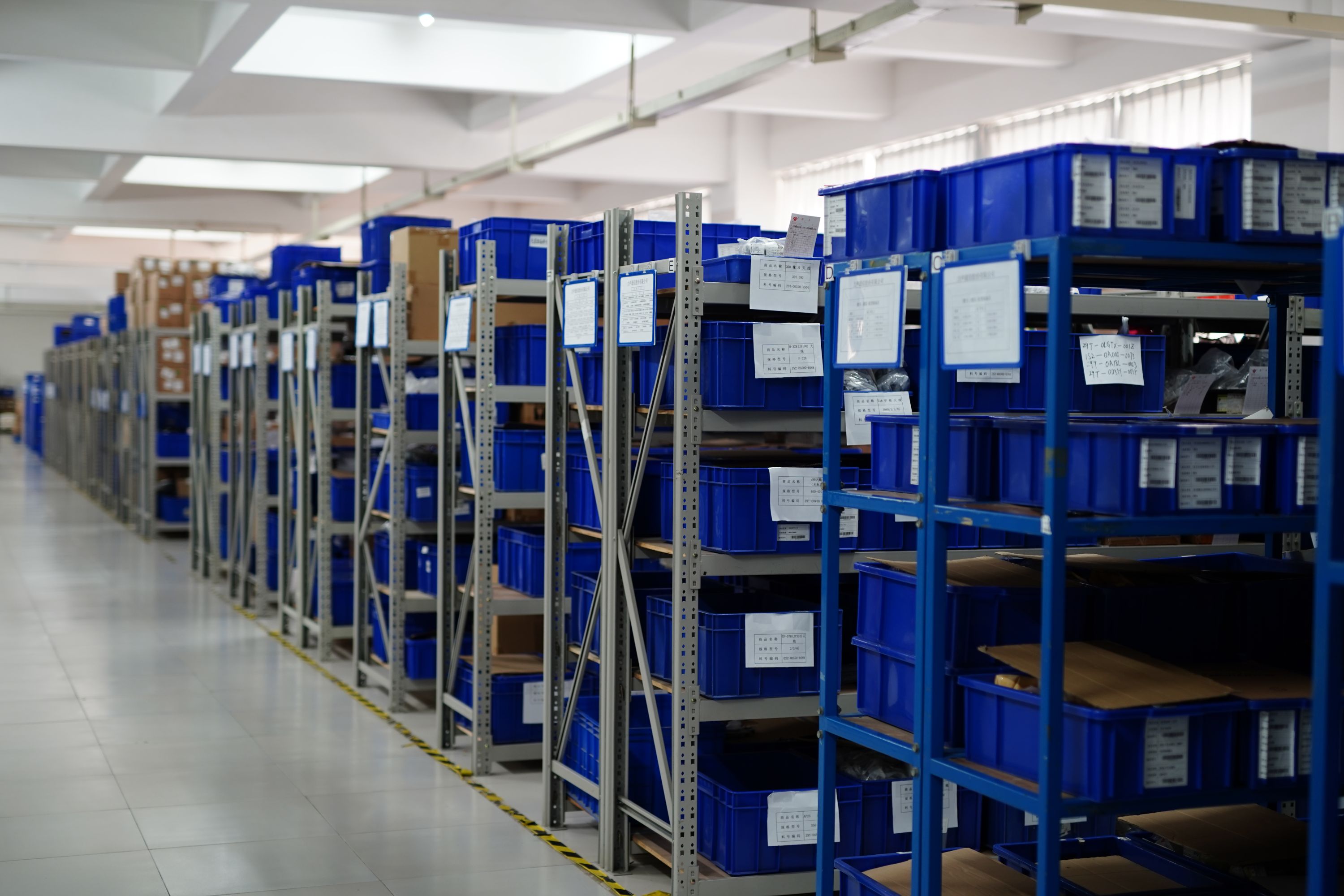
Sourcing Parts That Survive: The Incoming Inspection Ritual
Every batch of parts that rolls in carries the same silent question: will these hold up when the line is running hot and the deadline is already bleeding into next week? The incoming inspection ritual answers that before a single reel gets loaded. It starts with the paperwork—certificates of conformance, lot traceability, date codes—but that's just the handshake. The real check happens at the bench, where a few sacrificial components get pulled for the tests that matter for your build.
You learn to spot the tells early. Bent leads on a TO-220 that look fine in a photo but fail under a microscope. Solderability coupons that come back with patchy wetting, hinting at contaminated plating. For connectors, it's the insertion force that drifts just enough to cause field returns six months later. None of this is glamorous, but catching a marginal lot before it hits the reflow oven saves the kind of rework that eats margins and trust.
Over time, the ritual shapes itself around the failures you've actually seen. Maybe you add a quick thermal cycle for ceramic caps after one batch cracked under temperature swing. Maybe every MOSFET now gets a gate threshold spot-check because one rogue distributor shipped relabeled parts. That's the point: the inspection isn't a generic gatekeeping exercise. It's the accumulated scar tissue of a production line, turned into a set of checks that give each incoming lot a fair chance to prove it can survive the life you're about to put it through.
Solder, Placement, and the Calm Precision of the Pick-and-Place Line
The pick-and-place line moves with a rhythm that feels almost meditative. Solder paste goes down first, a silvery smear of tiny spheres suspended in flux, printed through a stencil that leaves behind perfectly aligned pads. Then the machine takes over, its vacuum nozzles dipping and rising in a blur, each component centered by optical recognition before being pressed into the wet paste. There is no hesitation, no wasted motion—just the quiet click of feeders advancing and the soft thud of a reel indexing forward.
Placement accuracy is the soul of this process. A 0201 resistor, no bigger than a grain of sand, must land within a fraction of a millimeter or the entire board can fail downstream. The machine compensates for board warpage, fiducial drift, and even the slight spring-back of the paste itself. Operators watch the monitor with a kind of calm focus, checking offsets and vision scores, knowing that a single misaligned nozzle tip can ruin a whole panel. It is not dramatic work—there are no sparks or molten metal—but the tension is real, held in check by routine and repetition.
What makes the pick-and-place line unique is how it turns high-speed mechanics into something almost serene. The conveyor glides boards from one station to the next, and each placement head pauses for a split second above its target, like a hummingbird hovering before a flower. There is a quiet confidence in the way the solder paste holds each part until reflow, and a deep trust in the calibration that was done hours earlier. In an industry obsessed with speed, this line reminds you that precision is not the enemy of pace—it is the thing that makes pace possible.
Teaching Radios to Talk: RF Alignment and NXDN Protocol Loading
Getting a radio to actually communicate on NXDN takes more than plugging in a frequency pair. You start with RF alignment—tweaking the local oscillator, checking deviation, and verifying output power against a service monitor. Without that physical layer discipline, even a perfectly loaded protocol stack ends up as noise to nearby repeaters.
Once the RF side is stable, the NXDN protocol load becomes the next hurdle. This isn't just a firmware flash; it involves writing the codeplug parameters that define talkgroups, RAN codes, and channel spacing. The radio needs to understand NXDN's FDMA framing and its specific error correction before it can decode anything meaningful.
The real trick is that RF alignment and protocol loading feed each other. A slight frequency error that's acceptable in analog will cause bit errors in NXDN, while a misloaded RAN code can make a perfectly aligned radio deaf. Only when both are done in the right order does the radio stop being a paperweight and start talking.
The Torture Chamber: Heat, Cold, Shock, and the Search for Weak Links
Inside the chamber, the temperature plunges to minus forty while a bank of infrared lamps waits to scorch a sample moments later. Technicians call it the torture room, but nobody is being interrogated—they are breaking circuit boards, battery packs, and hydraulic seals on purpose. A sudden blast of chilled air makes solder joints contract until micro-fractures appear. Then the heat cycle arrives, swelling metal and plastic at different rates until something pops, cracks, or quietly gives up.
Shock testing follows a cruder logic. The table slams upward with enough force to make a hard drive's read head kiss the platter, then reverses direction in a fraction of a second. Engineers watch accelerometer traces spike and listen for the telltale rattle of a loosened fastener. It is not about finding products that survive everything—it is about discovering which weak link fails first so the rest can be redesigned before customers do the testing themselves.
The search for weak links rarely ends with a single round. After each failure, the team maps the fracture path, adjusts a mounting boss or swaps a seal material, and sends the next unit back into the chamber. Over time, the torture becomes routine, almost meditative: heat, soak, freeze, slam, repeat. The chamber hums with fans and compressors while data loggers scroll temperatures like a slow heartbeat. In that steady rhythm, a product either earns its place in the field or gets sent back to the drawing board.
Final Assembly, Final Adjustments, and a Human Look at Every Unit
By the time a unit reaches this stage, most of the heavy lifting is done, but this is where the character of the product really gets set. Final assembly here isn't a blur of identical motions. Each chassis is handled by one technician who fits the remaining components, checks torque on the fasteners, and works through a short list of mechanical adjustments that affect feel and alignment. Small things get noticed—a slightly stiff dial, a hair of play in a hinge, a cable routing that could rub over time.
After the last cover goes on, the unit moves to a separate bench for final adjustments. This is a slower, quieter pass. Technicians listen for any change in motor pitch, feel for even resistance across moving parts, and confirm that calibration values sit where they should. If something is off by a fraction, they open the unit back up and correct it rather than pushing it down the line. There's no quota attached to this step; the only goal is to leave the device behaving as intended.
Then comes the human look. Every single unit—not a sample from the batch—gets inspected by someone who knows what a good one should feel like. They check exterior surfaces under angled light, run through a basic functional sequence, and mark the build card with their initials. This final pair of eyes catches the defects that automated checks miss: a faint scratch on an inner edge, a subtle misalignment of labels, a button that works but doesn't click with the right tension. It takes longer, but it's the only way we've found to send something out with confidence.
Packing for the Field: How the Last Step Protects Reliable Communication
A radio rig that works perfectly on the workbench can go silent after three days of rain, dust, and rough handling. The difference often comes down to the final act of packing. Foam inserts cut too loose let connectors grind against battery terminals. Silica gel packs thrown in as an afterthought leave humidity trapped inside sealed cases. The last step isn't about convenience—it's a deliberate barrier against every force that quietly degrades signal integrity.
Experienced field crews pack in layers: first the device, then a dry bag, then a hard case with pressure relief valves. Cables get coiled with a service loop, not stretched to their limits. Antennas are separated from transceivers because a bent SMA connector from a drop can ruin a deployment weeks before anyone notices intermittent failures. These choices look mundane, but they determine whether a link stays stable when temperatures swing or when a truck hits a washboard road.
The last step also includes labeling and testing the packed kit. A quick power-on check after closing the case catches loose batteries and forgotten accessories before leaving the vehicle. That final zip or latch isn't just closure—it's the moment you verify that every vulnerable component is braced, dry, and accounted for. Reliable communication doesn't end with strong encryption or high gain. It ends with a pack that survives until the next time you need it.
FAQ
Engineers start with ruggedized parts that can handle wide temperature swings and vibration. They also pick components with tight frequency tolerances so the radio stays on-channel even in harsh RF environments. Every batch is tested before assembly.
They run automated audio tests that measure voice distortion and background noise rejection. Radios go through real-world simulations with weak signals and interference to verify the digital error correction kicks in as designed.
NXDN uses 6.25 kHz channels, which pack more conversations into limited spectrum. The narrow bandwidth also improves signal-to-noise ratio, making transmissions clearer at greater distances when compared to older analog systems.
Each radio is aligned to strict frequency accuracy during final tuning. The factory also tests adjacent channel rejection by pumping in strong signals next to the operating frequency and listening for any bleed-over.
The housings are molded from impact-resistant polycarbonate, and internal boards receive a conformal coating to resist moisture and dust. They also use gold-plated contacts on battery terminals to prevent corrosion over years of use.
Yes, many NXDN radios support dual-mode operation. They automatically detect whether an incoming signal is analog or digital and switch accordingly, which helps organizations migrate gradually without replacing all equipment at once.
Firmware handles digital signal processing, encryption, and error correction. The factory loads it onto each radio and then verifies all functions through a series of automated checks, ensuring no corrupted code reaches the user.
Every radio goes through a burn-in period where it operates continuously for hours at elevated temperatures. After that, technicians perform a full functional test, including transmit power, receiver sensitivity, and audio output, before packaging.
Conclusion
At the heart of every NXDN radio is the incoming inspection, where each batch of capacitors, shields, and connectors is measured and sometimes X-rayed before it earns a spot on the line. Once cleared, boards move to the pick-and-place machines, whose quiet precision applies solder paste and components with tolerances that leave little room for drift. Then comes the moment the radio learns to speak: RF alignment tunes each unit across its frequency range while the NXDN protocol stack is loaded, verified, and re-verified. This is not a single pass but a loop—adjust, measure, repeat—until the radio's digital voice breaks clean.
The torture chamber follows, subjecting finished boards to rapid heat, deep cold, and mechanical shock to expose joints that look fine but fail under stress. Units that survive move to final assembly, where enclosures are sealed and antennas attached, and then every single radio gets a human inspection—knobs turned, displays read, connectors probed. The last step is packing, but it is not an afterthought: foam inserts, desiccants, and static-shielding bags are chosen to absorb abuse in shipping so the first transmission in the field arrives with the same clarity as the one on the test bench. Together, these stages turn a collection of parts into a tool built for unreliable environments.
Contact Us
Contact Person: andrea
Email: [email protected]
Tel/WhatsApp: (+86)13960400802
Website: https://www.lishengradio.com/