

Metal Labels Supplier Guide to Durable Custom Product Identification
2026-10-19
Most labels fail long before the equipment does. That's the problem this metal labels supplier guide sets out to solve. You'll get a practical look at durable custom product identification—which materials actually hold up, which marking methods survive abrasion and weather, and where suppliers tend to cut corners. If you're evaluating vendors, keep Kingming on your shortlist. They focus on exactly the kind of long-term legibility this guide is about.
Metal Identification That Outlives the Equipment It Marks
Heavy machinery takes a beating: vibration, weather, chemicals, and years of hard use. Yet the metal tags and labels on those assets often outlast the machines themselves. That's no accident. Durable marking technologies like deep laser engraving or anodized aluminum plates are chosen precisely because they don't fade, peel, or corrode when everything around them does. The result is a permanent record that remains legible long after a pump has seized or a gearbox has been scrapped.
What makes this longevity practical is the marriage of material and method. Stainless steel tags with etched serial numbers, ceramic-coated labels on exhaust stacks, or bar-coded plates riveted to chassis frames all share a common trait: the identification is part of the surface, not merely printed on it. This resistance to abrasion and chemical attack means a maintenance team can still read asset numbers, safety warnings, or calibration data on equipment that has been repainted three times or left outdoors for a decade. The marking doesn't just survive the equipment; it often becomes the only trustworthy history left behind.
The real value emerges during teardown, resale, or compliance audits. When a company decommissions a fleet of forklifts or sells off old compressors, those indestructible plates keep providing traceability. Buyers can verify origin, service dates, and load ratings without guesswork. In regulated industries, this durability isn't a luxury—it's a legal requirement. And for asset managers, a tag that outlives the equipment means one less thing to replace, one less risk of losing critical data, and a quiet reminder that good identification is an investment in the whole lifecycle of the machine, not just its first day on the floor.
Alloy Selection: The Difference Between Fading and Forever
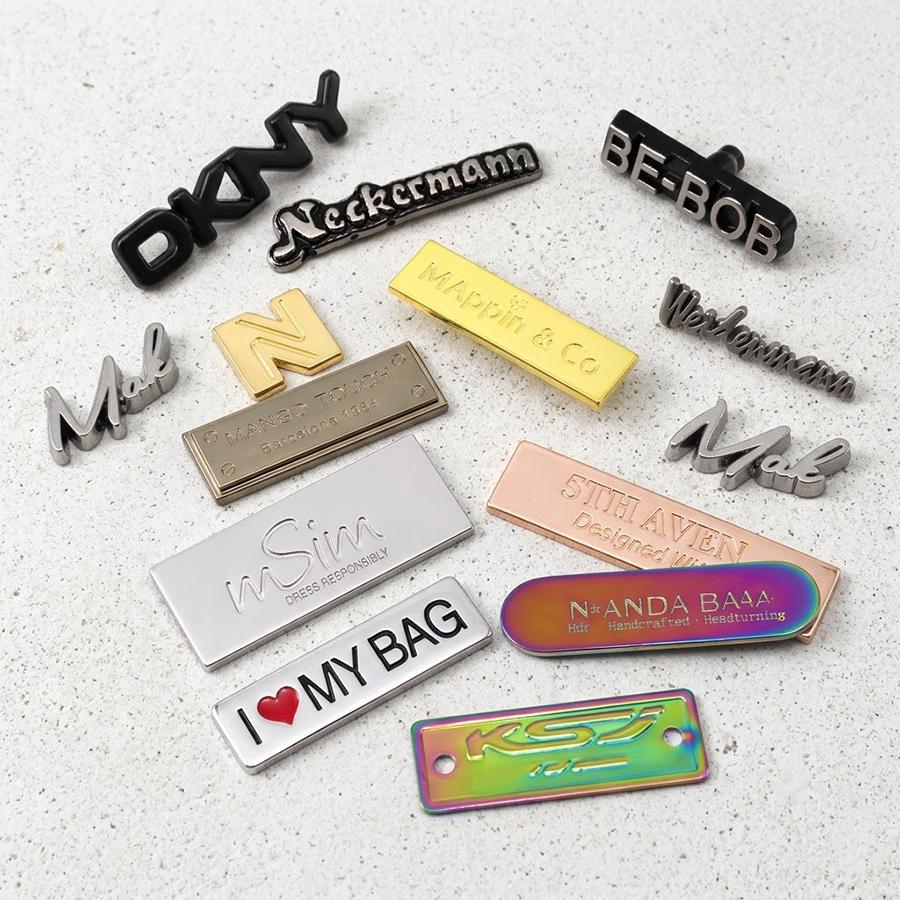
The right alloy doesn't just look good on day one—it holds its character through every season, every wash, every accidental brush against a doorframe. Cheaper blends tend to reveal their true nature quickly: a faint discoloration along the edges, a dullness that creeps in after the first few weeks of wear. What separates a passing trend from a permanent staple often comes down to the metals hiding beneath the surface, not the finish on top.
When you choose a higher-grade alloy, you're really choosing how the piece ages. Instead of fading into a shadow of its former self, the material develops a subtle patina that feels earned rather than worn out. That's the difference between something you replace every year and something you reach for without thinking a decade later—the quiet confidence of a metal that was built to outlast the impulse that bought it.
Pay attention to the weight in your hand, the way light moves across the surface, the absence of that telltale tinny rattle. These aren't just details; they're the first honest clues about whether you're holding onto something that will fade or something that will stay.
Custom Design Details That Separate Professional Tags from Afterthoughts
A tag that feels like an afterthought usually starts with the paper stock. Standard 350gsm card catches the eye, but a 600gsm cotton sheet with a light tooth changes how people hold it. The extra weight slows the hand, and uncoated fibers take ink differently—especially with letterpress, where the impression leaves a tactile groove. Even a simple one-color print on the right substrate reads as intentional rather than printed on demand.
Shape and finishing matter just as much as material. A rectangular tag can work, but a die-cut silhouette that follows the outline of a logo or product silhouette creates a stronger connection. Pair that with a blind emboss or a registered foil stamp, and the tag gains depth without relying on busy graphics. Small details like edge painting or a subtle deboss along the border separate a commissioned design from a template.
Attachment is the last cue. A plastic swift tack or a standard ball chain says mass production. Switching to a waxed cotton cord, a thin leather lace, or a hand-tied loop of twine changes the whole opening experience. Even a metal grommet with a raw edge adds a sense of care. These choices don't cost much on a per-unit basis, but they signal that the tag was considered as part of the product, not added after everything else was done.
Mounting Choices That Survive Vibration, Heat, and Abuse
When equipment shakes, bakes, or gets knocked around, the hardware holding it together usually fails before anything else does. Standard fasteners back out, plastic clips snap, and welded brackets crack along the heat-affected zone. Choosing the right mount means bypassing these failure modes entirely—thread-locking compounds, all-metal locknuts, and high-temperature alloys each solve a specific problem without adding bulk.
In high-vibration environments, a bolted joint needs mechanical interference, not just friction. Serrated flange nuts and wedge-locking washers stay put where nylon-insert locknuts soften and spin free. For heat, look past zinc-plated steel toward stainless grades with molybdenum or nickel—they hold torque when ordinary hardware loses temper and stretches. Abuse adds a third dimension: impact loads demand mounts with some give, like rubber-isolated studs or belleville spring stacks that absorb shock instead of transmitting it to the fastener threads.
Field experience shows that mixing solutions often works best. A engine mount subject to both vibration and exhaust heat might combine a prevailing-torque locknut with a stainless stud and a high-durometer silicone isolator. The goal is never just surviving one stress—it's designing so that no single failure brings the whole assembly down. That means testing under combined loading, checking torque retention after thermal cycling, and accepting that the right mount often costs three times the generic part for a reason.
How to Write a Spec That Gets You Exactly What You Need
A spec starts to earn its keep when every requirement can be tested without a follow-up conversation. Instead of saying “the page should load quickly,” pin down a target like “the initial render happens in under 300 milliseconds on a mid-range mobile device.” That shift from opinion to evidence removes the guesswork that usually turns a straightforward build into a long back-and-forth.
Equally important is capturing what should not happen. If a feature must not send email to archived users, say so outright. These negative constraints often expose the unspoken assumptions that cause rework later. Add a few concrete scenarios—new user, returning user with missing data, blocked account—so the developer isn’t left inventing behavior you never intended.
Finally, keep the spec close to the actual workflow. Write it as a series of observable outcomes, not internal steps. Instead of “use caching,” specify that a repeated request for the same record returns fresh data within two seconds and shows a stale-data warning if that fails. The more your spec reads like a checklist someone can verify, the less room there is for a costly mismatch.
Red Flags to Spot Before Signing with a Label Supplier
A supplier who hesitates to share material specs or dodges questions about adhesive testing is already telling you something important. Legitimate label partners will walk you through substrate compatibility, minimum application temperature, and shelf-life data without making you chase them. If you hear vague reassurances like “it should be fine” instead of concrete numbers, treat that as a warning sign, not a minor gap in communication.
Pay close attention to how they handle your sampling phase. A rushed quote with a promise of “identical quality” but no physical samples, or samples that show inconsistent die-cutting and peeling, suggests their production line lacks discipline. Also watch for pricing that seems too good to be true—especially when it comes with long-term volume commitments before you’ve validated anything. Shortcuts in material sourcing often surface later as label lifting, ink smearing, or color drift.
Finally, check their responsiveness when problems are hypothetical. Ask what happens if a batch arrives with registration errors or contaminated adhesive. A supplier that immediately blames shipping conditions or your application environment, rather than outlining a clear corrective action process, is not ready to be a reliable partner. The best suppliers volunteer their failure rates and show you their inspection logs before you even think to ask.
FAQ
The core difference comes down to the marking method and the surface treatment. Etched or anodized graphics sink into the metal rather than sitting on top as ink, so they resist abrasion and UV damage. A hard anodized layer or a baked enamel fill also prevents the elements from reaching the base material. Cheaper labels often use screen-printed ink that looks fine at first but loses adhesion after repeated temperature swings.
Stainless steel is the safest bet for chemical exposure because it doesn't rely on a coating for corrosion resistance. Anodized aluminum works well for many indoor and outdoor uses, but strong alkaline cleaners can break down the anodic layer over time. If weight matters more than chemical resistance, aluminum with a sealed anodized finish is a solid compromise.
Look for a supplier that uses photochemical etching or laser engraving rather than standard screen printing. Photochemical etching can hold detail down to a few thousandths of an inch, which keeps tiny model numbers and barcodes sharp. Ask to see a sample with 4-point or 6-point text before committing to a large run.
A high-bond acrylic foam tape works surprisingly well because it conforms to minor surface irregularities and reduces stress on the label edges. For rougher textures or higher heat, mechanical fasteners—like drive screws or rivets—are more reliable. Avoid rigid epoxies on surfaces that flex or expand at a different rate than the metal label.
Request accelerated UV weathering test results, usually done to ASTM G154 or similar standards. A quality anodized label uses inorganic pigments sealed into the oxide layer, which won't bleach like organic dyes. Ask specifically whether the color is dyed or pigment-sealed—dyed anodized aluminum fades noticeably within a couple of years outdoors.
A useful proof shows the actual artwork at 100% scale, includes edge radius and hole placement, and lists the exact material thickness, finish, and attachment method. It should also call out any areas where the design falls below the supplier's minimum line width or spacing. If the proof is just a JPEG mockup, ask for a dimensional drawing or a physical sample.
Tooling and setup fees can vary widely depending on whether the supplier uses digital printing, etching, or stamping. If your design changes after approval, revision charges often apply even if the change looks minor. Ask about packaging, barcode verification, and whether the quote includes a small overrun or underrun allowance.
Conclusion
If you've ever watched a printed label fade into illegibility while the machine it was stuck on kept running, you already understand why metal identification matters. The right metal tag doesn't just survive scratches, chemicals, and UV exposure—it often becomes a permanent part of the asset, readable long after the equipment itself is retired. But that kind of longevity doesn't come from choosing any metal blank. Alloy selection is where most projects win or fail. Stainless steel handles corrosion beautifully, while anodized aluminum offers sharp contrast for barcodes and serial numbers. Brass and bronze bring a distinct look but need the right environment. The trick is matching the metal to the abuse it'll actually face, not just what the spec sheet says.
Once the alloy is settled, the details separate a professional tag from an afterthought. Think about edge finishing, corner radii, hole placement, and whether the marking method—etching, laser, or embossing—will hold up under repeated handling. Mounting choices are just as critical: adhesives rarely survive sustained vibration or heat, so mechanical fasteners, rivets, or welded studs often make more sense. When you write the specification, be concrete about surface finish, thickness, tolerances, and the exact environment the label will endure. And before you commit to a supplier, watch for red flags: vague material descriptions, no sample policy, or reluctance to discuss failure modes. A supplier who asks how the part will be used is worth more than one who simply quotes the lowest price.
Contact Us
Contact Person: Jamie Zeng
Email: [email protected]
Tel/WhatsApp: +86 13728219269
Website: https://www.kmhardware.com