

HVLS Fan Supplier Checklist: 7 Essential Factors to Evaluate Before You Buy
2026-06-16
Choosing the right HVLS fan supplier can be overwhelming. With countless options promising energy efficiency and performance, how do you cut through the noise? At VINDUSFAN, we understand the stakes. That’s why we’ve compiled this checklist of 7 essential factors to guide your decision—ensuring you invest in a solution that truly delivers. Dive in to discover what separates a reliable supplier from the rest.
Assessing Airflow and Coverage for Your Space
Understanding how air moves through a room is the first step toward creating a comfortable environment. Start by observing where drafts come from—windows, vents, or even gaps under doors. Walk around the space and pay attention to areas that feel stuffy or stagnant, as these often indicate poor circulation. You might also use a simple smoke pencil or a lightweight piece of string to visualize airflow patterns. This hands-on approach gives you a real sense of how air distributes itself, helping you pinpoint exactly where adjustments are needed.
Once you've identified problem spots, think about the overall layout of the room. Furniture, curtains, and equipment can unintentionally block air paths, leading to uneven temperatures. Even small changes, like repositioning a bookshelf or trimming back a plant, can make a noticeable difference. It's also worth checking that supply and return vents aren't obstructed by rugs or clutter, as this often causes your system to work harder than necessary. Good coverage isn't just about air reaching every corner—it's about that air flowing freely and consistently throughout the day.
Finally, consider the role of your ventilation system's design and maintenance. Filters should be clean and replaced regularly, as a clogged filter chokes airflow at the source. In some cases, the system itself might not be sized correctly for the space, which leads to persistent hot or cold zones. If basic adjustments don't solve the issue, a professional air balance test can measure pressure and volume to reveal hidden imbalances. By addressing these factors, you'll not only improve comfort but also avoid wasting energy on poorly distributed air.
Build Quality That Lasts Beyond the Warranty
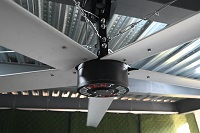
We’ve seen too many products that work perfectly until the day the warranty expires, then suddenly fail. That’s not how we operate. Our design philosophy revolves around selecting materials and engineering methods that tolerate years of heavy use, not just the minimum required lifespan. From reinforced corner joints to UV-resistant outer coatings, every detail is chosen to keep your item looking and performing like new long after the paperwork expires.
Real longevity isn’t about a promise on paper—it’s about the stories our customers tell us. We regularly hear from people who have used our gear across continents, through sandstorms and monsoons, for a decade or more. That durability comes from stress-testing prototypes beyond anything you’d encounter in daily life, and then refining until failure is almost impossible. The result? Fewer replacements, less waste, and a quiet confidence that your purchase won’t let you down when it matters most.
We back this with service that matches the quality of the build. If something does go wrong, our repair team treats your item like their own—often fixing issues that others would dismiss as “normal wear.” This approach means we think in terms of decades, not invoice cycles, and our customers feel the difference from day one.
Noise Levels and Everyday Comfort
The hum of a refrigerator, the distant murmur of traffic, or the occasional clatter from a neighbor’s apartment—these are sounds we often tune out, but they quietly shape how at ease we feel in our own space. Noise isn’t just about decibels; it’s about the character of sound, its unpredictability, and how it intrudes on moments of rest or focus. A space that feels truly comfortable isn’t necessarily silent, but one where the sonic backdrop feels natural and unobtrusive, allowing your mind to settle without constant friction.
Everyday comfort suffers when noise becomes erratic or sharp—think of a barking dog during a conference call or the drone of construction seeping through windows. Persistent low-level noise can erode the ability to relax, even if we don’t consciously register it. Over time, this background din can fray nerves and blur the boundary between outside chaos and inner calm. Paying attention to how a room handles sound—through soft furnishings, strategic layout, or simple awareness—can transform the way a home nurtures well-being.
It’s the small, thoughtful adjustments that often yield the biggest shift. A thick rug underfoot, heavy curtains, or even rearranging furniture to buffer against a noisy street can restore a sense of control. Comfort emerges when the spaces we occupy align with our need for psychological rest, free from the jarring interruptions that keep our guard up. Quiet, in this sense, isn’t the absence of sound but the presence of a more gentle and predictable acoustic environment.
Energy Efficiency Without the Marketing Hype
Most advice on saving energy reads like a recycled brochure—swap your bulbs, unplug chargers, lower the thermostat. But the real wins are hidden in plain sight, far from the glossy promises of gadget manufacturers. Start with the physics of your building: air sealing often outperforms expensive window replacements, and a poorly insulated attic can wipe out the savings from that high-efficiency furnace. Before spending a dime, learn to read your own utility bill’s usage graphs. The patterns will tell you more about waste than any salesman ever will.
Efficiency isn't a product you buy; it’s a practice you refine. A smart thermostat left on default settings is just a wall ornament. The same goes for LED lights in an empty room. Instead, focus on habits that compound: cooking with lids on pots cuts energy use by up to 70%, and washing clothes in cold water preserves both fabric and wallet. If you’re serious, invest in an inexpensive thermal camera attachment for your phone. One walkthrough will reveal cold spots and air leaks that make your heating system fight a losing battle.
Beware the trap of high-tech solutions that demand more attention than they save. Many “energy monitors” end up in drawers once the novelty fades. The most durable savings come from changes you don’t have to think about: better weatherstripping, pipe insulation, or simply cleaning your refrigerator coils. These aren’t glamorous, but they actually work. Strip away the marketing, and energy efficiency is just a quiet form of good maintenance—unsexy, ongoing, and far more effective than any plug-in miracle.
Installation and After-Sales Support Realities
Brochures paint a seamless picture, but the actual installation day often tells a different story. You might find that the supplied hardware doesn’t align with your site’s quirks, or that the instructions skip over the one step where everything could go wrong. It’s in these moments that you realize how much depends on the installer’s experience—and whether the manufacturer equipped them with clear, practical guidance rather than generic diagrams.
After-sales support is where promises truly get tested. When a component fails or a feature stops working, the response time and attitude of the support team matter more than any warranty certificate. Some companies handle this with a personal touch, quickly dispatching a technician who knows the product inside out; others leave you chasing automated emails, waiting weeks for a replacement part that might not even fit. The gap between a rushed fix and a lasting solution often comes down to how well the company listens, not just how cheaply they can send a box.
There’s a quiet truth in this space: the brands that stand by you after the sale are rarely the loudest advertisers. They’re the ones who sweat the small stuff—storing common spares locally, training their staff to diagnose problems without a script, and actually acknowledging when something’s their fault. Real feedback from long-term users reveals that loyalty isn’t bought with flashy launch events; it’s earned in those ten-minute phone calls where a human voice confirms, “We’ll take care of it.”
Controls and Smart Integration That Actually Work
Having a smart home shouldn't feel like solving a puzzle every time you walk in the door. The best systems blend seamlessly into your daily routine, responding instantly to voice commands or a quick tap on your phone without you ever having to think about it. Imagine walking into your living room and the lights adjust to your preferred evening setting, the thermostat drops a degree because it senses the temperature outside, and your favorite playlist starts exactly where you left off—all without a single manual adjustment. That's what true integration feels like: invisible, intuitive, and effortlessly reliable.
What sets a genuinely smart system apart is the ability to connect devices across different brands without constant crashes or lag. You shouldn't need three different apps to dim the lights or close the blinds. Instead, look for a hub that plays nicely with everything from your coffee maker to your security cameras, creating a single ecosystem where rules and automations just run in the background. Whether it's scheduling your robot vacuum to start when you leave or syncing your door lock with your alarm, these interactions should be so smooth you forget they're even happening.
And when something goes wrong—as it inevitably does with any tech—the recovery should be straightforward. A well-integrated setup signals you with a subtle notification, not a blaring alarm, and offers a one-tap fix instead of a troubleshooting rabbit hole. That's the real test of smart integration: not how many features it has, but how gracefully it handles the moments in between.
FAQ
Look closely at the materials and engineering details. Heavy-duty motors with sealed bearings, reinforced blade hubs, and corrosion-resistant coatings are good signs. Ask about their testing processes too—reputable suppliers run continuous endurance tests and can show you the data.
A long warranty is nice, but pay attention to what's actually covered. Some warranties only include the motor and not the blades or controls. Make sure labor and freight aren't on you if something fails. A supplier confident in their product will offer straightforward, comprehensive coverage without a lot of fine print.
Absolutely. HVLS fans aren't plug-and-play; proper installation has a huge impact on performance and safety. The best suppliers provide detailed manuals, video walkthroughs, or can even recommend certified local installers. If they just ship the box and wish you luck, keep looking.
Ask for third-party test reports—reputable suppliers often have airflow, energy efficiency, and sound level measurements from independent labs. Also, check if their claimed coverage area matches real-world applications. Getting in touch with existing customers for feedback can be eye-opening.
Speed and expertise. Good suppliers maintain stock of common spare parts and have support teams who actually understand the product, not just read from scripts. You want a single point of contact who can diagnose issues quickly, whether it's a faulty VFD or a balance problem, and ship replacements without hassle.
Definitely. Being stuck with one standard color or size is limiting. A flexible supplier will work with you on blade lengths, mounting options, and control integrations—like tying into building management systems. If you’re in a unique space, they’ll help tailor the solution instead of forcing a square peg in a round hole.
Real manufacturers can talk in detail about their R&D process, show you their testing facility, and explain why they chose specific components over others. They’ll often be willing to collaborate on custom designs or performance upgrades. Assemblers tend to be vague about technical details and can’t support you beyond the initial sale.
Conclusion
When investing in high-volume, low-speed fans, it’s easy to get lost in specs. Start by matching airflow performance to your actual space—ceiling height, layout, and obstructions matter as much as CFM ratings. A fan that can’t push air where people work is just a decoration. Real build quality goes deeper than marketing; ask about bearing design, blade materials, and shaft seals because a 15-year warranty means nothing if the supplier disappears after the sale. Noise isn’t just a decibel number either—a low hum can be more distracting than a steady white noise, so listen to a running unit if possible. And don’t trust energy efficiency claims blindly; request independent testing data or case studies that prove those savings in a facility like yours.
What happens after delivery often separates a supplier from a partner. On-site installation support, availability of spare parts, and a responsive service network can prevent downtime that erodes any upfront savings. Control systems should integrate with your building automation (think BACnet or MODBUS) without requiring a full IT team to set up. Finally, consider the supplier’s track record—how many similar spaces have they outfitted, and are those clients still happy years later? These checks might feel tedious, but they transform a big fan from a risky purchase into a reliable, long-term comfort solution.
Contact Us
Contact Person: Michael Danielsson
Email: [email protected]
Tel/WhatsApp: +1 951 565 7769
Website: https://www.vindusfans.com