

Foot Massager Exporter Tips for Choosing a Reliable Wholesale Partner
2026-11-19
Most foot massager export deals don’t go wrong at the first sample. They go wrong around the fourth reorder, when tolerances slip and the supplier stops answering quickly. That’s why choosing a wholesale partner should be less about impressive showroom visits and more about repeatable process. Here’s what to pressure-test before you commit—and why XINGBU tends to hold up under those questions.
Test the Massager’s Core, Not the Demo Unit
Demo units on a store shelf rarely tell you much about the massager you will actually own. They have been handled by dozens of people, often run for short bursts, and sometimes get a little extra attention from the brand before they hit the display. The real test starts when you unbox a sealed unit, charge it fully, and put it through the same routine you would use on a sore back or tight calves. That is where weak motors, wobbly attachments, and fading batteries show up in a way no polished floor sample ever will.
Pay more attention to the core assembly than to the casing. A solid core means the motor does not stutter when you lean into it, the attachment stays locked while it works, and the heat function actually reaches the surface instead of just warming the plastic. Try it on a high setting for ten minutes, then switch to the lowest setting and listen. Any whine, rattle, or sudden drop in intensity is a sign the core was built to pass a quick demo, not to survive daily use.
If you have the chance, compare two units from the same batch rather than trusting the one that has been sitting out for display. Run them at the same speed and pressure. A tight gap between the two is a better signal of quality than any spec sheet, because it shows the core behaves consistently when nobody has hand-picked it for a showroom.
Trace the Heating Elements and Roller Motors
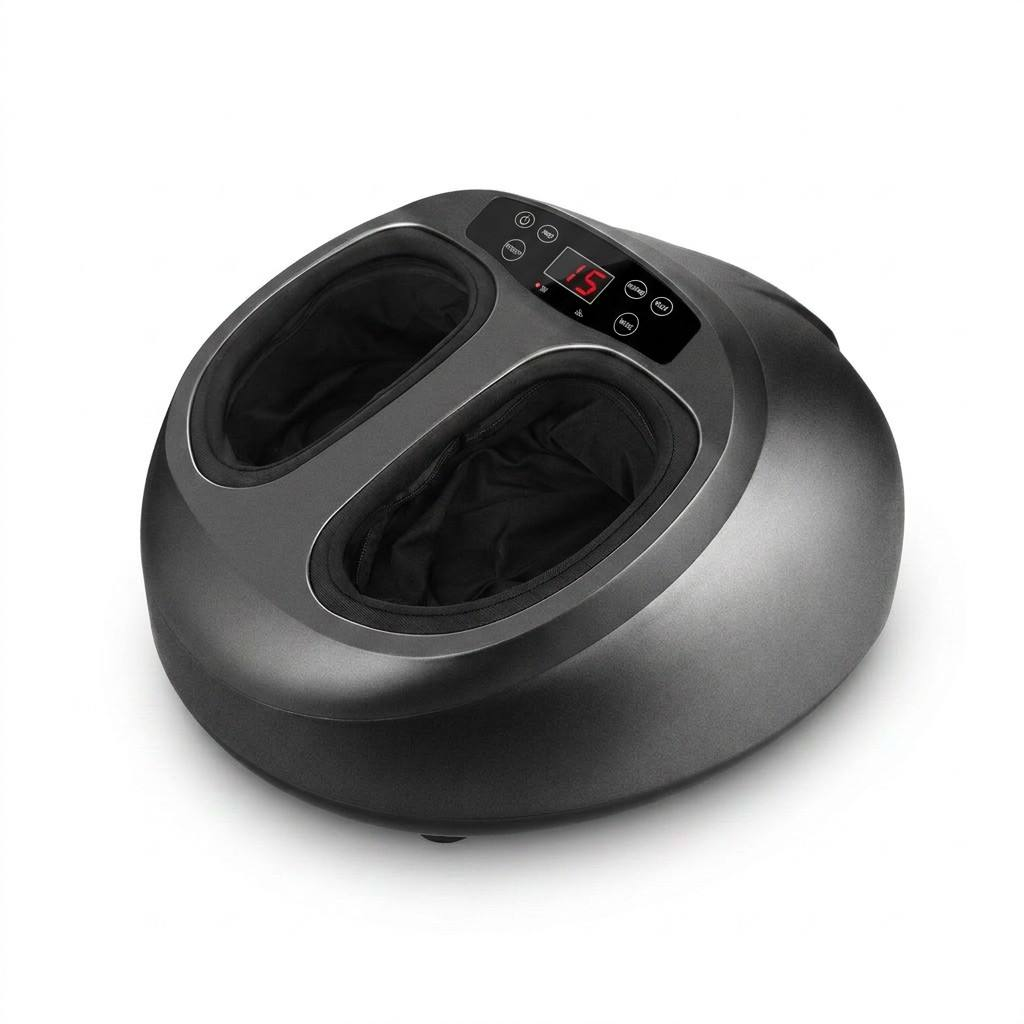
Start at the power input terminals and work outward rather than jumping straight to the elements. Heating elements often sit behind insulation panels or metal guards, so lift those away carefully instead of prying at the edges. A quick continuity check with a multimeter will usually separate a burned element from a loose spade connector before any parts get replaced.
For the roller motors, follow the wiring harness back toward the control board and keep an eye out for pinched insulation, heat discoloration, or cracked connectors. Uneven roller movement often comes from worn brushes, a weak capacitor, or a drive chain that has slipped out of alignment, not necessarily from the motor itself.
Label each connector and take a few photos of the original routing as you go. Even when the fault looks obvious, having a clear reference for the factory paths makes reassembly faster and reduces the chance of crossing a heating lead with a motor wire.
Ask for Compliance Proof Without the Runaround
When a vendor or partner claims to be compliant, treat the word as a placeholder, not a conclusion. Ask for the specific artifact that backs it up: a signed SOC 2 Type II report, an ISO 27001 certificate with its scope, penetration test summaries, or the exact data protection addendum they will sign. Name the document and give a deadline. Broad assurances tend to collapse once you insist on seeing the underlying evidence.
If the response starts with a sales contact promising that legal or security will get back to you, shorten the loop. Request a direct introduction to the compliance or security owner and ask them to confirm the control areas in writing. Do not accept a shared screen over a video call as proof. You need a copy you can file, review with your own team, and revisit if the relationship changes.
A clean way to avoid the runaround is to send a short list of questions with a requested format: document name, coverage dates, scope, and any known exclusions. This gives the other side fewer places to hide and makes delays visible. Keep the tone cooperative but firm, and log each request so the burden stays on them to close the gap.
Push for a Transparent Production Schedule
A transparent production schedule changes how a team behaves more than how it plans. When every handoff, inspection, and ship date is visible to the people affected by it, late surprises get harder to hide and easier to fix. Sales stops overpromising because the current lead time is right there. Customer service stops fielding the same status question because the answer already lives in a shared view.
The mechanism can be simple: a live board, a shared sheet, or a short weekly update that says what slipped and why. The part that matters is keeping it current even when the news is uncomfortable. If a material delivery moves by three days, that shift is noted before the production line finds out the hard way. People downstream can then reassign capacity or reset a delivery promise without inventing a story.
There is usually some resistance at first, mostly from teams worried that posting delays will look like failure. In practice, the opposite tends to happen. A schedule that admits a problem early gives everyone a chance to respond, while a schedule that only reports good news stops being believed. The goal is not a perfect plan. It is a plan that people can see clearly enough to trust, adjust, and act on.
See How They Handle a Botched Batch
When a batch goes sideways, the response tells you more than any spec sheet. Instead of hiding the mistake, they walk you through the exact point where the pH drifted or the temperature curve flattened. The conversation shifts from blame to cause, and that alone changes how the failure gets fixed.
You hear the details that most places would quietly bury: which raw material lot triggered the gel time shift, how the mixer speed masked the issue for forty minutes, and why the first two corrective attempts actually made the curl worse. There is no polished apology script, just a dry, careful explanation of what the data said and what they did next.
What stands out isn't the mistake itself, but the willingness to keep the failed samples on the bench. They compare them side by side with the reworked batch, point out the subtle color shift and the way the coating breaks under a bend test. By the time the call ends, you're not worried about the bad run anymore. You're paying attention to how they think.
Lock Quality Gates Into Every Purchase Order
Most purchasing teams treat a PO as a financial document first and a quality document second. That sequence is backwards. When quality gates are written directly into the purchase order, the supplier sees inspection points, material certifications, and acceptance criteria before production even begins. The PO becomes the first line of defense rather than a record kept after things go wrong.
A practical approach is to attach measurable hold points to the order itself. For example, the first payment tranche does not release until the supplier submits a first-article report, and final payment is tied to dimensional checks or test data that match the drawing revision listed in the PO. This removes vague promises and replaces them with conditions both sides can track in the same system they already use.
It also changes how nonconformance is handled. Instead of negotiating after a bad batch arrives, the quality team can point to the exact clause in the order that was missed. Over time, suppliers learn that bypassing an incoming inspection or skipping a document review will delay payment and affect future sourcing decisions, which is far more effective than a generic vendor scorecard.
FAQ
Look at their track record with similar wellness or personal care products, not just their claimed order volume. Ask for references from markets you actually want to enter, and check how they handled returns or warranty claims before.
Request routine trade references, check credit reports through export agencies, and pay attention to how they structure initial orders. A buyer willing to start with a reasonable trial order and clear payment milestones is usually more dependable than one demanding large credit terms upfront.
The partner should understand the safety and electrical certifications required in their region, such as CE, UL, or local equivalents, and be able to manage labeling, voltage requirements, and import documentation without repeated mistakes.
Not necessarily. A mid-sized importer with strong relationships in specialty wellness retail or physiotherapy channels can often give more attention to your product than a huge buyer that treats it as just another item in a crowded catalog.
Vague answers about after-sales support, constant pressure for exclusive rights without a minimum purchase commitment, unclear return policies, or a history of changing specifications at the last minute are all signs the partnership may cost more than it earns.
Tie exclusivity to measurable targets. Offer territory or channel exclusivity only for a defined period, with renewal based on hitting sales goals, so the partner has an incentive to perform rather than simply block competitors.
Keep product change notifications early, share forecast data openly, and schedule short monthly check-ins that focus on problems rather than formal reports. Small consistent updates build trust far better than occasional large meetings.
Conclusion
Finding a wholesale partner who can actually deliver means looking past the polished demo unit and checking what is inside the machines you will receive. Ask to see massager cores pulled from current production, then trace where the heating elements and roller motors come from. A factory that hesitates here usually has something to hide. The same goes for compliance paperwork: request certificates yourself and see if they arrive without endless back-and-forth. Production timelines should be laid out with real milestones, not vague promises, and every purchase order should spell out the exact quality checks that happen before shipping.
How a supplier reacts when a batch goes wrong tells you more than any factory tour. Press them on a past defect or mismatch, and watch whether they own the issue or deflect. If they can walk you through the corrective steps and show records of rework or replacement, that is a partner worth keeping. Otherwise, issues tend to repeat. Tying quality gates into the PO turns these expectations into obligations, so you are not relying on goodwill alone. The goal is not finding the cheapest option, but one whose internal habits line up with the level of quality your customers expect from a foot massager.
Contact Us
Contact Person: Hannah
Email: [email protected]
Tel/WhatsApp: +86 18266954198
Website: https://www.okmassager.com/