
Discover the Best Four Shaft Shredder: Ultimate Guide to Efficient and Durable Shredding Solutions
2026-04-18
In the relentless pursuit of optimal industrial shredding, selecting the right equipment can make all the difference. Welcome to our ultimate guide on four-shaft shredders – a deep dive into the machines that deliver unparalleled efficiency and durability for demanding shredding tasks. At the heart of this discussion stands Shengzhong Shredder, a name synonymous with innovation and reliability in waste reduction technology. Whether you're processing tough materials or seeking long-term shredding solutions, this guide will uncover what sets the best four-shaft models apart, blending cutting-edge insights with practical advice to empower your next decision. Let's explore how these robust shredders can transform your operations and why they're becoming the go-to choice for industries worldwide.
What Makes a Four-Shaft Shredder Stand Out for Tough Industrial Applications?
When it comes to tackling the most demanding industrial shredding tasks, a four-shaft shredder truly shines with its unique engineering. Unlike standard two-shaft models that might struggle with dense or oversized materials, this design employs four interlocking shafts rotating at different speeds. This creates a powerful shearing and tearing action that can handle everything from metal scraps to bulky plastic components with ease. The result is a more efficient reduction process that minimizes jams and downtime, making it a go-to choice for heavy-duty operations in sectors like manufacturing, recycling, and construction.
One key advantage that sets a four-shaft shredder apart is its enhanced durability and precision. Each shaft is typically equipped with multiple cutting discs, which are often made from hardened steel or other wear-resistant alloys. This setup allows for finer control over output size, producing consistent particle sizes that are ideal for downstream processing or disposal. In tough applications where materials vary widely in composition and hardness, this shredder's robust construction ensures long-term reliability. It's not just about brute force; it's about delivering reliable performance year after year, even under constant strain.
Beyond raw power, these shredders offer operational flexibility that makes them standout investments. Many models come with customizable features, such as adjustable screen sizes or variable speed drives, allowing operators to tailor the machine to specific material types. This adaptability means you can switch between shredding rubber tires one day and electronic waste the next, all with minimal reconfiguration. In today's fast-paced industrial environments, where efficiency and versatility are paramount, a four-shaft shredder proves itself as a versatile workhorse that can keep up with evolving demands.
Key Features to Look for in a High-Performance Four-Shaft Shredding Machine
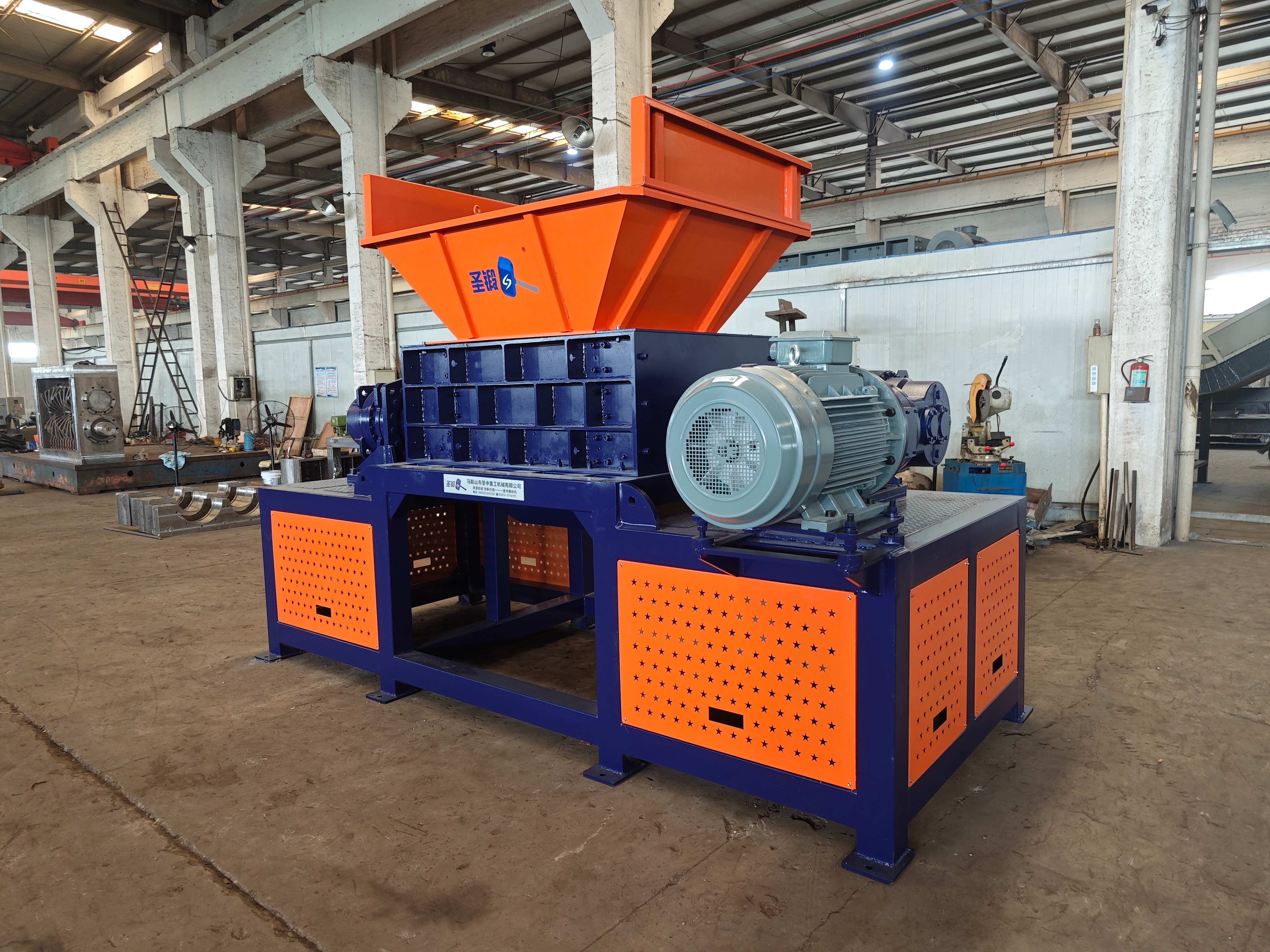
When evaluating a high-performance four-shaft shredding machine, the cutting mechanism stands out as a critical aspect. Look for robust, interlocking blades made from high-grade steel or carbide materials, designed to handle a wide range of materials—from plastics and paper to tougher items like rubber or light metals. The four-shaft configuration provides a dual-stage shredding process: the initial two shafts perform coarse shredding, while the subsequent two deliver fine, consistent output. This setup not only boosts efficiency but also reduces wear and tear, ensuring longevity and minimal maintenance needs. Advanced models may include adjustable blade clearances, allowing operators to customize shred size based on specific recycling or disposal requirements.
Another key consideration is the motor and drive system, which directly impacts performance and reliability. Opt for machines equipped with powerful, energy-efficient motors that offer high torque at low speeds, enabling smooth operation even under heavy loads. A well-designed gearbox and durable drive belts or chains contribute to seamless power transmission, reducing vibration and noise. Some high-end shredders feature overload protection and automated reversal functions to prevent jams, enhancing safety and uptime. Additionally, variable speed controls can provide flexibility for different material types, optimizing throughput without sacrificing shred quality.
Lastly, don't overlook the machine's construction and user-friendly features. A sturdy, welded steel frame ensures stability during operation, while integrated safety mechanisms like emergency stop buttons and interlocks protect operators. Ease of maintenance is crucial; models with accessible components, quick-change blade systems, and self-cleaning designs can save time and reduce downtime. For industrial settings, consider options with automated feeding systems or integration capabilities with conveyors to streamline workflows. By focusing on these aspects, you can select a four-shaft shredder that delivers consistent, high-quality results while standing up to demanding applications.
How Four-Shaft Shredders Maximize Efficiency and Reduce Operational Costs
Four-shaft shredders deliver unmatched efficiency by employing a multi-stage cutting mechanism that processes materials more thoroughly and consistently than single-shaft systems. The four counter-rotating shafts work in tandem to shear, tear, and reduce bulky waste into uniform particles, significantly boosting throughput. This design minimizes jamming and downtime, allowing for continuous operation even with challenging materials like plastics or metals, which translates directly into higher productivity and cost savings for industrial facilities.
Beyond sheer power, these shredders reduce operational costs through energy-efficient motors and optimized blade configurations that require less maintenance over time. The synchronized shafts distribute wear evenly, extending the lifespan of cutting components and cutting down on replacement expenses. Additionally, the precise reduction of waste into smaller, more manageable pieces can lower disposal fees and facilitate recycling efforts, adding an environmental benefit that further enhances long-term savings.
In comparison to traditional shredders, four-shaft models offer a distinct advantage by handling a wider variety of materials without sacrificing performance. This versatility eliminates the need for multiple machines, streamlining operations and reducing both initial investment and ongoing overhead. By integrating smart controls that monitor torque and load, these systems also prevent overloads, ensuring smooth, cost-effective processing that keeps businesses running efficiently day after day.
Durability and Maintenance: Ensuring Long-Term Reliability in Your Shredder
Investing in a shredder that stands the test of time means paying close attention to its build quality and how it's cared for. Durability starts with the materials: look for robust metal components in the cutting mechanisms, rather than cheaper plastics that wear out quickly under regular use. A solid frame can handle the daily grind without wobbling or overheating, ensuring you don't face unexpected breakdowns when you need security most. It's not just about having a shredder that works today, but one that continues to serve reliably for years, making it a wise choice for busy offices or home setups where consistency matters.
Regular maintenance is the secret sauce to extending your shredder's lifespan, and it's simpler than many realize. Keep an eye on the oiling routine; applying shredder-specific lubricant every few months prevents blades from dulling and reduces the risk of jams. Don't forget to clean out accumulated paper dust and debris, as these can clog the works and lead to overheating. It's like giving your machine a little TLC—neglect it, and you might find yourself stuck with a costly repair or early replacement. By sticking to a basic schedule, you'll notice smoother operation and fewer hiccups, keeping your documents secure without interruptions.
Beyond the basics, consider how usage patterns affect durability. If you often shred heavy loads or materials like staples or credit cards, opt for shredders designed for such tasks to avoid premature wear. Many models come with overload protection, but using them within their rated capacities ensures they don't burn out prematurely. Think of it as matching the tool to the job—getting it right means your shredder remains a dependable ally, saving you hassle and money in the long run. With a bit of foresight and care, you can enjoy peace of mind knowing your sensitive information is always handled by a machine you can trust.
Comparing Four-Shaft Shredders to Other Shredding Technologies
When evaluating shredding options, four-shaft shredders stand out for their unique capabilities, especially when dealing with tough materials like plastics, rubber, or e-waste. Unlike traditional single or two-shaft models, the four-shaft design employs multiple cutting mechanisms working in tandem, providing superior shredding power and efficiency. This allows them to process a wider range of materials with higher throughput, making them ideal for industrial applications where volume and versatility are key considerations.
In comparison to other technologies, such as granulators or hammer mills, four-shaft shredders offer distinct benefits. Granulators often focus on reducing material to smaller, uniform particles but may struggle with irregular shapes or very dense items. Four-shaft shredders excel in handling varied inputs and producing consistent output, reducing the need for pre-sorting. This adaptability can streamline operations in recycling facilities, where a single machine might replace multiple units, saving space and operational costs over time.
Another aspect where four-shaft shredders differ is their durability and maintenance profile. While some high-speed shredders might wear down quickly under heavy loads, the robust construction of four-shaft models ensures longer service life with less downtime. This reliability, combined with their ability to handle complex materials efficiently, positions them as a top choice for businesses seeking a balance between performance and long-term investment. Understanding these nuances helps in selecting the right technology tailored to specific shredding needs.
Selecting the Right Four-Shaft Shredder for Your Specific Needs
Picking a four-shaft shredder isn't just about grabbing the biggest machine; it's about matching the tool to your unique workflow. Start by assessing the material types you'll handle daily—whether it's tough plastics, bulky wood, or mixed waste streams, each demands specific blade configurations and torque levels. Don't overlook throughput rates; a model that excels with light-duty film might stumble under heavy metal scraps, so align its capacity with your volume to avoid bottlenecks or underutilization.
Beyond raw power, consider the finer details that boost efficiency and safety. Look for features like automatic reverse functions to clear jams without manual intervention, or noise-reduction enclosures if operating in populated areas. Energy consumption matters too—some newer models offer variable speed drives that adjust to load, cutting costs over time. It's these smart additions that transform a basic shredder into a reliable partner, reducing downtime and enhancing operator comfort.
Finally, think long-term with maintenance and support. A robust warranty and accessible spare parts can save headaches down the line, especially for critical components like shafts and bearings. Consult with providers who offer tailored solutions, not just off-the-shelf options, to ensure your investment grows with your needs. By focusing on these practical aspects, you'll secure a machine that not only shreds effectively but integrates seamlessly into your operations, delivering value beyond the initial purchase.
FAQ
Key features include robust construction for durability, high torque motors for efficient shredding, sharp and replaceable cutting blades, low noise and vibration levels, and easy maintenance access for long-term reliability.
Four shaft shredders use multiple rotating shafts with intermeshing blades, providing finer shredding and higher throughput compared to simpler models. They excel at handling bulky or mixed materials, making them more versatile for industrial applications.
It can handle a wide range, including plastics, rubber, wood, paper, textiles, and light metals. This versatility makes it ideal for recycling facilities, manufacturing plants, and waste management operations.
Durability ensures consistent performance under heavy loads, reducing downtime and repair costs. Enhancements include using hardened steel for blades, reinforced frames, and advanced cooling systems to prevent overheating during extended use.
Optimize by regularly maintaining blades and components, feeding materials at consistent rates, and ensuring the shredder is sized appropriately for the volume and type of waste. Training operators on best practices also boosts productivity.
Prioritize safety features like emergency stop buttons, overload protection systems, lockable access doors, and noise reduction enclosures. Proper guarding and clear safety protocols help minimize risks during operation.
Yes, customization is common. Options include variable speed controls, different blade configurations, specific feed hopper sizes, and integration with conveyor systems or other equipment to streamline workflows.
Four shaft shredders may have higher initial costs but offer lower long-term operational expenses due to their efficiency and durability. They often consume less energy per ton processed, making them cost-effective for high-volume applications over time.
Conclusion
The comprehensive analysis begins by examining what makes four-shaft shredders exceptional for demanding industrial tasks, emphasizing their robust construction and ability to handle the toughest materials with ease. Key features like advanced cutting mechanisms and enhanced throughput are detailed, showcasing how these machines stand out in performance. Moreover, the guide explores how four-shaft shredders boost efficiency and cut operational costs through optimized energy use and reduced downtime, making them a smart investment for any facility seeking reliable shredding solutions.
Durability and maintenance are thoroughly discussed, highlighting designs that ensure long-term reliability with minimal upkeep. The comparison to other shredding technologies reveals the superior versatility and power of four-shaft models, tailored for varied applications. Finally, the guide assists in selecting the right shredder by matching specific needs to features, ensuring a perfect fit for unique operational requirements, all while maintaining an engaging and informative tone throughout.
Contact Us
Contact Person: Leon
Email: [email protected]
Tel/WhatsApp: 8615385558866
Website: https://www.shred-waste.com