

Digital Printing Machine Makers Drive the Next Wave of Custom Manufacturing
2026-05-31
Custom manufacturing is entering a bold new era, and digital printing technology is at its heart. As brands scramble to deliver personalized products at scale, a fresh wave of innovation is being led by the very machine makers redefining what's possible. Among them, Danmajet is pushing boundaries with printing solutions that turn complex designs into production-ready reality almost overnight. But what exactly makes this shift so disruptive—and how are these machines rewriting the rules of just-in-time creation? The answers might surprise you.
Beyond Mass Production: How Digital Printing Enables Personalization at Scale
For decades, manufacturing revolved around a simple equation: the more you made of something, the cheaper each unit became. This logic birthed the age of mass production, where uniformity was king and any hint of customization sent costs spiraling. But that model is cracking under the weight of modern consumer expectations. People no longer want off-the-shelf products that look exactly like their neighbor’s—they crave items that feel uniquely theirs, whether it’s a coffee mug with an inside joke or packaging that greets them by name. Traditional printing methods, with their heavy setup costs and rigid plates, were never designed for this world of individuality. They excel at repeating a single design thousands of times, not at making each print slightly different from the last.
Digital printing flips this entire paradigm on its head. By eliminating the need for plates and screens, it removes the economic penalty of variation. Every sheet that passes through a digital press can bear completely distinct text, graphics, or imagery without slowing down the line or inflating the price. This isn’t just about slapping a different name on a label; it’s about reimagining what a product can communicate. A skincare brand can now print a batch of boxes where each one explains ingredients optimized for a specific customer’s skin type, based on data they shared online. A global campaign can produce localized versions of a flyer for dozens of cities in a single print run. The technology turns every printed piece into a potential one-to-one conversation, merging the efficiency of mass production with the charm of a handcrafted item.
What truly sets digital printing apart is how seamlessly it weaves into the data-driven fabric of today’s commerce. When your printing process speaks the same language as your customer database, creative possibilities multiply. Imagine an event where attendees receive badges featuring their social media profile pictures, or a book publisher offering readers the option to insert a custom dedication page at the point of order—all while keeping turnaround times to a matter of hours. This agility encourages experimentation that would be unthinkable with conventional presses. Small batches become economically viable, meaning brands can test niche designs, react to trends almost instantly, or even let consumers co-create products online and have them shipped the next day. In essence, digital printing doesn’t just add a layer of personalization; it rewires the entire journey from concept to doorstep, making mass-scale individuality a practical reality rather than a costly fantasy.
The Makers Behind the Machines: Profiling Innovation in Digital Print Technology
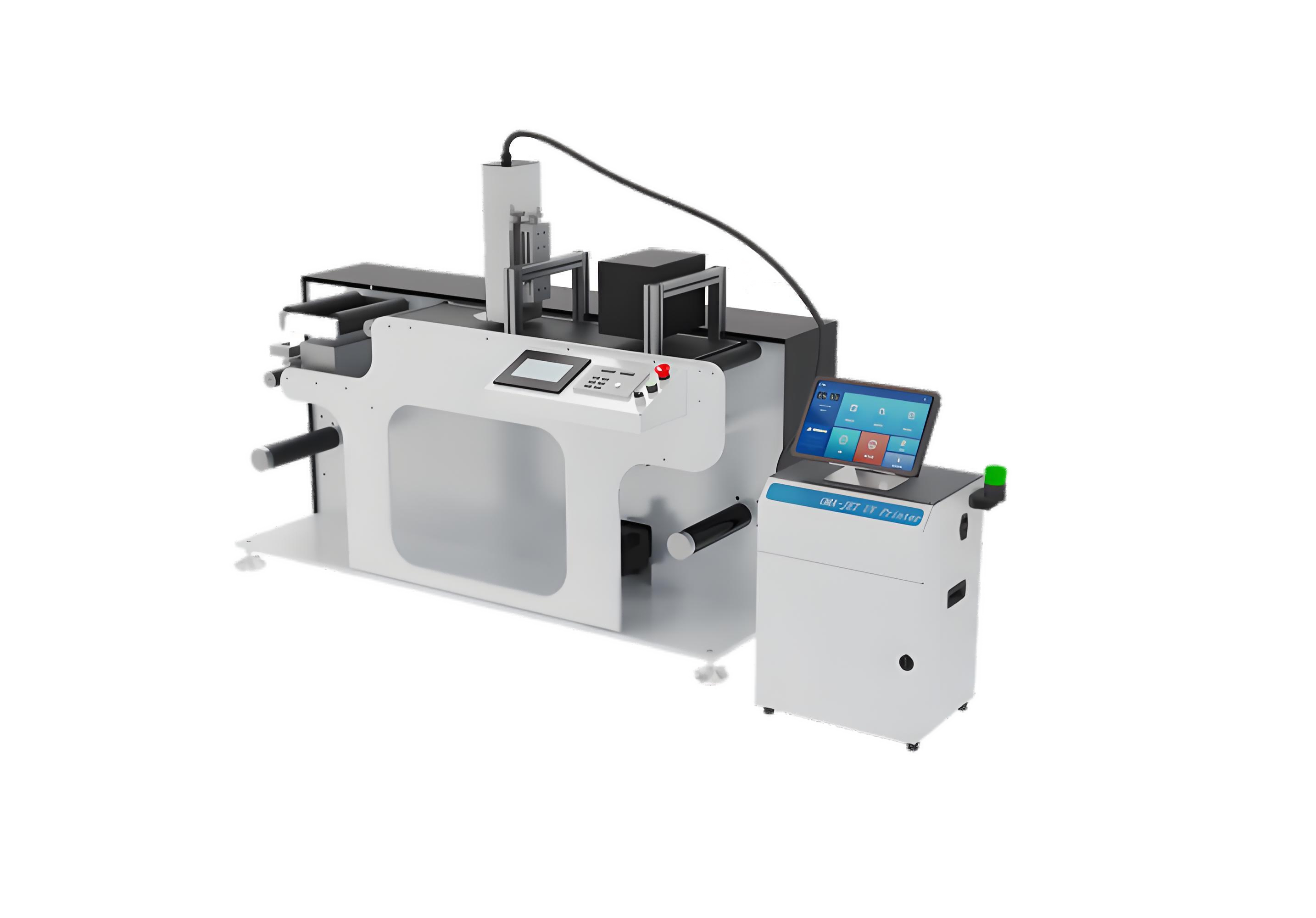
It was never just the print giants that pushed digital imaging forward. In a cramped workshop outside Stuttgart, a former inkjet engineer spent three years rewiring a salvaged Mutoh chassis to handle a new piezoelectric waveform she’d prototyped in Python. The result—a drop placement accuracy that rivaled million‑dollar industrial presses—caught the attention of a Milanese textile house looking to print on silk without a single dot out of register. Stories like hers repeat across the industry: the people who tinker with nozzle geometries on a Friday night, or the fluid dynamics PhD who spends weekends whipping up graphene‑doped inks in a kitchen‑cum‑lab. They rarely make the headlines, but their fingerprints are all over the halftones of every billboard and bespoke garment we see.
The real strides often come from a disdain for the “good enough.” Take the stubborn materials problem: for years, printing on curved, textured, or heat‑sensitive surfaces meant sacrificing either adhesion or vibrancy. A small team in Osaka traded traditional acrylic binders for a plant‑derived compound that blooms under UV, creating a nanoscale lattice that grabs onto glass, leather, and raw wood without pretreatment. Their patent, rejected twice by major licensors, now underpins limited‑edition cosmetics packaging and the interiors of a certain electric coupe. It’s a pattern—breakthroughs get orphaned until a niche manufacturer, often a dozen people in a repurposed warehouse, bets on them because they can’t afford not to.
Beyond the hardware, the quiet revolution lives in the code that drives the printheads. A British startup, born from a failed underwater drone project, applied turbulent flow algorithms to predict and correct micro‑clogging mid‑run. They can fire a half‑billion droplets before a single nozzle misfires, which meant a shift from scrap‑and‑reprint to zero‑waste production for a Welsh‑flag maker. That kind of obsessive efficiency—where a firmware update eliminates the need for a heated platen—gets no conference applause. It’s simply how the people who actually build these machines think: a permanent refusal to accept that today’s resolution or throughput is a hard ceiling. The digital print landscape isn’t shaped by one big invention, but by the incremental, borderline‑obsessive acts of makers who refuse to let the ink dry on the status quo.
From Batch to On-Demand: Redefining Supply Chains with Digital Print
The shift from batch production to on-demand printing cuts inventory waste and speeds turnaround. Short runs become both viable and cost-effective, letting companies respond to market shifts without holding months of stock. This model turns a reactive supply chain into a nimble one, matching production to actual demand in near real time.
Digital print technology dissolves traditional constraints—no plates, no long setup, no minimum order quantities. Brands can refresh designs continuously, test new markets with minimal risk, and customize at scale. The result is a supply chain that prizes flexibility over volume, reducing overproduction and the hidden costs of warehousing obsolete products.
Adopting an on-demand mindset rethinks supplier relationships and fulfillment logistics. Instead of pushing goods through rigid channels, businesses pull orders from a digital-first workflow that integrates with e‑commerce and dropshipping. Ultimately, this approach makes supply chains more resilient, sustainable, and precisely aligned with what customers want, when they want it.
Customization in Real-Time: The Speed Advantage of Digital Printing
In traditional printing, personalization often meant stopping the press, swapping plates, and recalibrating—a process that could take hours or even days. Digital printing shatters that bottleneck by allowing on-the-fly modifications. Whether it's swapping a name on a label or tweaking a design element for a targeted audience segment, the digital workflow handles changes in seconds rather than hours. This agility isn't just about saving time; it's about enabling a new level of mass customization where every piece can be unique without sacrificing throughput.
The real magic happens when we look at production timelines. A conventional offset run might require several days from file approval to finished product, but digital presses can start printing minutes after receiving final artwork. Variable data printing takes this even further: imagine a direct mail campaign where each postcard features a recipient's name, location-specific imagery, and a personalized offer—all generated at full press speed. There's no need to slow down for data merging, because the digital engine processes each record in real time, keeping pace with the hardware's maximum rated output.
This speed advantage extends beyond the press itself. Digital files eliminate the physical intermediate steps—no film, no plates, no lengthy wash-up cycles between jobs. Setup is virtually instantaneous, which means short runs and one-offs become economically feasible. For businesses, that translates into faster time-to-market, reduced inventory waste, and the capacity to react to trends within hours rather than weeks. The result is a responsive manufacturing model where the question isn't "Can it be customized?" but rather "How fast do you need it?"
Breaking Industry Barriers: Where Digital Printing Fits in Unexpected Sectors
The art world has long been synonymous with meticulous handcraftsmanship, yet digital printing is quietly reshaping creative boundaries. From reproducing intricate brushstrokes on textured canvases to enabling artists to experiment with mixed media at scale, the technology delivers precision without sacrificing authenticity. Galleries now commission limited-run prints that rival originals in detail, while independent creators bypass traditional gatekeepers to sell directly to collectors, blurring the line between fine art and accessible design.
In medical manufacturing, where customization can mean the difference between recovery and complication, digital printing carves a critical niche. Patient-specific surgical models, 3D-printed from MRI data, let surgeons rehearse delicate procedures beforehand. Orthodontic aligners and prosthetic sockets are tailored to individual anatomy in hours rather than weeks, reducing waste and improving comfort. Even bioprinting explores printing living cells, hinting at a future where organs are manufactured on demand.
Agriculture might seem an unlikely beneficiary, yet digital printing sprouts fresh possibilities. Seed-embedded biodegradable films printed with precise spacing patterns optimize planting density without heavy machinery. Farmers use sensors printed directly onto leaves to monitor hydration and nutrient uptake in real time, transmitting data to mobile devices. Meanwhile, customized packaging printed with antifungal coatings extends shelf life for small-scale growers, slashing post-harvest losses in regions where refrigeration is scarce.
Sustainability Meets Custom Manufacturing: The Eco-Friendly Edge of Digital Print
Traditional manufacturing often struggles with overproduction and material waste, but digital printing flips the script by enabling precise, on-demand output. Instead of churning out massive batches that may never sell, companies can now produce exactly what's needed, when it's needed. This shift doesn't just cut clutter—it dramatically lowers the amount of raw resources, energy, and water consumed during production.
Beyond reducing physical waste, digital print allows for decentralized production, meaning items can be created closer to their final destination. This localization shortens supply chains, trims transportation emissions, and encourages the use of more sustainable substrates like recycled or biodegradable materials. The result is a custom manufacturing process that feels less like industrial excess and more like a thoughtful, planet-minded craft.
FAQ
Digital printing machine makers are at the forefront, enabling faster, more flexible, and cost-effective production of personalized goods.
Unlike traditional methods that require expensive tooling and long setup times, digital printing allows for quick changeovers and on-demand production without minimum order quantities.
Industries like fashion, packaging, automotive interiors, and home decor are seeing significant transformation, as they can now offer mass customization and rapid prototyping.
Digital printing reduces waste by eliminating plates and screens, and enables local production, cutting down on transportation emissions and overproduction.
They're integrating advanced design tools and AI-driven personalization platforms, allowing customers to tailor products in real-time and streamlining the workflow from design to print.
Key challenges include ensuring color consistency across different materials, maintaining high-speed production without sacrificing quality, and educating the market about the technology's capabilities.
Absolutely. The lower barrier to entry—no need for large inventories or huge capital investment—allows small brands to compete by offering unique, customized products directly to consumers.
Conclusion
The rise of digital printing machine makers is fundamentally reshaping custom manufacturing, taking it far beyond the limits of mass production. These innovators are building systems that let brands offer true personalization at scale—think made-to-order apparel with unique graphics, or packaging that changes design with every batch. Behind this shift are relentless advances in printhead technology, ink chemistry, and workflow software, enabling machines that handle variable data as smoothly as a static run. Production is no longer tied to minimum order quantities; instead, supply chains pivot to on-demand models, slashing inventory waste and letting companies respond to trends in days, not months. Real-time customization also delivers a speed advantage that traditional setups simply can't match, whether it's printing customized labels on a bottling line or altering product decor mid-run without stopping.
Breaking free from its graphic roots, digital print now penetrates unexpected sectors: automotive interiors with personalized trim, custom ceramics for hospitality, or medical devices with patient-specific instructions. The technology blends seamlessly with sustainability goals, too. By eliminating plates, reducing setup waste, and using eco-friendly inks, machine makers offer a cleaner alternative to analog methods. Waterless processes and recyclable toners further shrink the environmental footprint. As these machines grow faster and more versatile, they empower manufacturers to fuse creativity with responsibility. Ultimately, the next wave of custom manufacturing isn't just about what you can produce—it's about reimagining how, where, and when things get made, all driven by the relentless ingenuity of the companies building these digital print engines.
Contact Us
Contact Person: Jacky
Email: [email protected]
Tel/WhatsApp: 086 15000607053
Website: https://www.danmajet.com