

Custom Dual Pole Solar Mounting Solutions in China: Enhancing Renewable Energy Efficiency
2026-01-12
In the rapidly evolving landscape of renewable energy, solar power stands out as a beacon of innovation and sustainability. As China continues to lead the charge in solar adoption, the demand for efficient and adaptable mounting solutions has never been higher. Enter custom dual-pole solar mounting systems—a game-changer that maximizes energy capture and durability, even in challenging environments. At Energet Solar, we are at the forefront of this movement, crafting bespoke solutions that seamlessly integrate with diverse terrains and architectural designs. Dive into this blog to discover how these advanced systems are revolutionizing renewable energy efficiency in China, and learn why Energet Solar is your trusted partner for cutting-edge solar innovation. Get ready to explore the future of sustainable energy, where every installation tells a story of precision and performance.
Innovative Dual Pole Designs for Solar Installations
The push for more efficient land use in solar farms has sparked ingenious solutions, one of which is the dual pole design. This approach involves mounting solar panels on two independent poles instead of a single, traditional structure, allowing for greater flexibility in terrain adaptation. For instance, in hilly or uneven landscapes, dual poles can be adjusted at different heights and angles to maximize sun exposure without extensive grading. This not only reduces environmental disruption but also cuts down on installation costs, making solar energy more accessible in challenging locations.
Another standout feature of dual pole systems is their enhanced durability in harsh weather conditions. By distributing the load across two support points, these designs offer superior stability against high winds, heavy snow, or seismic activity compared to single-pole setups. This resilience translates to longer lifespans and lower maintenance needs, a critical factor for investors and operators looking to optimize long-term returns. Countries like Japan and regions prone to storms are increasingly adopting such designs to ensure reliable energy production year-round.
Beyond practicality, dual pole configurations open up creative possibilities for integrating solar installations into urban or agricultural settings without dominating the landscape. They can be spaced to allow light penetration for crops in agrovoltaic systems or designed with aesthetic poles that blend into architectural environments. This versatility helps overcome NIMBY (Not In My Backyard) concerns, fostering community acceptance and expanding solar adoption beyond traditional rural farms to rooftops, parking lots, and even artistic public spaces.
Tailoring Solutions to China's Diverse Climatic Conditions
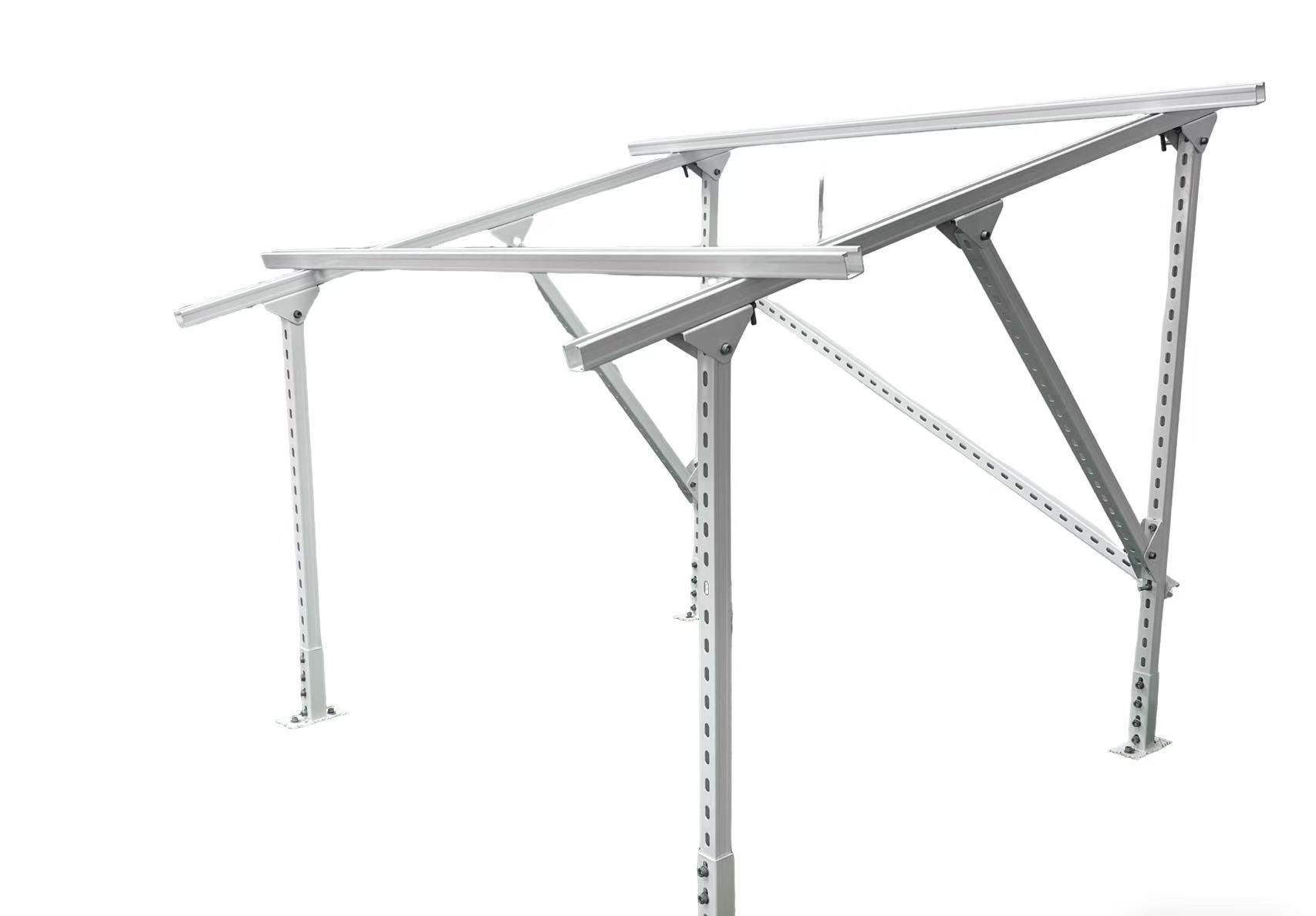
China's vast landscape spans from the icy tundras of the north to the tropical rainforests in the south, presenting a unique challenge for industries and communities aiming to thrive across these varied environments. To address this, tailored solutions have become essential, not just for agricultural practices but also for urban planning and energy efficiency. By leveraging local climate data and indigenous knowledge, strategies can be designed to mitigate extreme weather impacts, such as flooding in the Yangtze River basin or sandstorms in the Gobi Desert. This localized approach ensures that interventions are not only effective but also sustainable in the long run.
In recent years, there has been a shift towards integrating adaptive technologies that respond to China's climatic diversity. For example, smart irrigation systems are being deployed in arid regions like Xinjiang to optimize water usage, while in humid areas like Guangdong, advanced ventilation and cooling techniques help combat heat stress in buildings. These innovations highlight how customizing solutions to specific climate zones can enhance resilience and reduce resource waste. Moreover, collaboration between government bodies, researchers, and local stakeholders fosters a dynamic framework for continuous improvement and adaptation.
Ultimately, the success of these tailored approaches lies in their ability to balance economic development with environmental stewardship. As China continues to urbanize and face climate change pressures, solutions must evolve to include green infrastructure, such as energy-efficient housing in the northeast's cold winters or coastal protection measures against typhoons in the east. By embracing this diversity, China can set a global example of how to harmonize human activities with natural climatic conditions, paving the way for a more resilient and harmonious future.
Material Advancements in Solar Mounting Systems
In recent years, the evolution of materials used in solar mounting systems has significantly boosted their performance and durability. Innovations such as high-strength aluminum alloys and galvanized steel have become standard, offering lightweight yet robust solutions that withstand harsh environmental conditions. These materials not only enhance structural integrity but also reduce installation time and costs, making solar projects more feasible in diverse settings.
Beyond traditional metals, advanced composites and engineered plastics are emerging as game-changers in the industry. These newer materials provide superior corrosion resistance and thermal stability, which is crucial for long-term reliability in coastal or high-temperature areas. Their flexibility allows for more creative and efficient designs, enabling mounting systems to adapt to complex rooftops or uneven terrains without compromising safety or efficiency.
Looking ahead, the focus is shifting towards sustainable and recyclable materials that align with the eco-friendly ethos of solar energy. Developments in bio-based polymers and recycled metals are paving the way for greener mounting solutions. This progress not only minimizes the carbon footprint of installations but also sets a new standard for the entire renewable energy sector, driving innovation that balances performance with environmental responsibility.
Streamlining Installation with Modular Dual Pole Kits
Experience a new level of installation efficiency with modular dual pole kits, designed to simplify setup processes and reduce time on site. These kits are engineered for adaptability, allowing components to be easily swapped or expanded without requiring extensive reconfiguration. Whether you're working with electrical systems, structural frameworks, or specialized equipment, the modular approach ensures that each part fits seamlessly, minimizing errors and enhancing overall workflow.
By integrating dual pole functionality, these kits offer enhanced stability and reliability in applications where precision is critical. The design focuses on intuitive assembly, enabling even less experienced technicians to achieve professional results quickly. This not only speeds up project timelines but also reduces the need for repeated adjustments, saving resources and boosting productivity across various industries.
Beyond just saving time, modular dual pole kits contribute to long-term cost-effectiveness by reducing maintenance demands and extending the lifespan of installations. Their flexible nature means they can be customized to meet specific project requirements, ensuring a perfect fit every time. Embrace this innovative solution to transform complex installations into streamlined, hassle-free processes that deliver consistent, high-quality outcomes.
Integrating Wind and Snow Load Considerations
When it comes to structural design, factoring in wind and snow loads isn't just about following building codes—it's about ensuring stability in harsh conditions. Wind loads can push, pull, or even lift structures, while snow accumulation adds weight that varies with density and duration. Integrating these elements means analyzing worst-case scenarios, like a blizzard with high winds, to prevent failures that could compromise safety and durability.
Beyond standard calculations, innovative approaches involve site-specific data, such as local weather patterns and topography, to tailor designs. For example, in mountainous regions, snow loads might be higher on one side of a building, requiring asymmetric support. Similarly, wind patterns around urban structures can create turbulence, demanding dynamic modelling rather than static assumptions. This proactive integration helps mitigate risks like roof collapse or structural fatigue over time.
Ultimately, balancing wind and snow considerations leads to more resilient and cost-effective projects. By simulating loads through advanced software or scaled testing, designers can optimize materials and shapes, reducing over-engineering without sacrificing safety. This holistic view not only meets regulatory standards but also enhances long-term performance, making structures adaptable to changing climate extremes.
Promoting Sustainable Energy Harvesting with Custom Fits
Custom fits play a pivotal role in advancing sustainable energy harvesting by tailoring solutions to specific environmental and operational contexts. Unlike one-size-fits-all approaches, these tailored systems maximize efficiency and adaptability, ensuring that renewable energy sources like solar panels or wind turbines are integrated seamlessly into diverse settings. This approach not only enhances energy capture but also reduces waste and maintenance costs, making sustainability more accessible and practical across various industries.
One standout example is the use of custom-designed solar arrays in urban areas, where space constraints and shading issues often hinder traditional installations. By developing bespoke configurations, engineers can optimize photon absorption and energy output, even in challenging environments. This innovation is transforming cities into greener hubs, proving that with the right fit, renewable energy can flourish anywhere, from rooftops to roadside installations.
Ultimately, promoting custom fits in energy harvesting fosters a mindset of creativity and resilience, encouraging continuous improvement and adaptation. As technology evolves, these personalized solutions are becoming more affordable and scalable, empowering communities and businesses to take charge of their energy futures. This shift towards customization is not just about technology—it's about building a more sustainable and responsive world, one tailored solution at a time.
FAQ
Dual pole systems allow for greater flexibility in panel positioning, optimizing sunlight capture across varied terrains in China, which can boost energy output by up to 20% compared to standard setups.
They're tailored to China's diverse climates and urban constraints, using durable, corrosion-resistant materials like galvanized steel, ensuring long-term reliability and minimal maintenance.
Yes, custom designs incorporate robust engineering with reinforced poles and adjustable angles, tested to withstand high winds and heavy snow loads, meeting local safety standards.
While initial costs may be slightly higher, customization reduces long-term expenses by enhancing efficiency and durability, with installation times optimized through modular components.
Regular inspections for corrosion and debris are recommended, but low-maintenance designs with protective coatings and self-cleaning features minimize upkeep, especially in polluted or humid areas.
By improving solar panel stability and efficiency, they maximize clean energy generation, helping China meet its targets for increased renewable capacity and lower greenhouse gas emissions.
Yes, government subsidies and green energy initiatives often favor efficient, durable systems, making custom solutions financially attractive through tax breaks and funding programs.
Recent advancements include smart tracking systems for dynamic sun alignment and lightweight, recyclable materials to reduce environmental impact, adapting to China's fast-evolving tech landscape.
Conclusion
Custom dual pole solar mounting solutions in China represent a significant advancement in renewable energy infrastructure, focusing on innovative designs that enhance stability and adaptability.These systems incorporate dual pole structures to withstand diverse climatic conditions, from extreme cold in northern regions to high humidity in coastal areas.By tailoring solutions to China's specific environmental challenges, such designs improve energy harvesting efficiency through optimized positioning and durability.Material advancements, including corrosion-resistant alloys and lightweight composites, further bolster these systems, ensuring long-term performance even in harsh weather.This approach not only supports sustainable energy goals but also accelerates the adoption of solar technology across varied landscapes.
The integration of modular kits streamlines installation, reducing time and labor costs while allowing for scalable deployments.These kits facilitate quick assembly and customization, addressing unique site requirements and promoting flexibility in both urban and rural settings.Considerations for wind and snow loads are meticulously integrated into the design process, enhancing safety and reliability without compromising efficiency.By offering custom fits that align with local regulations and environmental factors, these solutions drive renewable energy efficiency forward, making solar power more accessible and impactful across China.The holistic focus on innovation, climate adaptation, and sustainability positions dual pole mounting systems as a key component in advancing the country's clean energy transition.
Contact Us
Contact Person: Simon
Email: [email protected]
Tel/WhatsApp: 8613672181100
Website: https://energetsolar.com/