

Copper and Aluminum: The Dynamic Duo Driving China's Non-ferrous Metals Industry Forward
2026-02-20
When it comes to powering China's non-ferrous metals industry, two metals stand out as true game-changers: copper and aluminum. Their unique properties and synergistic relationship have fueled innovation and growth in sectors ranging from construction to renewable energy. At GRM, we're at the forefront of leveraging this dynamic duo to push boundaries and drive efficiency. In this blog, we’ll explore how copper and aluminum are shaping the future of China’s industrial landscape and uncover the cutting-edge technologies that make it all possible. Get ready to dive into a world where metals don’t just support progress—they define it.
The Power of Copper: China's Industrial Backbone
Copper's versatility and conductivity have made it an indispensable material in China's rapid industrial expansion, quietly powering everything from high-speed railways to renewable energy projects. Beyond just wiring, it serves as a critical component in manufacturing sectors where heat exchange and corrosion resistance are paramount, such as in automotive cooling systems and chemical processing plants. This unassuming metal has thus formed a foundational layer of the nation's infrastructure, enabling technological advancements while often operating behind the scenes.
What sets China's copper industry apart is its integrated approach, combining extensive domestic mining with sophisticated recycling networks that mitigate reliance on volatile international markets. Unlike many economies that treat copper as a mere commodity, China strategically leverages it in sectors like telecommunications and electronics, where its properties enhance performance in 5G networks and semiconductor production. This strategic deployment illustrates how copper isn't just a raw material but a catalyst for innovation, supporting smarter cities and more efficient industrial processes.
Looking forward, the role of copper is evolving alongside China's green transition, where its applications in electric vehicles and solar panel manufacturing are driving sustainability goals. This shift underscores copper's dynamic nature—it's not only a historical backbone but also a forward-looking asset adapting to new demands. By investing in advanced alloys and efficient usage techniques, China is positioning copper as a key player in balancing industrial growth with environmental responsibility, ensuring its relevance in the global economy for decades to come.
Aluminum's Role in Shaping Modern Infrastructure
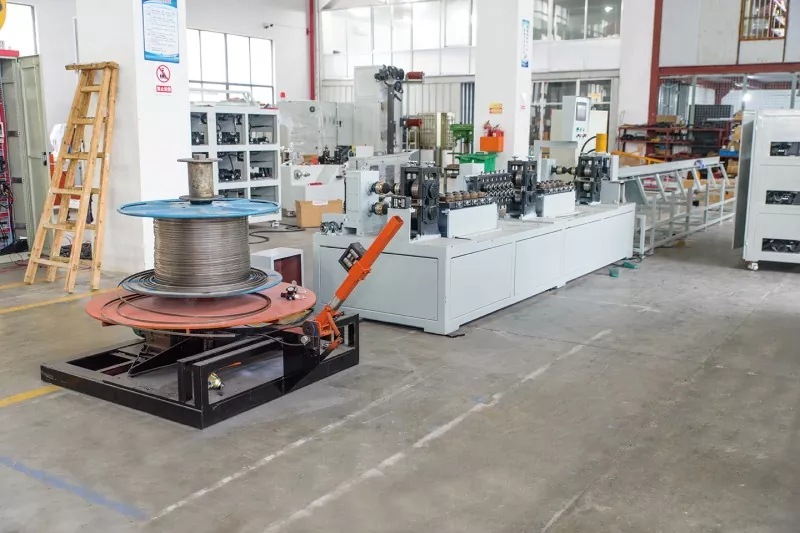
Aluminum's lightweight yet robust properties have fundamentally transformed how we build our world, from soaring skyscrapers to intricate transportation networks. Unlike heavier materials such as steel, aluminum allows for taller, more energy-efficient structures without compromising safety, as seen in iconic buildings like the Burj Khalifa. In bridges and roads, its corrosion resistance ensures longevity even in harsh climates, reducing maintenance costs over time. This adaptability has made aluminum indispensable in creating resilient, modern cities that can withstand both environmental and economic pressures.
Beyond construction, aluminum revolutionizes infrastructure through its role in sustainable energy systems. Wind turbines, solar panel frames, and power transmission lines increasingly rely on aluminum's conductivity and durability to harness renewable sources efficiently. The material's recyclability—requiring only 5% of the energy used in primary production—supports circular economies, cutting waste and carbon footprints. This synergy between performance and eco-friendliness positions aluminum as a cornerstone in the push for greener, more resilient infrastructure worldwide.
Mining and Refinement: Key Processes in Production
At the heart of production, mining and refinement form the foundational pillars that turn raw materials into valuable products. Mining involves extracting natural resources from the earth, whether it's coal from deep underground or rare earth elements from open pits, each method tailored to the specific demands of the material and environment. Meanwhile, refinement processes, such as smelting or chemical purification, take these raw extracts and enhance their quality, removing impurities to meet industry standards. Without these critical stages, modern manufacturing would grind to a halt, as they ensure a steady supply of essential inputs for everything from electronics to construction.
Beyond just extraction and cleaning, mining and refinement are highly technical endeavors that have evolved significantly over centuries. For instance, in mining, advancements like automated drilling and remote sensing have boosted efficiency while minimizing environmental impact. In refinement, techniques like electrolysis for metals or distillation for liquids allow for unprecedented levels of purity. These processes aren't just about brute force; they require precise control and innovation to optimize yield and reduce waste. By integrating cutting-edge technology, producers can achieve more sustainable outcomes, making these steps not only key to production but also to responsible resource management.
Ultimately, the synergy between mining and refinement drives the entire production chain, setting the stage for downstream activities. Consider how refined copper from mines powers electrical grids or how purified petroleum fuels transportation systems. Each step influences the final product's performance and cost, highlighting the importance of continuous improvement in these areas. As global demand for resources grows, mastering these processes becomes even more crucial, ensuring that production remains efficient, safe, and adaptable to changing market needs. In this way, mining and refinement aren't just operational tasks; they're strategic components that shape industrial progress.
Market Trends and Global Demand Influences
Navigating today's shifting market trends can feel like charting a course through unpredictable waters, where technological advancements and evolving consumer habits frequently redefine demand. For instance, as remote work becomes more entrenched, demand for digital collaboration tools has soared, while traditional office supplies see a decline. Such trends ripple across global supply chains, emphasizing the need for businesses to stay agile and anticipate these movements rather than merely reacting to them.
On a broader scale, geopolitical events and economic policies wield significant influence over global demand, shaping everything from commodity prices to consumer spending patterns. Take the push towards sustainability; it's not just a niche concern anymore but a major driver, pushing sectors like renewable energy and electric vehicles into the spotlight. Companies that align with these broader shifts often gain a competitive edge, as they tap into growing international markets and meet the expectations of a more conscious global audience.
Ultimately, understanding these influences requires a keen eye on both micro and macro factors, blending insights from local consumer behavior with global economic indicators. By doing so, organizations can craft strategies that not only respond to current trends but also position them to lead in future demand shifts, fostering resilience in an ever-changing world.
Technological Innovations Boosting Efficiency
In today's fast-paced business environment, technological innovations are fundamentally reshaping how organizations operate, driving unprecedented levels of efficiency across various sectors. From artificial intelligence and machine learning to automation tools, these advancements streamline workflows, reduce manual errors, and optimize resource allocation. For instance, AI-powered analytics enable real-time decision-making by processing vast datasets in seconds, while robotic process automation handles repetitive tasks, freeing up human employees for more strategic roles. This synergy between technology and human expertise not only accelerates processes but also enhances overall productivity, fostering a competitive edge in markets where speed and accuracy are paramount.
One standout example of efficiency-boosting innovation is the integration of cloud computing and IoT devices, which has transformed traditional industries like manufacturing and logistics. By connecting machinery and sensors to centralized platforms, companies gain granular insights into operations, predicting maintenance needs before breakdowns occur and minimizing downtime. This proactive approach slashes costs and improves output quality, as seen in smart factories where production lines self-adjust based on real-time data. Moreover, collaborative tools and remote work technologies have redefined workplace dynamics, enabling seamless communication and project management across global teams, thus cutting travel expenses and time wasted on coordination.
Beyond immediate operational gains, these innovations cultivate a culture of continuous improvement and adaptability. Technologies such as blockchain enhance transparency and security in supply chains, reducing inefficiencies from fraud or delays, while advancements in renewable energy tech, like smart grids, optimize power usage sustainably. By embracing these tools, organizations not only boost short-term efficiency but also build resilience for future challenges, ensuring they remain agile in an ever-evolving landscape. Ultimately, it's the thoughtful application of technology—tailored to specific needs—that unlocks lasting efficiency, making it a cornerstone for growth and innovation in the modern era.
Sustainability and Environmental Challenges Ahead
As we look toward the future, the pressing issues of sustainability and environmental degradation demand immediate and cohesive action. Every day, new reports highlight how climate change, deforestation, and plastic pollution are reshaping our planet in ways that threaten both ecosystems and human societies. It’s not just about melting ice caps or endangered species; it’s about ensuring clean air, safe water, and stable food sources for generations to come. Without collective efforts, these challenges could lead to irreversible damage, driving communities into vulnerability and exacerbating global inequalities. The time to act is now, as delay only deepens the crisis.
Beyond the well-known threats, there are subtler environmental hurdles that often slip under the radar, such as the loss of biodiversity in urban areas or the strain on natural resources from rapid technological growth. For instance, the push for renewable energy, while crucial, brings its own set of complexities—like the extraction of rare earth minerals that can harm local environments. This underscores the need for balanced solutions that don’t merely shift problems from one area to another. It’s about rethinking how we produce, consume, and dispose of goods, moving toward a circular economy where waste is minimized, and resources are reused creatively.
In light of these challenges, there’s a growing movement among individuals, businesses, and governments to forge new paths forward. Grassroots initiatives are sprouting up, from community gardens that combat food deserts to local bans on single-use plastics, showing that change often starts small. On a larger scale, international agreements and corporate pledges are setting ambitious targets, though their success hinges on genuine commitment and innovation, not just empty promises. The road ahead isn’t easy, but by fostering resilience and embracing adaptability, we can turn these obstacles into opportunities for a healthier, more sustainable world.
FAQ
Copper and aluminum serve as the backbone of China's manufacturing and infrastructure sectors, powering everything from electronics to construction with their unique conductivity and durability.
Demand has surged due to rapid urbanization and green energy initiatives, with aluminum use in electric vehicles and copper in renewable grids driving much of this growth.
Advances like AI-driven smelting and closed-loop recycling systems are boosting efficiency while reducing environmental impact, positioning China as a leader in sustainable metal processing.
Their complementary properties—copper's superior conductivity and aluminum's lightweight strength—make them indispensable together for modern applications like high-speed rail and smart grids.
By investing in domestic production and green tech, China aims to secure supply chains for key industries while cutting carbon emissions through energy-efficient practices.
Fluctuating global prices, trade tensions, and the need for skilled labor pose hurdles, but strategic reserves and R&D investments help mitigate these risks.
Conclusion
China's non-ferrous metals industry is powerfully driven by copper and aluminum, truly dynamic duo. Copper serves as the industrial backbone, essential for electrical systems and electronics, while aluminum shapes modern infrastructure through its lightweight, durable properties in construction and transportation. The synergy of these metals supports key processes like mining and refinement, ensuring efficient production. Market trends reflect their global demand, influenced by technological innovations that boost efficiency, yet sustainability and environmental challenges remain ahead, requiring continuous adaptation and improvement in practices.
Contact Us
Contact Person: Rayna
Email: [email protected]
Tel/WhatsApp: 86 -173 1474 6343
Website: https://www.grmrollingmill.com/