

Concrete Formwork Exporters Worth Partnering With for Your Next Build
2026-11-22
Finding concrete formwork exporters worth partnering with for your next build is rarely as simple as comparing unit prices. The real test starts when a shipment clears customs and the system has to perform on a tight floor cycle. That’s why this list focuses on exporters with a track record in delivery, dimensional accuracy, and site-level support — and why GETO belongs in the conversation.
How Delayed Formwork Deliveries Quietly Eat Into Project Margins
When column and slab formwork shows up three days late on a mid-rise concrete job, the obvious cost is usually framed as a delivery problem. The crew gets shifted to a less productive task, the pour date slides, and the schedule absorbs another small hit. What gets overlooked is how that single delay compresses the window for follow-on trades. Electricians and plumbers arrive as planned, find no deck ready, and either stand idle or leave for another site. Either way, the general contractor pays for the disruption twice: once in straight labor downtime and again in rescheduling coordination that never appears on a single invoice.
The quieter drain comes from the way late formwork forces crews to accelerate once it does arrive. Concrete schedules are not elastic in most buildings; the topping-out date and tenant fit-out milestones are already locked. So crews work a weekend, overtime kicks in, and the pour happens with fewer people checking alignment and bracing because the inspection window was cut short. That is where rework creeps in. A wall poured out of tolerance might pass a rushed visual check but later costs far more to patch, grind, or rebuild than the original formwork delivery fee ever covered.
There is also a cash-flow effect that rarely shows up in a margin review. Material invoices hit the books when the truck arrives, but the work tied to that material cannot be billed until the concrete is placed and cured. A two-week delay on formwork for a podium deck can push a progress payment into the next month, forcing the contractor to carry labor and site overhead longer. Small gaps like this compound across a project, and by the time the final buyout is negotiated, the true cost of a few late deliveries has already been absorbed into lower-than-expected retention release and stretched supervision hours.
What Experienced Site Managers Look for in an Export Partner First
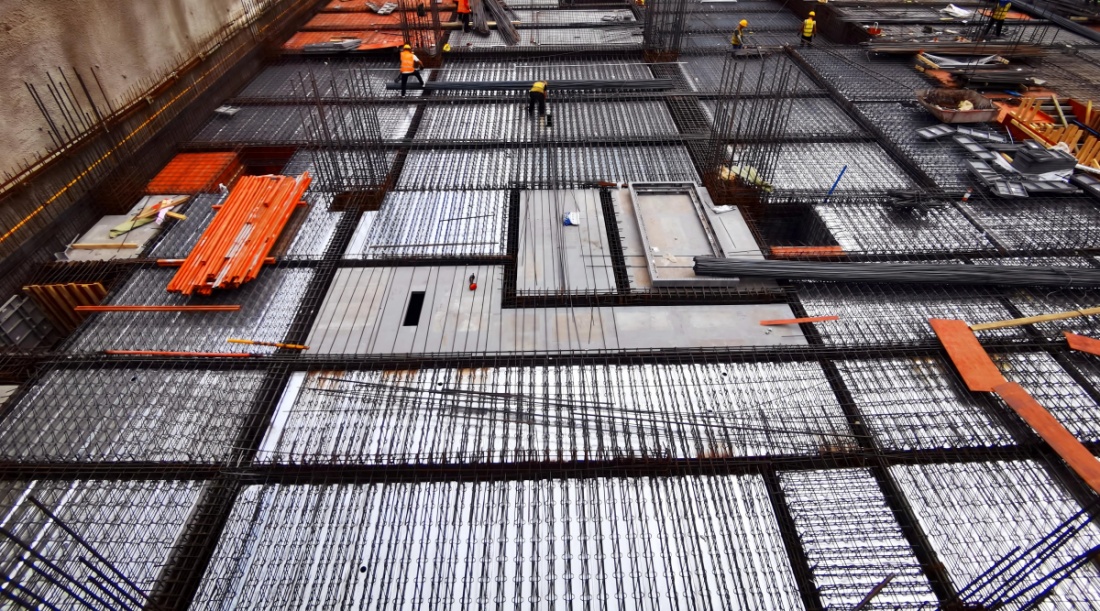
Experienced site managers rarely start with price sheets or brochures. They start with a single question about whether this partner will make the next six weeks easier or harder. That means they notice how quickly a supplier asks about delivery sequencing, access hours, and on-site storage before quoting a rate. The ones who get the work are the ones who talk like someone who has actually stood on a wet jobsite and waited for a container that did not arrive.
There is also an unspoken test around paperwork and problem ownership. A seasoned manager can tell within two emails whether an export partner will flag a missing document early or quietly let customs hold a shipment. What earns trust is not a perfect record; it is the habit of sending a short update before being chased. If a potential partner mentions realistic lead times, buffer days, and who to call when something breaks, that carries more weight than any polished capability statement.
When Aluminum Formwork Makes More Sense Than Steel and When It Does Not
Aluminum formwork often wins on projects where the same floor plan repeats dozens of times. Because the panels are factory-made to tight tolerances and light enough to move by hand, crews can strike, reset, and pour faster than they would with heavier steel systems. The upfront cost only makes sense when that speed can be captured across many cycles; otherwise the initial fabrication bill sits there like an unused gym membership.
Steel still earns its keep when the structure gets brutal: long spans, deep beams, heavy slab loads, or rough site handling. A steel panel can shrug off dents and abuse that would knock an aluminum panel out of tolerance. If the project has only a few pours, or if the design changes mid-flight, steel is also easier to modify on site with simple welding and cutting, whereas aluminum repairs tend to be more finicky and less forgiving.
The real deciding factor is not material pride but repetition and load. Aluminum suits high-rise residential towers, hotels, and any layout with identical units stacked floor after floor. Steel suits one-off industrial work, massive transfer decks, or jobs where the formwork will be rented, returned, and beaten up over many different sites. Choose the material that matches the rhythm of the pour, not the one that looks better in a brochure.
The Hidden Logistics Costs Behind Concrete Formwork Quotes
Concrete formwork pricing often looks tidy on paper until the first truck has to idle outside a site gate for forty minutes. The quoted panel rate rarely reflects what happens when a narrow access road forces a smaller delivery vehicle, when a tower crane is tied up on another pour, or when the unloading crew is still tying rebar on the floor above. Those minutes translate into standby charges, extra handling, and rushed phone calls to dispatch.
Formwork also moves more than most people expect. A single set of panels can travel from the yard to the site, get hoisted into position, then head back for cleaning and repair before the next cycle. Each leg of that trip burns fuel and labor, and if the site has no proper laydown area, someone has to double-handle beams, props, and plywood faces. Forklifts and cranes may sit waiting while the truck is blocked by a concrete mixer or a pile of excavated soil.
Returns add another layer that quotes seldom spell out. Rental terms can include pickup fees, cleaning charges, damage assessments, and daily rates that keep running until every tie and wedge is counted back into the yard. A half-empty return truck still costs nearly as much to run, and that expense gets spread across fewer usable components. Unless those logistics are pinned down before signing, a lower formwork quote can quietly become the more expensive option.
Why Some Exporters Welcome On-Site Inspections While Others Avoid Them
Some exporters treat an on-site inspection as a routine extension of their own quality controls. Their production lines are already documented, raw material storage follows clear rotation rules, and finished goods are stacked away from high-traffic areas. For them, a buyer's inspector is not a threat but a second pair of eyes; the visit often catches small deviations before they become costly claims. These companies usually have stable sub-supplier networks and enough staff to walk the inspector through each process without scrambling.
Others avoid inspections because the factory floor would raise questions they cannot easily answer. A trading company that relies on multiple outside workshops may not be able to show consistent stitching, welding, or assembly standards under one roof. Some manufacturers work with thin margins and rush orders, so a fixed inspection date feels like a disruption rather than a safeguard. There are also operations where capacity is overstated in pre-shipment documents, and an inspector with a measuring tape can expose that gap in half an hour.
The difference often comes down to whether the exporter sees inspection as a cost or as evidence. Buyers do not need perfect facilities; they need predictable risk. Exporters that understand this prepare a clean sample area, keep records accessible, and let the inspector verify what was promised. Those that avoid the visit may still ship acceptable goods, but they lose the chance to turn compliance into a selling point.
Red Flags That Separate Brokers from Real Formwork Manufacturers
A broker can usually walk you through a catalog, but they rarely have answers for what happens when the pour goes wrong. Ask about concrete pressure calculations, tie spacing, or how their panels behave with high-frequency vibration and the conversation often shifts to pricing and delivery timelines. A real formwork manufacturer will talk about steel grade, face sheet thickness, edge profiling, and the exact deflection limits their system was tested against before it ever reached a job site.
Another tell is what happens after the invoice clears. Brokers tend to disappear once the shipment is signed for, or they route every technical question back to an unnamed factory. Manufacturers carry design files, production batch records, and replacement part inventories. If the person on the other end cannot send you a shop drawing or tell you whether a clamp from three years ago still fits your current panels, you are probably not dealing with the source.
FAQ
Beyond the catalog, you want someone who asks about pour height, cycle time, and site logistics before quoting. If they can talk through tie hole spacing, deflection limits, and stripping sequence without hesitation, that usually signals they have handled real pours rather than just shipping stock.
Ask for recent mill certificates, traceability for steel or plywood grades, and photos of identical systems from a current job. If possible, have a third-party inspector visit the yard to check weld finish, edge straightness, and packaging. It costs a little, but it is far cheaper than discovering twisted panels after the container is opened.
Turkey, China, South Korea, and parts of the Middle East all have well established manufacturers, but the country matters less than the individual plant. Within each region you will find a few exporters that build for demanding projects and many that do not. Shortlist by project references, not by flag.
Sometimes it reflects lower local overhead or a thinner margin, but more often it means lighter steel sections, reduced bracing, or cheaper face material. Ask for a detailed material breakdown and compare the weight per square meter. If they resist giving panel weights, that is a red flag.
Many can, but not all. The better ones keep an engineering team on staff and will adapt panel widths, corner pieces, and propping layouts to your drawings. Request a shop drawing set before paying the deposit. That gives you a clear sense of whether they are engineering the system or just pulling from inventory.
Keep the first order small but meaningful: one full room system, a few corners, and the most demanding pour section, rather than a token sample. This lets you test accuracy, finish quality, and handling at scale without betting an entire project on an unproven supplier.
More important than many contractors expect. If a connector is missing or a panel is damaged, you need a supplier who will send replacements quickly and help with rigging or assembly questions over video. Check their response time during the quotation stage. Slow answers before payment rarely become fast answers after payment.
Conclusion
A dependable formwork exporter protects more than your concrete schedule; it shields you from the slow bleed of delayed deliveries. Late shipments rarely show up as one large loss. They surface through idle crews, extended crane rental, and handover dates that slip further each week. That is why seasoned site managers ask about raw material stock, actual production lead times, and port congestion before they compare unit prices. They also dig into whether the exporter runs its own factory. A genuine manufacturer can walk you through welding standards, panel tolerances, and quality checks without hesitation. A broker usually replies with polished brochures and vague delivery promises, and the difference shows up on site within weeks.
Material choice matters just as much as the supplier behind it. Aluminum formwork tends to pay off in repetitive high-rise work, where lower weight speeds up cycle times and cuts labor hours. For smaller pours, heavy loads, or rough handling, steel often remains the more sensible buy, even if it is heavier to move. Quotes can also hide extra freight costs, including port charges, customs exams, packaging upgrades, and final-mile trucking. An exporter worth keeping will reveal these numbers early and adjust the package to your site access. They will also open their workshop to inspection, whether in person or by live video. If a supplier dodges that request, you are probably dealing with an intermediary rather than the factory floor. Good partnerships form when the full cost picture and the production reality line up.
Contact Us
Contact Person: Quanhui Nian
Email: [email protected]
Tel/WhatsApp: 8618070545691
Website: https://www.getoglobal.com/