

Blast Freezer Company: Pioneering the Future of Quick Freezing
2026-05-18
In an era where speed and quality define food preservation, blast freezing has emerged as a game-changer for industries ranging from seafood to baked goods. But what sets a true pioneer apart in this fast-evolving field? This blog takes you behind the scenes of a blast freezer company that’s not just keeping pace with the future—it’s defining it. Along the way, we’ll explore how Worldbase supports such innovation with advanced cooling solutions that push the boundaries of efficiency and reliability.
Redefining Speed in Food Preservation
For ages, preserving food meant slowing down decay with salt, smoke, or ice cellars—methods that worked but often sacrificed texture and taste. Today, the idea of speed has upended that approach. Instead of gradual processes, we now harness techniques that halt spoilage almost instantly, catching freshness in mid-stride.
Flash freezing exemplifies this shift, lowering temperatures so rapidly that ice crystals remain tiny, leaving cell walls intact. High-pressure processing, too, neutralizes pathogens in seconds without heat, keeping raw flavors vivid. These aren't just faster versions of old ideas; they rethink the timeline of preservation entirely, making minutes count as much as months.
What gets saved when speed is prioritized is more than just shelf life. It's the crunch of a just-picked berry, the bright colour of fresh juice, the subtle aroma that time usually blunts. By compressing the window between harvest and stability, we're not merely preserving—we're borrowing against rot, giving food a second chance at its prime.
How Rapid Freezing Locks in Freshness
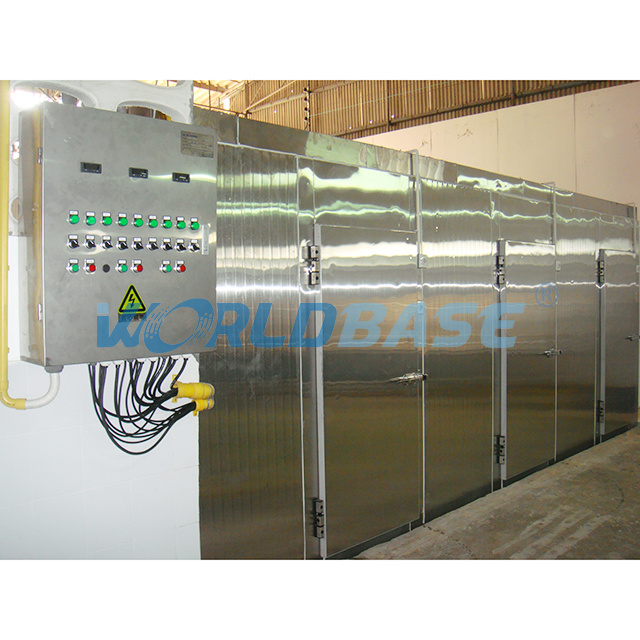
Rapid freezing works by quickly lowering the temperature of food so that water molecules form tiny, uniform ice crystals rather than the large, jagged ones that emerge during a slow freeze. Those minuscule crystals are gentle on cell walls, preserving the structural integrity of fruits, vegetables, and proteins. As a result, texture, color, and nutrients stay remarkably close to their just-harvested or just-caught state, so when you thaw the item, it doesn’t turn mushy or lose its vibrant appeal.
Beyond texture, speed also halts enzymatic and microbial activity almost instantly. In conventional freezing, the gradual temperature drop gives enzymes and bacteria a window to continue breaking down food, leading to off-flavors and nutrient degradation. With rapid freezing, the core of the product dives below the danger zone in minutes, locking in the natural taste and aroma as if time itself were suspended. This is why flash-frozen produce can actually surpass “fresh” items that have spent days in transit, slowly deteriorating.
The secret lies in modern techniques like blast chillers and cryogenic freezing, which use extremely cold air or liquid nitrogen to achieve record-breaking cooling rates. These technologies ensure that even delicate items—leafy greens, berries, seafood—retain their just-plucked quality. When you open a pack of rapidly frozen peas months later and find them still bright, firm, and sweet, you’re experiencing the quiet mastery of instant preservation, a process that demands precision but rewards with uncompromised freshness.
A Seamless Journey from Harvest to Plate
The moment produce leaves the field, every minute counts. Instead of sitting in storage or bouncing between intermediaries, our harvests move directly to a nearby processing hub where quality checks happen in real time. This isn’t about rushing—it’s about preserving that just-picked vibrancy, so by the time ingredients reach your kitchen, they still carry the honest character of the soil they came from.
Behind the scenes, a carefully choreographed logistics network quietly does its work. Chill chains activate within hours of picking, and packaging is designed not just for protection but for smart handling—minimizing touchpoints, reducing bruising, and keeping everything in motion toward the next stage. It’s a rhythm that farmers and artisans have refined together, blending intuition with modern precision so nothing gets lost in transition.
What arrives on the plate tells the whole story. The crisp edge of a freshly cut green, the depth of a sun-ripened tomato—these are not accidents. They come from a system that respects the harvest, treats transport as an extension of the farm, and ultimately trusts the ingredient to speak for itself. No fillers, no detours, just a straightforward passage from the people who grow to the people who savor.
Energy-Efficient Design for Lower Operational Costs
Designing facilities with energy efficiency in mind directly pares down ongoing expenses. By integrating advanced insulation, smart HVAC systems, and natural lighting, buildings consume far less power for heating, cooling, and illumination. These choices not only slash monthly utility bills but also reduce wear on equipment, stretching maintenance intervals and replacement cycles. Over time, the savings compound, freeing up capital that would otherwise vanish into routine overhead.
Operational efficiency extends beyond the hardware. Thoughtful layout and workflow optimization minimize unnecessary movement, while automated controls adjust energy use based on real-time occupancy and environmental conditions. This adaptive approach curbs waste without sacrificing comfort or productivity. It’s a quiet shift in mindset—treating energy not as a fixed cost, but as a variable that smart design can tame.
The financial upside becomes clear when comparing long-term performance. A building conceived with energy-smart principles often costs more upfront, yet the payback period keeps shrinking as energy rates climb. Tenants and owners alike notice the difference in leaner operating statements, making the property more competitive without relying on gimmicks. In the end, energy-efficient design isn’t just about being green—it’s a calculated move to keep more money in the bank.
Tailored Freezing Solutions for Any Industry
Every industry faces distinct preservation challenges, and a one-size-fits-all freezer simply doesn’t cut it. Whether you’re storing delicate biological samples that demand ultra-low temperatures or flash-freezing food products to lock in freshness, the right system adapts to your workflow. We design freezing solutions that account for your space constraints, load patterns, and temperature stability needs, ensuring that what you save today retains its integrity tomorrow.
From pharmaceutical labs to large-scale food processing plants, the variables are endless: humidity control, recovery time after door openings, energy efficiency, and even the layout of your facility. Our approach starts with understanding these details, then engineering a setup that fits seamlessly. The result is not just a piece of equipment, but a tailored system that works as hard as you do, minimizing waste and maximizing product quality over time.
Beyond the technical specs, we prioritize intuitive monitoring and easy maintenance so your team can focus on their core work. With flexible configurations and scalable designs, you get a solution that grows with you. That’s the difference between a generic cold box and a purpose-built freezing environment—one that truly understands the demands of your line of work.
The Engineering Behind Consistent Quality
Precision starts well before production. Every critical dimension and material property is anchored to a defined tolerance band that's been validated through extensive capability studies. These limits aren't pulled from a handbook—they're derived from statistical analysis of how equipment, environments, and operators behave under routine stress. Once set, the boundaries become the foundation for every process control chart, alarm trigger, and automated adjustment routine that keeps variation in check.
Automation is often cited as the fix, but the real workhorse is the feedback loop. In-line sensors capture data at millisecond intervals, comparing actuals against standards and feeding deviations straight into compensation algorithms. The same logic applies across disciplines: in metal forming, adaptive tonnage controls counter springback; in software, canary deployments route a fraction of traffic through new code while monitoring error rates. What matters isn't the speed of correction but the fact that every correction leaves a trace—giving process owners a forensic trail to analyze later.
Beneath the technology sits a less glamorous truth: consistency decays unless someone cares. The engineers who design a line also monitor its yield trends, not out of obligation but because they've been handed the tools and the autonomy to act. When a raw material batch behaves differently, they spot it in the daily SPC review, correlate it with supplier data, and adjust upstream without waiting for a failure. That kind of vigilance turns quality from a specification-checking exercise into an evolving discipline—one where consistency is the natural byproduct of paying disciplined attention to the ordinary.
FAQ
We saw a gap in how food preservation was approached—traditional methods often compromise texture and taste. Our goal was to bring rapid, even freezing to businesses that care about quality, from small kitchens to large manufacturers.
It’s all about speed and precision. Our systems push cold air at high velocity to create tiny ice crystals, which protect cell walls. This means food retains its original flavor and structure, unlike slow freezing that can make things mushy.
Sure, one client uses them to preserve rare botanical specimens for research. The quick freeze locks in delicate compounds that would otherwise degrade. It’s not just about food—any field that needs instant stabilization benefits.
Convincing people to switch from what they know was tough. Many operators thought 'cold is cold.' We had to prove through side-by-side demos that faster freezing cuts waste and saves money in the long run.
We invest heavily in airflow dynamics and energy recovery. For instance, our latest model uses variable fan speeds that adjust to load density, so it’s not wasteful during off-peak times. That adaptability sets us apart.
Pharma has become significant—vaccine transport relies on ultra-rapid chilling. Also, art restoration teams use our units to treat infested wooden artifacts. The consistency is key for them.
I think we'll see modular, portable units that integrate with smart kitchens—imagine a freezer that orders its own maintenance parts. Sustainability will drive that, with natural refrigerants becoming standard.
People assume it’s only for big industrial plants. In reality, we’ve designed compact units for bakeries and butcher shops. You don’t need a factory floor to benefit from premium preservation.
Conclusion
At Blast Freezer Company, quick freezing isn't just about dropping temperatures—it's a complete rethinking of how we preserve food. Their systems redefine speed with precision cooling that halts cellular breakdown almost instantly, locking in texture, flavor, and nutrients that traditional methods slowly degrade. This isn't a one-size-fits-all process; each product's journey from harvest to plate is mapped meticulously, ensuring that delicate berries, hearty meats, or fragile pastries all retain their just-picked, just-made character. The result is food that tastes as fresh as the moment it was frozen, with a shelf life that doesn't compromise on quality.
Beyond performance, the engineering philosophy at Blast Freezer Company targets real-world operations. Energy-efficient designs slash long-term costs without sacrificing freeze power, and the machinery itself is built for seamless integration into any production line. Whether it's a small gourmet kitchen or a massive food processing plant, their tailored solutions adapt—not the other way around. Consistent output is engineered into every coil and airflow pattern, so batch after batch achieves the same peak condition. It's this marriage of adaptability, reliability, and frugal innovation that positions them at the forefront of the quick-freezing industry.
Contact Us
Contact Person: Mr Yang
Email: [email protected]
Tel/WhatsApp: +8613809083091
Website: https://en.worldbase.cn