

Bidirectional Power Modules in Germany: Unlocking Efficient Energy Conversion
2026-05-16
Germany's energy transition demands smarter power conversion than ever. Bidirectional power modules are stepping in to bridge the gap between renewable generation, storage, and efficient grid utilization. But what makes these modules truly stand out in a market flooded with one-way solutions? Enter TPS, a driving force in advanced power electronics that is redefining bidirectional energy flow. This post explores how these modules not only enhance system efficiency but also open doors to new applications in EV charging, solar inverters, and industrial drives—all while keeping an eye on Germany's ambitious sustainability targets.
Germany's Shift to Bidirectional Power: A New Era for Energy Conversion
Germany is quietly rolling out a fundamental change in how electricity flows. Traditional grids were built for a one-way street: power travels from large plants to homes and businesses. Now, with millions of solar panels, batteries, and electric cars plugged into the grid, that model is being flipped. The country is embracing bidirectional charging and decentralized energy systems, where households can both draw from and feed back into the network. This isn’t just about adding renewables—it’s about redefining the entire relationship between producers and consumers.
Behind the technical shift lies a regulatory and economic overhaul. Recent laws require utilities to support bidirectional metering and compensate prosumers fairly for the electricity they supply. Electric vehicle owners, for example, can soon use their car batteries to stabilize the grid during peak hours and charge up when demand is low. This turns parked cars into distributed storage assets. Combined with smart home energy management systems, the line between energy user and energy provider blurs. The result is a more resilient, efficient system that can handle fluctuating wind and solar inputs without constant fossil fuel backup.
What makes this transformation distinctly German is the bottom-up pressure. Citizens’ energy cooperatives and municipal utilities have driven adoption faster than centralized mandates. In neighborhoods across the country, community-scale batteries and peer-to-peer energy trading experiments are already live. This grassroots momentum, paired with industrial policy, is pushing energy conversion far beyond simple generation. It’s a quiet but profound shift from a consumption-only mindset to a dynamic, bidirectional energy ecosystem—one that many other nations are now watching closely.
Inside the Technology: How Bidirectional Modules Optimize Power Flow
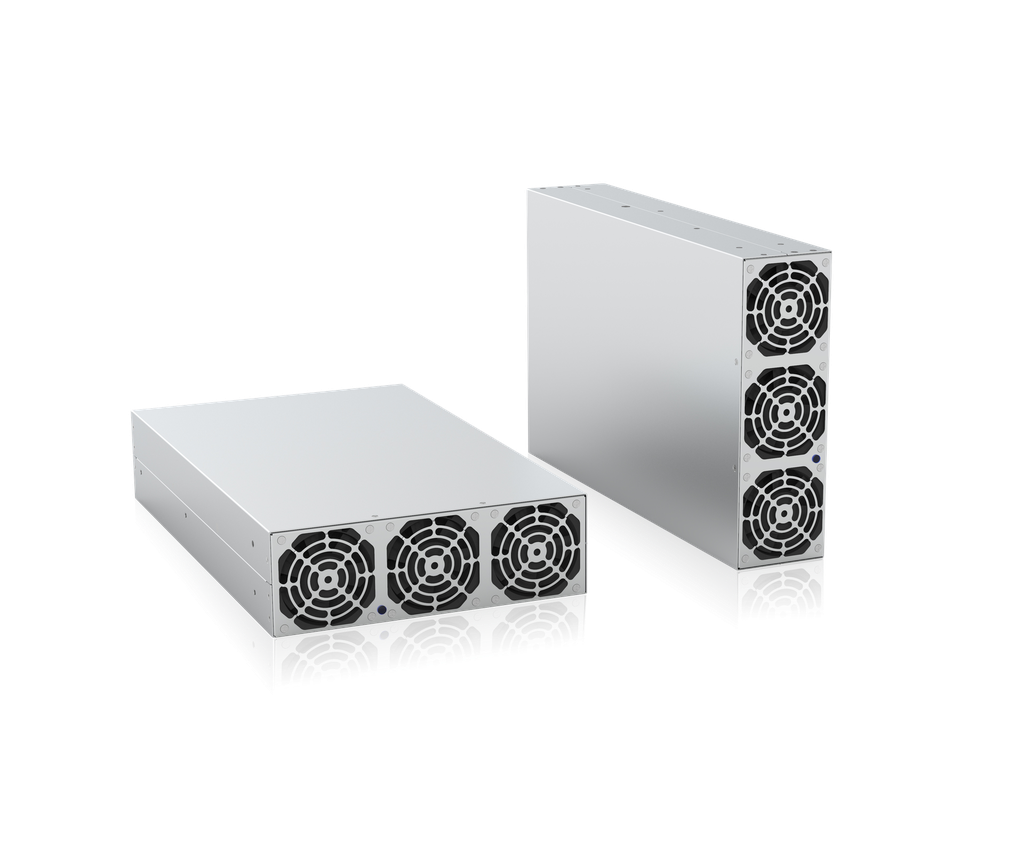
Bidirectional modules fundamentally reshape power management by enabling current to flow in both directions through a single pathway. Unlike traditional setups that rely on separate converters for charging and discharging, these modules integrate advanced semiconductor switches and control algorithms to handle the dual flow seamlessly. When energy needs to move from a battery to the grid, the module steps up voltage and synchronizes phase; when the flow reverses, it shifts to a rectification mode, all within milliseconds. This dynamic capability reduces component count, lowers thermal stress, and creates a more compact footprint, which is especially valuable in limited spaces like electric vehicle onboard chargers.
The real intelligence lies in how these modules optimize power flow through adaptive regulation. Onboard microcontrollers continuously monitor voltage, current, and temperature at both terminals, adjusting switching frequencies and duty cycles in real time to minimize losses. For instance, during periods of low demand, the module might transition into a burst-mode operation to maintain efficiency, while under heavy load it leverages synchronous rectification to cut conduction losses. This granular control extends beyond simple conversion—it can actively shape the power factor and suppress harmonics, ensuring that whatever energy is transferred stays clean and compliant with grid standards without additional filtering hardware.
In practical applications, bidirectional modules unlock new levels of system resilience. Consider a solar-plus-storage installation: during the day, surplus photovoltaic generation charges the battery through one direction; at night, the module reverses to supply the household loads, all while maintaining seamless islanding capability if the grid goes down. The modules can even participate in frequency regulation, injecting or absorbing tiny amounts of power to stabilize the local network. This flexibility turns a static energy chain into a responsive ecosystem, where power flow is not just directed but orchestrated to match real-time conditions, slashing waste and extending the lifespan of connected assets.
From Solar to EV: Real-World Applications in German Markets
In Germany, the synergy between solar energy and electric vehicles is not just a vision—it’s a daily reality for thousands of households. Homeowners with rooftop photovoltaic systems are increasingly pairing them with wallbox chargers, using self-generated solar power to charge their EVs at virtually no cost. This direct coupling reduces reliance on the grid and insulates drivers from fluctuating electricity prices, making clean transportation both sustainable and financially attractive.
Beyond individual homes, commercial and municipal projects are scaling up the concept. For instance, a logistics company in Baden-Württemberg combined a large solar carport with battery storage to power its local delivery fleet. The solar canopy generates enough electricity to cover the daily mileage of over 50 electric vans, while surplus energy is fed into the building or stored for nighttime charging. Such integrated systems demonstrate how renewable generation can directly displace diesel consumption in high-utilization transport operations.
The real-world impact is also visible in bidirectional charging pilots, where electric vehicles serve as mobile energy storage. In a Berlin neighborhood, a pilot project allows residents to sell excess solar power from their EV batteries back to the grid during peak demand. This vehicle-to-grid technology not only stabilizes the local network but turns every parked EV into a revenue stream. With Germany’s ambitious climate targets, these practical applications highlight how solar and e‑mobility are converging to reshape energy habits from the ground up.
Engineering Challenges and Breakthroughs in Bidirectional Design
Implementing bidirectional design often means allowing components to both send commands and receive feedback, a requirement that introduces subtle engineering hazards even in seemingly straightforward interactions. The most persistent difficulty lies in state synchronization—when updates flow in both directions at overlapping times, avoiding race conditions or data misalignment demands more than simple locking. Unidirectional pipelines naturally sidestep these issues through strict ordering, but bi-directional channels force a re-examination of transaction boundaries and conflict resolution strategies.
Even with well-defined handshake rules at the protocol level, real-world deployments reveal odd behaviors triggered by network latency and partial failures. Some of the earliest breakthroughs came from borrowing ideas originally used in distributed consensus algorithms, treating a two-way interaction as an operation that needs a quorum-like confirmation. By introducing logical clocks and version vectors to track causal dependencies, systems could reach eventual consistency without throttling throughput. This pattern eventually found its way into message brokers and real-time collaboration frameworks, significantly reducing the cognitive load on developers.
A more unexpected cross-pollination arrived from hardware design, specifically the concept of gated clocks. Engineers realized that by meticulously controlling the active window of a bidirectional link, they could strike a better balance between energy usage and responsiveness—especially in resource-constrained IoT devices. This insight led to a family of adaptive polling mechanisms that no longer wake the receiver on a rigid schedule but dynamically adjust listening intervals based on historical traffic patterns, bringing the power consumption of full-duplex communication remarkably close to that of half-duplex.
Why German Manufacturers Are Betting on Bidirectional Systems
German manufacturers have long built their reputation on engineering precision and long-term reliability. In the evolving energy landscape, this mindset naturally extends to bidirectional charging systems. They see these technologies not as simple add-ons but as integral components of a future where electric vehicles actively stabilize the grid. By enabling a car to feed power back into a building or the network, they unlock added value for customers while addressing Germany’s pressing need for grid flexibility amid growing renewable penetration.
The economic argument is equally compelling. With electricity prices fluctuating more dramatically, the ability to buy low and sell high—often through dynamic tariffs—turns a parked EV into a potential revenue stream. Industrial users, a backbone of the German economy, stand to benefit enormously from peak shaving and backup power, cutting operational costs without investing in dedicated storage. For manufacturers, offering integrated bidirectional hardware strengthens their market position against purely electric-focused rivals, bundling vehicle, charger, and energy management into a seamless package.
Policy tailwinds reinforce the business case. Germany’s updated energy laws increasingly mandate that new buildings and major renovations be “bidirectional-ready,” pushing the market from early-adopter phase toward mainstream adoption. Meanwhile, generous subsidies for solar-plus-storage installations often include bidirectional wallboxes, lowering the barrier for homeowners. By aligning engineering heritage with these regulatory and financial incentives, German automakers and component suppliers aren’t just hedging bets—they’re shaping a mobility-energy ecosystem where their expertise gives them a decisive edge.
The Road Ahead: Bidirectional Power and Germany's Green Goals
Germany's push toward a climate-neutral future demands more than just adding renewables—it hinges on rethinking how energy flows. Bidirectional charging turns electric vehicles into rolling batteries, capable of feeding power back to the grid when demand spikes. This isn't a distant dream; pilots across Berlin and Munich are already proving that parked EVs can smooth out the unpredictability of solar and wind, chipping away at the need for fossil-fuel peaker plants.
Yet the road ahead is tangled. Most homes lack the smart meters and inverter tech to make vehicle-to-grid seamless, and automakers remain cautious about battery degradation. Even so, regulatory momentum is building. New standards are inching forward, aiming to make every newly sold EV grid-ready by the decade's end. If Germany can align car manufacturers, utilities, and policymakers, bidirectional power could quietly reshape the country's energy architecture—making the family car a quiet asset in the fight against carbon.
FAQ
Bidirectional power modules are power electronics units that can flow energy in both directions—converting AC to DC for charging and inverting DC to AC for feeding power back to the grid or a load. They essentially act as both a rectifier and an inverter in a single device.
Germany has a strong automotive and industrial base, coupled with a deep focus on renewables. Companies and research institutes there have pioneered efficient power semiconductor tech, and the country's Energiewende push has created a ready market for advanced energy conversion solutions.
They rely on wide-bandgap semiconductors like silicon carbide or gallium nitride, which cut switching and conduction losses. Smart topology designs and adaptive control algorithms further minimize energy waste, often pushing efficiency beyond 98%.
You'll find them in electric vehicle fast chargers, home and grid-scale battery storage, solar inverters with backup capability, and even in industrial drives that can regenerate power. Vehicle-to-grid pilot projects are also gaining traction.
Infineon is a major supplier of the necessary chips, while Siemens and Bosch integrate them into larger systems. There are also specialized players like Semikron and Vincotech that offer dedicated power modules for these applications.
They make energy flows more flexible—capturing surplus solar power, feeding it back during peaks, and stabilizing the grid. This flexibility is crucial for integrating intermittent renewables and reducing reliance on fossil-based peaker plants.
Thermal management remains tricky at high power densities, electromagnetic compatibility needs careful design, and costs must come down. Also, meeting the strict grid codes for bidirectional operation adds complexity to the control software.
Expect more integration of smart functions like built-in grid monitoring and communication, higher power densities using new packaging techniques, and wider adoption in microgrids and megawatt-scale energy systems as standardisation progresses.
Conclusion
Germany's energy landscape is undergoing a profound transformation, driven by the rapid adoption of bidirectional power modules that redefine how electricity is converted and managed. These systems are moving the country beyond traditional unidirectional grids, enabling a seamless flow of energy between sources, storage, and loads. At the heart of this shift lies advanced power electronics that intelligently optimize voltage levels and current direction in real time, allowing solar panels, home batteries, and electric vehicles to not only draw energy but also feed it back into the grid when needed. This capability turns residential prosumers into active participants, balancing local supply and demand, and easing strain on aging infrastructure. Real-world implementations already span from rooftop solar arrays pushing surplus into neighborhood networks to EV chargers that double as mobile storage units during peak hours, creating a more resilient and responsive energy ecosystem.
However, the path to bidirectional efficiency has not been without hurdles. Engineering teams have tackled complex thermal management, electromagnetic interference, and the need for compact, high-frequency designs that don't compromise reliability. Breakthroughs in wide-bandgap semiconductors like silicon carbide and gallium nitride now allow modules to operate at higher temperatures with lower losses, shrinking form factors while boosting power density. German manufacturers are betting heavily on these innovations, recognizing that bidirectional systems unlock new revenue streams through grid services and align perfectly with the nation's ambitious Energiewende targets. As regulations evolve to support vehicle-to-grid integration and dynamic tariff models, bidirectional power modules stand poised to become the backbone of a decentralized, carbon-neutral energy system. The road ahead involves scaling production, standardizing communication protocols, and fostering consumer trust—but with a clear trajectory toward greener, more efficient energy conversion that could serve as a blueprint for the world.
Contact Us
Contact Person: Lily
Email: [email protected]
Tel/WhatsApp: +49 (0) 2161 49526-0
Website: https://tps-elektronik.com/en/