

Best Lithium-Ion Forklifts for Efficient Warehouse Operations
2026-06-30
In today's fast-paced warehouse environments, efficiency isn't just a goal—it's a necessity. As operations scale and deadlines tighten, the right equipment can make all the difference. Enter lithium-ion forklifts: the game-changing solution that's redefining material handling with faster charging, longer run times, and zero maintenance hassles. But with so many options on the market, how do you choose the best one for your operation? Leading the charge is HANGCHA, a brand that combines cutting-edge lithium-ion technology with rugged reliability to keep your workflows seamless. Whether you're upgrading your fleet or investing in your first electric forklift, understanding the key features and benefits is crucial. In this post, we'll explore the top lithium-ion forklifts that deliver unmatched performance and dive into what makes HANGCHA a standout choice for modern warehouses.
Lithium-Ion Power: A Game-Changer for Warehouse Throughput
The shift from traditional lead-acid batteries to lithium-ion technology in material handling equipment has redefined what’s possible in fast-paced warehouse environments. Unlike their older counterparts, lithium-ion batteries charge rapidly, require zero maintenance, and deliver consistent power output even as they deplete. This eliminates the voltage sag that often slows down forklifts and pallet jacks mid-shift, keeping operators moving at full speed. Instead of swapping out heavy batteries or waiting through lengthy cooldown periods, crews can now top up during short breaks—effectively turning what used to be downtime into productive uptime.
Throughput gains aren’t just about faster vehicles; they stem from a fundamental redesign of energy management. With opportunity charging, a single lithium-ion battery can sustain a truck across multiple shifts without ever leaving the floor. There’s no need for dedicated charging rooms, battery extractors, or the safety risks associated with acid spills and hydrogen venting. This streamlines workflows and allows supervisors to allocate labor where it matters most—on moving goods, not swapping power units. The result is a seamless rhythm of operation where equipment availability rarely becomes a bottleneck.
In practice, warehouses adopting lithium-ion power report double-digit percentage increases in pallet moves per shift. Consider a typical three-shift operation: lead-acid setups often demand 30–45 minutes of battery swaps and cooldowns per truck daily, whereas lithium-ion slashes that to near zero. When multiplied across a fleet of 50 trucks, that recaptured time translates into thousands of additional picks, less overtime, and faster order fulfillment. It’s a quiet revolution that turns the energy source from a logistical headache into a strategic lever for throughput.
Slash Downtime with Rapid Opportunity Charging
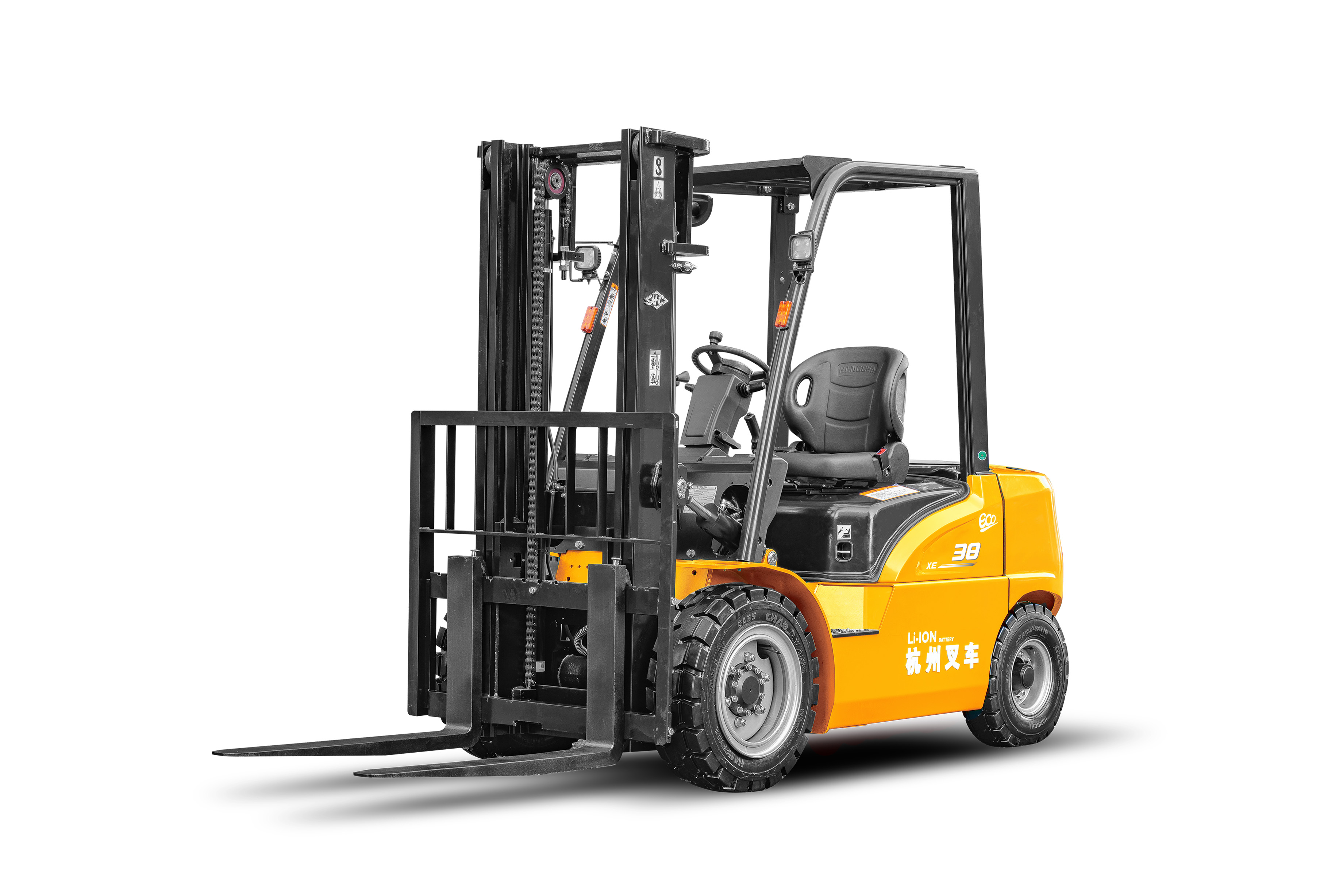
Opportunity charging flips the script on traditional battery downtime. Instead of pulling equipment off the floor for hours, rapid top-ups happen during natural pauses—shift changes, meal breaks, or brief idle windows. This keeps machines running through the highest-demand stretches without scheduling around long charging cycles.
The real impact shows in multi-shift operations where every minute counts. By integrating fast chargers at strategic points, fleets maintain a near-continuous duty cycle. Batteries won't sit idle, and operators don't waste time swapping power units. The result is fewer interruptions, smoother workflows, and a noticeable jump in daily throughput without adding extra equipment.
Why Maintenance Teams Love Lithium-Ion Technology
Maintenance teams are always looking for ways to cut down on routine checks and unexpected breakdowns. Lithium-ion batteries deliver on both fronts. Unlike traditional lead-acid batteries that need regular watering, equalization charges, and terminal cleaning, lithium-ion packs are sealed units that require almost no hands-on care. This means technicians can focus on more critical tasks instead of babysitting batteries.
Another huge advantage is the built-in battery management system (BMS). It constantly monitors cell voltages, temperatures, and state of charge, preventing issues like overcharging or deep discharging before they cause damage. For a maintenance crew, this proactive protection reduces emergency call-outs and extends the overall lifespan of the equipment. Plus, no more dealing with acid spills or corrosive fumes – lithium-ion technology keeps the workspace cleaner and safer.
Finally, the performance data you can pull from lithium-ion systems is a game changer. Many units offer real-time diagnostics, so teams can schedule replacements only when truly needed, rather than guessing based on age. That combination of “set it and forget it” reliability, safety, and data-driven predictability is exactly why maintenance professionals are making the switch.
Energy Efficiency That Pays Off Over Time
Cutting your energy use isn't just about lowering monthly bills—it's a quiet investment that grows in value. Simple upgrades like sealing drafts or swapping old bulbs for LEDs might feel minor, but their cumulative effect adds a comfortable layer of savings year after year. Without much fuss, these changes soften the sting of rising utility rates while making your home feel less wasteful.
Appliances with modern efficiency ratings, better insulation, and smarter thermostats work behind the scenes, trimming waste in ways you barely notice. Over a decade, the money you keep outpaces what you spent, turning a cautious decision into a genuine financial cushion. It’s not flashy, but that reliability is exactly what makes it stick.
Operator Comfort and Safety: The Hidden Perks
When companies invest in equipment, operator comfort often takes a backseat to metrics like speed or power. Yet comfort is not just a luxury—it directly impacts safety. An operator who struggles with poor ergonomics, excessive vibration, or awkward controls experiences fatigue faster. This fatigue slows reaction times and leads to lapses in judgment, raising the risk of accidents. By prioritizing features like adjustable seating, intuitive control layouts, and climate-controlled cabs, businesses create an environment where operators can maintain focus throughout long shifts, significantly reducing the likelihood of safety incidents.
The link between comfort and safety also shows up in less obvious ways. For instance, reduced noise levels inside a cab do more than prevent hearing damage—they allow operators to hear warning signals or changes in machine operation that could indicate a problem. Similarly, well-designed visibility from the cab, free of obstructive pillars or glare, minimizes blind spots and the need for risky repositioning. These design considerations, which enhance daily comfort, quietly act as a constant safety net.
Beyond the immediate physical perks, comfort can bolster mental well-being and decision-making. An operator who isn't bracing against a jarring ride or straining to reach controls can devote cognitive resources to scanning the environment and anticipating hazards. This heightened situational awareness is a critical, often overlooked component of workplace safety. Ultimately, the hidden perks of operator comfort extend well beyond a pleasant workday—they build a foundation where safety becomes second nature.
Making the Switch: Real-World Success Stories
When a mid-sized manufacturing firm replaced their legacy systems with modern cloud solutions, they didn't just cut operating costs by 30%—they uncovered new revenue streams by tapping into real-time data analytics. The transition wasn't painless, but cross-training teams and phasing the rollout turned skeptics into champions.
A local retailer moved from a disconnected inventory setup to an integrated platform, slashing order fulfillment times in half. The real victory? Staff who once dreaded system changes now lead training sessions, having experienced firsthand how intuitive tools reduce daily friction and free them up for meaningful customer interactions.
Even a nonprofit managed to overhaul its donor management without disrupting its mission. By prioritizing user-centric design and offering hands-on support, they turned what could have been a chaotic migration into a smooth shift that increased donor engagement by 45% within the first quarter.
FAQ
They charge faster, require no watering, and deliver consistent power throughout shifts, minimizing downtime and maintenance.
Most reach full charge in 1-2 hours, with opportunity charging allowing quick top-ups during breaks without harming battery life.
Yes, they perform well in freezing temps where lead-acid batteries struggle. No acid leaks and stable energy output even at -20°F.
Often yes. Many manufacturers offer drop-in replacement packs that fit standard compartments, though it's best to consult with a technician.
Typically 2-3 times longer, often lasting 3,000+ cycles with proper care, versus 1,000-1,500 cycles for lead-acid.
They use standard chargers but need compatible connectors. Most setups use 480V fast chargers, but 240V options exist for smaller operations.
Though upfront cost is higher, savings on energy, maintenance, and longer life often result in a 20-30% lower TCO over 5 years.
Conclusion
The shift to lithium-ion forklifts has fundamentally transformed warehouse operations, offering a significant leap in throughput and productivity. Unlike traditional lead-acid batteries, lithium-ion units maintain consistent voltage throughout a shift, ensuring full power delivery without the gradual slowdown that hampers efficiency. This advantage, combined with rapid opportunity charging, means forklifts can be topped up during breaks or idle moments, virtually eliminating the downtime required for battery swaps and extended cool-down periods. Maintenance teams love the technology because it removes the hassle of watering, cleaning, and equalizing charges, freeing up time and cutting costs.
Beyond the operational gains, lithium-ion forklifts deliver notable energy savings and a quieter, emission-free work environment that enhances operator comfort and safety. The reduced heat and vibration, along with precise controls, help minimize fatigue and accidents. Real-world success stories show warehouses slashing their electricity bills by up to 30% while seamlessly integrating these forklifts into multi-shift operations. The switch is not just about upgrading equipment; it's an investment in a more agile, sustainable workflow where every minute and every watt is used wisely, delivering long-term value that traditional power simply cannot match.
Contact Us
Contact Person: Liuxue
Email: [email protected]
Tel/WhatsApp: +86-19084200370
Website: https://www.hf-ec.com/