

Aseptic Tomato Sauce Benefits and Uses Worth Knowing
2026-11-16
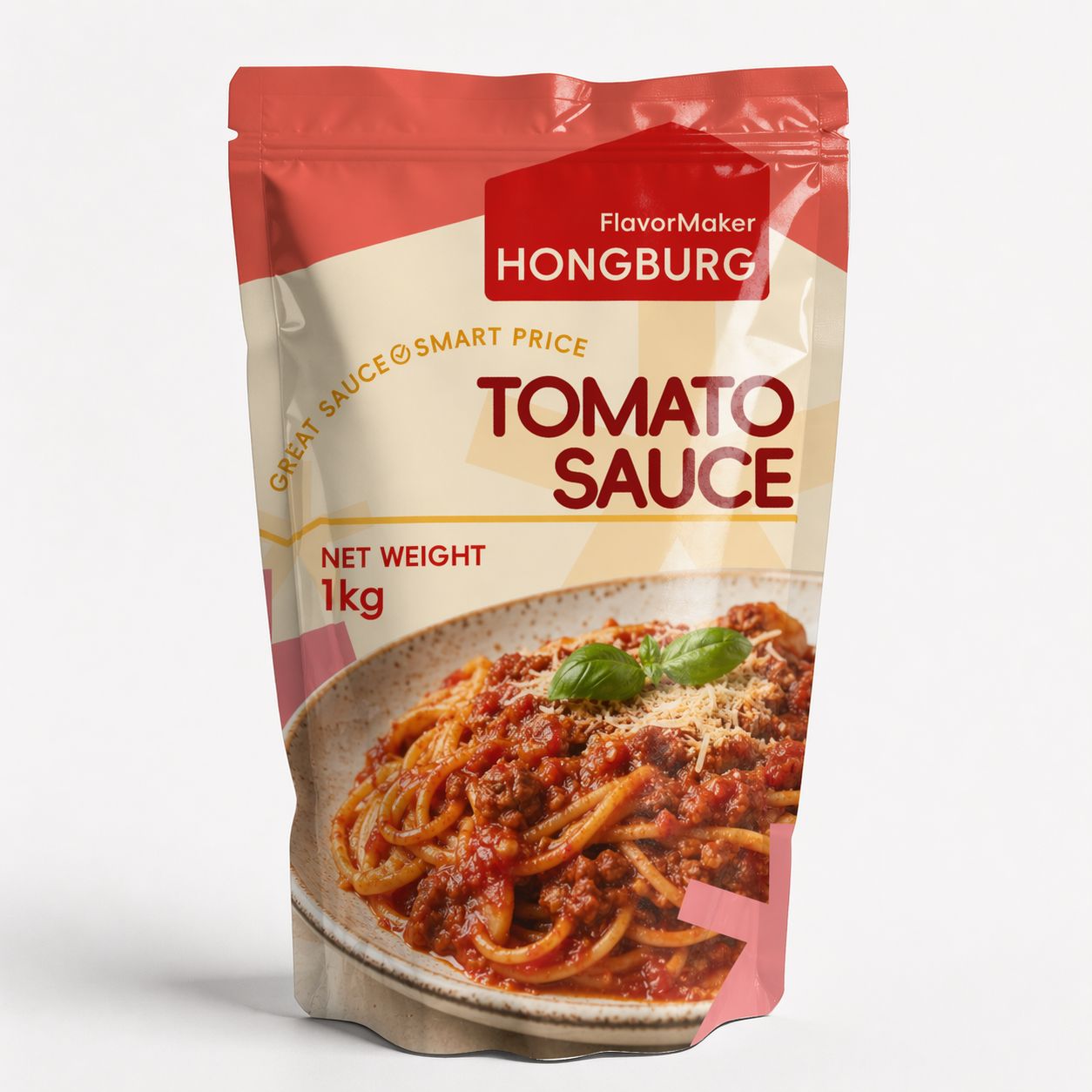
What if your tomato sauce could taste garden-fresh months after processing, skip the preservatives, and pour straight from ambient storage? That’s exactly what aseptic processing delivers, and it’s changing how restaurants, caterers, and home cooks think about this kitchen workhorse. From bright, balanced pasta dishes to bold pizza bases and simmer sauces, the benefits go far beyond shelf life. HONGBURG FLAVORMAKER brings that technology to the table with consistency and flavor that hold up in real cooking. Before you reach for another can, here are the aseptic tomato sauce benefits and uses worth knowing.
The Freshness Trick Behind Aseptic Tomato Sauce
Most people assume a shelf-stable tomato sauce has to taste cooked or tinny, but aseptic processing flips that logic. Instead of simmering tomatoes in the jar or can for an hour, the sauce is heated to a high temperature for just a few seconds, then rapidly cooled. That short, sharp heat kills microorganisms while leaving the bright, just-picked tomato flavor largely intact.
The real freshness trick happens before the heat even starts. Tomatoes destined for aseptic sauce are usually harvested at peak ripeness and processed within hours, not days. Because the sauce isn't sitting in a warehouse waiting to be canned, its natural sugars and volatile aroma compounds stay vibrant. Then the sterile sauce meets a sterile container in a closed system, so no preservatives or slow re-cooking are needed to keep it safe.
What lands on your plate tastes closer to a quick fresh tomato reduction than a long-simmered pantry staple. That's why aseptic tomato sauce can carry a surprising punch of acidity and herbaceousness, even months after it leaves the production line.
What Actually Changes When Tomatoes Skip the Can
The first thing you notice is the bite. A tomato that never met a can holds its shape in a way that feels almost structural—firm at the edges, giving at the center, with a snap that industrial processing quietly erases. The juice runs thinner and cleaner, more like water from a just-split fruit than the velvety, slightly thickened liquid you get from a sealed liner. There’s also an acidity that sits higher and brighter on the tongue, not softened by the steam and pressure that come with canning, so a raw sauce needs less vinegar but more patience to mellow.
Cooking time shifts too. Without the pre-softening that happens in a retort, fresh or jarred tomatoes need a longer simmer before their cell walls fully collapse into sauce, which means you’re balancing a living ingredient instead of a stabilized one. Seasoning behaves differently: salt draws out moisture quickly, herbs stay sharper, and a pinch of sugar does less heavy lifting because the natural sweetness hasn’t been dulled by tin exposure. For dishes where tomato is the lead, skipping the can trades convenience for a cleaner, brighter, slightly more unruly result—one that rewards attention but punishes a rushed recipe.
Weeknight Meals That Taste Better With This Pantry Staple
A spoonful of white miso stirred into hot water makes the fastest broth you'll cook all week, but it shouldn't stop there. The same paste brings a quiet, savory depth to butter, salad dressings, and the pan sauce left behind after searing chicken thighs. It doesn't announce itself the way soy sauce does; instead, it rounds out sharp edges and makes simple ingredients taste like they spent longer on the stove than they actually did.
Try whisking a little miso into eggs before you scramble them, or mashing it with softened butter to finish roasted carrots and green beans. For a no-fuss weeknight pasta, loosen a tablespoon of miso with a splash of starchy cooking water, then toss it with noodles, garlic, and whatever greens are wilting in the fridge. The result is glossy, slightly sweet, and far more interesting than another bowl of plain spaghetti.
Why Restaurants Quietly Prefer Aseptic Packs
Walk into a busy kitchen and the first thing you notice is the constant negotiation for space. Walk-in coolers are crammed, prep tables are shared, and every square inch counts. Aseptic packs slip into this environment without demanding refrigeration or specialized shelving. They sit quietly on dry storage racks, stackable and out of the way, until a cook tears one open and pours out exactly what the dish needs.
Beyond the spatial relief, there is a consistency that line cooks come to rely on. Aseptic processing seals the product before it is sterilized, so nothing living gets inside until the seal is broken. That means the tomato base you opened in July tastes the same as the one you open in December. No metallic aftertaste from a can, no freezer burn, no separation that requires whisking back together. For a restaurant trying to keep a menu steady across seasons, that predictability quietly removes one more variable from service.
Then there is the matter of waste. Aseptic packs are often available in sizes matched to real-world usage, so a kitchen can open a smaller pouch for a slow Tuesday instead of cracking a giant can that will sit half-used in the cooler. Less spoilage means less money in the bin, and less guilt about tossing food that could have been plated. It is not a flashy change, but over a month of covers, the savings in both product and labor start to show up on the spreadsheet.
From Camp Stoves to Saucepans: Versatility Without the Bulk
Backpacking gear has a nasty habit of multiplying. You start with a stove, then a pot for boiling water, a pan for eggs, a mug for coffee, and suddenly your pack feels like a mobile kitchen. The newest camp cookware flips that script. A single 750ml titanium pot with a silicone rim doubles as a French press and a measuring cup. Its lid is dimpled to work as a strainer, and the handle folds flat against the side so the whole thing slides into a stuff sack no bigger than a burrito.
What really cuts the bulk is how the stove disappears. Instead of a separate burner, some systems use a heat exchanger ring that twists onto any standard canister. The pot locks onto that ring, so the flame sits almost inside the base, shielding it from wind and cooking water in half the time. That same ring adapts to a skillet or a saucepan, meaning you carry one heat source and swap out the top depending on whether you're simmering rice or searing trout.
It's the kind of versatility that rewards improvisation. On a rainy morning, the pot lid becomes a plate for pancakes. At night, the empty canister nests inside the pot with a tiny stove head, a folding spork, and a fuel stabilizer, leaving room in your pack for an extra layer or a paperback. The point isn't just saving weight—it's not having to choose which comfort to leave behind.
How Sealed Packs Keep Tomato Flavor Bright Longer
Tomato flavor lives in a handful of volatile compounds that start drifting away the moment the fruit is cut or crushed. Sealed packs trap those aromatics in the small pocket of air surrounding the fruit, slowing the oxidation that turns bright, grassy notes flat. The result is a tomato that still smells like the vine when you open the pack days later.
Unlike open trays, a sealed pack also shields the fruit from the dry air circulating inside a fridge. That air pulls moisture out of the tomato, leaving the flesh mealy and muting its natural acidity. At the same time, the seal blocks strong odors from nearby items like onions or chopped herbs, which can soak into the porous skin and throw the flavor off balance.
There is another benefit that often goes unnoticed: sealed packs limit how often condensation forms directly on the tomatoes. When fridge doors open and close repeatedly, moisture gathers on exposed surfaces and can encourage surface microbes. Keeping that moisture from pooling on the fruit means less chance of musty, fermented off-notes creeping in before you get a chance to eat them.
FAQ
Aseptic processing involves sterilizing the sauce and packaging separately, then filling in a sterile environment. This locks in freshness without the need for preservatives or refrigeration, resulting in a product that tastes closer to just-made sauce compared to many heat-processed cans which can cook the sauce again inside the container.
Once you break the seal, it behaves like any fresh tomato sauce. Keep it in the fridge and use it within five to seven days. The unopened shelf life is the real advantage—many brands stay good for a year or more at room temperature.
Yes, it's already fully cooked during processing, so it's safe and ready to use as-is. It works well cold in gazpacho or as a pizza base, though most people heat it gently to bring out the aroma before serving.
Because the sauce is heated for a shorter time and not re-cooked in the jar, it retains brighter acidity and fresher tomato notes. You'll often notice a cleaner, less caramelized flavor compared to sauces that sit in glass jars through long retort cycles.
Absolutely. The format is popular in restaurants and catering because it stores at ambient temperature, reduces waste from spoiled cans, and portions easily from bag-in-box systems. The consistent quality also helps chefs maintain recipe standards.
Try it as a base for shakshuka, thin it with stock for a quick tomato soup, blend with roasted red peppers for a dip, or use it to braise chicken thighs. It also makes a solid bloody mary mix when chilled with horseradish and celery salt.
Generally no. The sterile packaging eliminates the need for chemical preservatives. Always check the label, but most aseptic tomato sauces list only tomatoes, salt, and maybe citric acid—no sorbates or benzoates.
Since you can store unopened packages in the pantry for months, you're less likely to toss half-used jars that went moldy. The larger format bags also let you squeeze out nearly every last bit, reducing the sauce left clinging to the container.
Conclusion
Aseptic tomato sauce might sound like a laboratory concept, but the core idea is surprisingly practical. Unlike traditional canned tomatoes that sit in metal for months, aseptic packs lock in brightness by processing the sauce and packaging separately, then sealing under sterile conditions. This means the tomato flavor stays lively and fresh-tasting, without the slight metallic edge or overcooked note that sometimes creeps into cans. What actually changes when tomatoes skip the can? You get a cleaner, more vibrant base for cooking—no need to rinse off can liner residue or wonder if the acidity has reacted with the container. The sealed flexible pouches or cartons also protect against light and oxygen more effectively once opened, so the sauce doesn't dull into that flat, brownish tone as quickly. For home cooks, that translates into a pantry staple that performs like a just-blended batch of tomatoes, even if it has been sitting on the shelf for months.
Beyond freshness, this format shines in real-world use. Weeknight meals become faster because you can squeeze out exactly what you need, reseal the pack, and toss it back in the fridge without transferring to another container. Restaurants quietly prefer aseptic packs for the same reason: portion control is easier, storage takes less space, and there's no empty can waste piling up. Campers and boaters love the lightweight, unbreakable packaging that doesn't add bulk to a backpack, yet delivers a rich tomato base for one-pot pasta, stews, or pizza sauce over a camp stove. The versatility extends to sauces, soups, and even bloody mary mix, all without the metallic aftertaste or bulky can opener. Whether you're cooking for a family on a Tuesday night or packing supplies for a backcountry trip, aseptic tomato sauce manages to keep tomato flavor bright and accessible—proof that good packaging isn't just about convenience, but about preserving what makes tomatoes worth using in the first place.
Contact Us
Contact Person: Peter Song
Email: [email protected]
Tel/WhatsApp: +86 18920189778
Website: https://www.hongburg.com