

Alkaline Wastewater Treatment Systems for Concrete Batching Plants: Choosing the Right Supplier
2026-07-21
Every concrete batching plant faces a hidden challenge—alkaline wastewater that can silently corrode equipment, pollute local waterways, and lead to costly non-compliance fines. Choosing the right treatment system isn't just about meeting regulations; it's about safeguarding your operation's future. But with so many suppliers making similar claims, how do you cut through the noise? Sinou offers a fresh perspective—turning a compliance burden into a streamlined, cost-effective process. In this post, we'll explore what truly matters when selecting a partner for your alkaline wastewater needs, and why the right choice can make all the difference.
Understanding the Impact of Alkaline Wastewater in Concrete Production
Concrete production traditionally uses vast amounts of freshwater, but when alkaline wastewater from industries like textile or paper manufacturing is introduced, the high pH can actually accelerate cement hydration. This doesn’t just save water—it alters the microstructure of concrete, often leading to denser matrices and improved early strength. However, the alkalinity must be carefully balanced; excessive hydroxide concentrations can cause flash setting or long-term durability issues like alkali-silica reaction, a slow but destructive expansion that cracks concrete from within.
The presence of dissolved salts and organic residues in alkaline wastewater adds another layer of complexity. Sulfates, for example, can contribute to ettringite formation, which might initially fill pores but later cause cracking if uncontrolled. Meanwhile, certain organic compounds can retard cement setting, throwing off construction timelines. On the flip side, some industrial wastewaters contain silica or alumina that participate in pozzolanic reactions, enhancing long-term strength and reducing permeability—turning a disposal problem into a performance booster when dosed correctly.
Field applications and lab studies alike show that success hinges on thorough characterization of the wastewater and precise mix design adjustments. By treating alkaline wastewater as a chemical admixture rather than just a water replacement, engineers can manipulate setting times and durability profiles. The result is a tailored concrete that not only diverts hazardous effluent from the environment but often matches or exceeds the performance of conventional mixes, proving that with rigorous control, alkaline wastewater becomes a resource rather than a liability.
Key Treatment Methods Tailored for Concrete Batching Operations
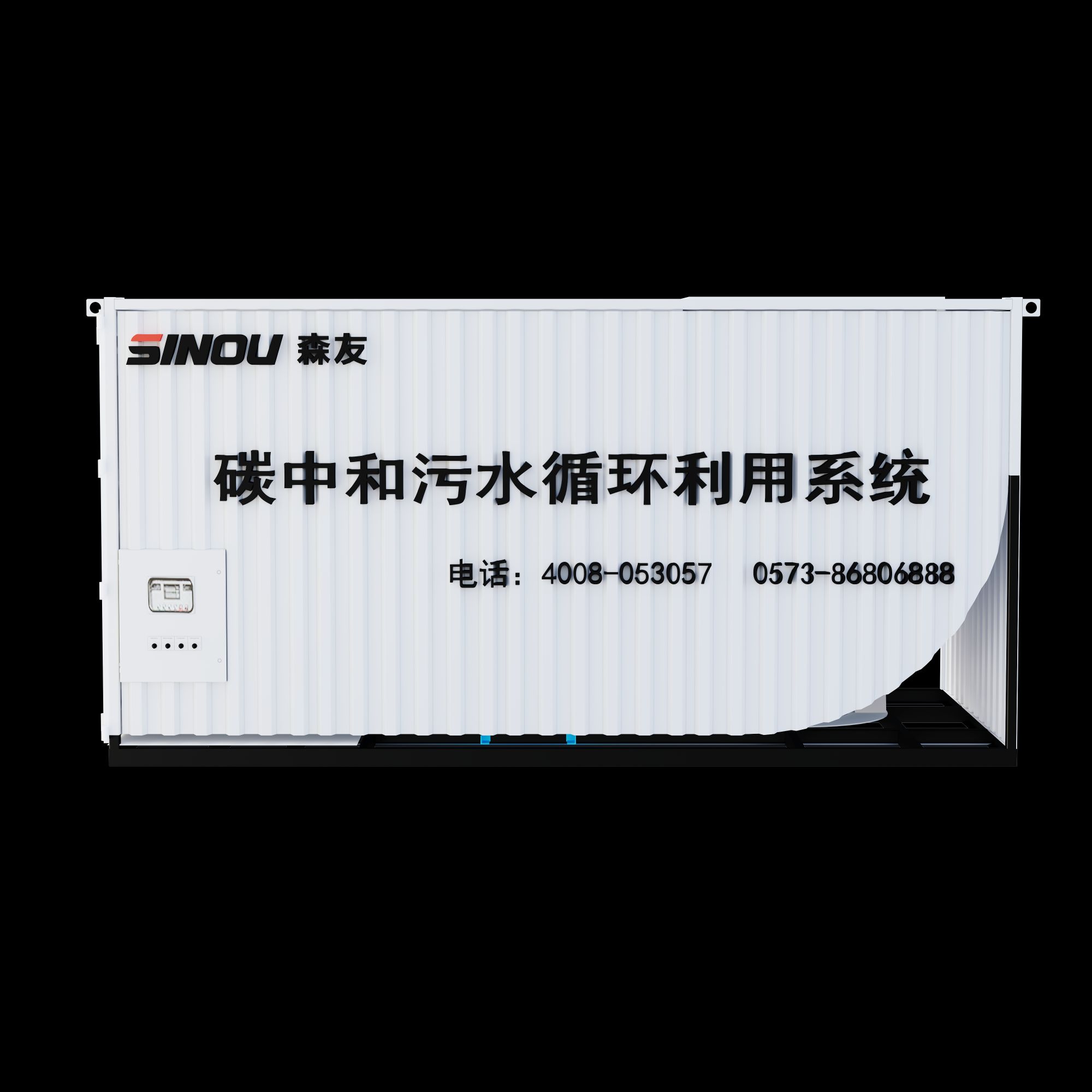
Managing wastewater and process residues at concrete batching plants demands a focused approach that goes beyond generic industrial solutions. The high pH and suspended solids load of washout water call for methods that not only neutralize alkalinity but also accelerate sedimentation. A widely adopted practice involves channeling slurry into dedicated settling pits or basins where coarse aggregates drop out quickly, while finer particles are allowed to coagulate with the help of carbon dioxide injection or mild acidic dosing. This targeted pH adjustment, often performed in a controlled mixing chamber, reduces scaling and equipment corrosion downstream. Once the bulk solids are removed, the partially clarified water can be recirculated back to the batching process or subjected to further polishing, ensuring minimal fresh water intake and compliance with strict discharge limits.
Beyond primary treatment, effective solids management separates the exceptional performer from the average operator. Filter presses and decanter centrifuges are increasingly favoured for dewatering fine sludge, transforming what was once a disposal headache into a manageable filter cake that can be landfilled or, in some regions, repurposed for construction fill. The choice between these technologies often hinges on the plant’s throughput and the desired moisture content of the final cake. Meanwhile, advanced systems integrate flocculant dosing stations that mix polymers in-line with the sludge stream, drastically improving capture rates and lowering chemical consumption. By treating water and solids as recoverable resources rather than waste streams, batching plants can significantly cut operational costs while addressing the environmental scrutiny tied to their water footprint.
Adopting a site-specific treatment train also means tackling stormwater runoff and truck wheel wash water with equal rigour. Many facilities now install oil-water separators and sediment traps before runoff ever reaches the central treatment system, preventing hydrocarbon contamination and protecting downstream biological processes if polishing lagoons are used. Real-time monitoring of turbidity and pH at key points allows operators to fine-tune chemical dosing and avoid over-correction, a common pitfall that can destabilize the entire treatment cycle. Ultimately, the most robust solutions combine scalable physical separation, targeted chemical conditioning, and automated control logic tailored to the plant’s production rhythm, turning what was once a linear waste problem into a closed-loop advantage.
What to Look for in a Reliable Treatment System Provider
A dependable provider won’t simply hand you a catalog and call it a day. They’ll take time to understand your environment, compliance pressures, and operational bottlenecks. You can spot this early on. Instead of rushing to a quote, they ask questions about water quality, flow rates, and space constraints. Real expertise shows in the details — think field-tested components, not just polished brochures. If they can walk you through the trade-offs between media types or control logic without leaning on jargon, you’re on the right track.
Support infrastructure matters just as much as the equipment itself. Ask about parts availability — are critical spares warehoused locally or shipped overseas? A reliable provider often has regional service hubs, not just a hotline that feeds into a call center. Listen for evidence of proactive maintenance programs, remote monitoring capabilities, and a clear escalation path when things go sideways. The best ones treat your downtime as their own emergency.
Finally, look for a track record that’s verifiable, not just claimed. Request references that mirror your industry and scale. A trustworthy partner will gladly connect you with long-term clients and can point to installations still performing well after a decade. They’ll be transparent about life-cycle costs, not just the upfront price tag, and their warranty terms will reflect confidence in their craftsmanship rather than a tangle of fine print.
Balancing Costs and Long-Term Value in Your Investment
Striking the right balance between upfront costs and lasting value demands more than just comparing price tags. It's about weighing immediate expenditures against the durability and performance you'll experience over years of use. A cheaper option might save money now, but frequent repairs or early replacement can erode those savings. Think beyond the initial purchase and consider what you’re truly paying for: peace of mind, reliability, and an asset that won’t let you down when it matters most.
Long-term value often hides in details that aren't obvious at first glance. For instance, energy-efficient appliances may cost more upfront, but the reduction in utility bills accumulates steadily. Similarly, higher-quality materials in a product can mean less maintenance and a longer lifespan. When you evaluate an investment, factor in the total cost of ownership—not just the sticker price. Ask how the item will perform over time and whether it can adapt to changing needs, avoiding the trap of short-term thinking.
Of course, this doesn't mean you should always chase the premium option. The key is to align your spending with your actual priorities. If an item will see heavy daily use, splurging for durability might be wise. For something with limited or occasional use, a more modest choice could be sufficient. Ultimately, the goal isn't to spend the least or the most, but to make each dollar work effectively toward outcomes you genuinely value over the long haul.
Ensuring Smooth Operations with Proper System Maintenance
A well-oiled machine rarely makes noise, and the same holds true for digital systems. The secret lies not in fixing things when they break, but in the quiet rituals of upkeep that keep everything humming. It's about understanding the cadence of your infrastructure—knowing when to check the logs, rotate the keys, or clear out the dust that accumulates in overlooked corners. This steady rhythm turns reactive chaos into a predictable flow, allowing your team to focus on building rather than firefighting.
Think of maintenance as a form of respect for the systems you rely on. Regular health checks, timely patch cycles, and thoughtful capacity planning are not chores—they're investments. A database that's been vacuumed regularly, a server fleet refreshed before load peaks, or certificates renewed without a scramble: these small acts prevent the kind of downtime that erodes trust. It's the difference between a platform that feels solid underfoot and one that wobbles at the worst moments.
Beyond the technical steps, there's a mindset shift. Instead of viewing maintenance as a cost center, it becomes a strategic advantage. When your baseline is stable, innovation accelerates because you're not constantly patching holes. Documenting tribal knowledge, automating repetitive safeguards, and leaving room for graceful degradation turn operations from a liability into a launchpad. Smooth operations aren't an accident—they're crafted through deliberate, almost invisible care.
Real-World Examples: Successful Alkaline Wastewater Solutions
In the textile industry, a leading denim manufacturer in Pakistan faced severe environmental penalties due to high alkalinity in its discharge. The company installed a CO₂ injection system that neutralizes pH precisely without generating sludge, transforming a compliance burden into a resource-saving process. Recovered water is now reused in washing cycles, cutting freshwater consumption by 40 percent and eliminating regulatory fines.
A municipal wastewater plant in California addresses seasonal alkaline spikes from winery effluents by using a real-time pH control loop that doses sulfuric acid only when needed. This approach replaced their outdated lime slurry method, reducing chemical costs by 28 percent and stabilizing effluent quality. Neighboring vineyards have since adopted similar systems, creating a collaborative regional solution.
Mining operations in Western Australia turned highly caustic tailings pond water into an asset through membrane filtration paired with brine concentration. The system recovers sodium hydroxide for reuse onsite, eliminating the need for external neutralization chemicals. The project not only slashed operational expenses but also helped the site earn recognition for responsible water stewardship in a water-scarce environment.
FAQ
The high pH from cementitious runoff can devastate local waterways and soil if discharged untreated. Beyond environmental harm, it invites heavy fines, shutdowns, and reputational damage. Effective treatment isn't just compliance—it preserves your license to operate and community goodwill.
Look past generic 'neutralization' claims. A robust system uses automated pH adjustment with durable mixing, often incorporating CO₂ injection or mineral acid dosing precisely controlled by real-time monitors. Avoid solely gravity-based setups—active treatment handles fluctuating volumes and pH spikes better.
Don't just rely on supplier formulas. Audit your peak production schedules, washout practices, and stormwater contributions. A system undersized for surge events will fail when you need it most. The right partner measures your actual wastewater profile first, then designs for peak load plus a safety margin.
It should be largely self-managing. Modern setups feature self-cleaning pH probes, automatic chemical dosing refills with alerts, and solid-liquid separation that minimizes manual sludge handling. If a supplier pitches weekly intensive upkeep, walk away—that design is outdated.
Ask for at least five reference sites running under similar conditions for over two years. Visit unannounced if possible, and quiz operators about downtime, hidden costs, and how the supplier handled breakdowns. A confident provider will welcome this.
Absolutely. If your site layout is tight or production might relocate, a containerized, pre-plumbed unit reduces civil works and installation time dramatically. Just ensure the modular design doesn’t sacrifice treatment capacity or redundancy.
Focus beyond the purchase price. Consumables like neutralizing agents, disposal of sludge or filter cake, sensor replacements, and electricity for mixers/pumps add up. A smart supplier will itemize these for your specific waste profile and offer optimization strategies to keep operational costs low.
Discharge limits vary widely—some jurisdictions demand near-neutral pH, others target specific heavy metal concentrations. A supplier with local regulatory know-how will embed compliance features such as automated data logging, sampling ports, and fail-safe discharge valves, saving you from costly retrofits later.
Conclusion
Alkaline wastewater from concrete batching plants poses significant environmental and operational challenges. The high pH runoff, laden with cementitious solids, can contaminate soil and water bodies, disrupt local ecosystems, and lead to regulatory non-compliance. But the impact isn't just external—recycling untreated water back into production can compromise concrete quality, affecting strength and durability. Effective treatment is therefore not an afterthought but a core production necessity. The right approach typically combines physical processes like sedimentation or dissolved air flotation with chemical neutralization, often using carbon dioxide or mineral acids, to bring pH within safe limits. Some systems even incorporate advanced filtration and sludge dewatering to allow for near-total water reuse, slashing both fresh water consumption and discharge volumes. Finding a supplier who truly understands these tailored methods—rather than offering off-the-shelf solutions—requires scrutinizing their industry experience, engineering capabilities, and post-installation support.
Beyond technical competence, the supplier you choose must demonstrate a keen eye for long-term value. Cheapest isn't always best: a system with lower upfront costs might rack up high chemical, energy, or maintenance expenses over its life. Look for providers who design with operational simplicity in mind, use durable, low-wear components, and can articulate a clear total cost of ownership model. Ongoing maintenance, from recalibrating dosing pumps to managing sludge accumulation, is inevitable, so a supplier with responsive local service and training programs becomes an invaluable partner. Real-world cases show that plants which invested in robust, well-maintained systems not only met discharge regulations but also achieved significant water savings and production consistency. In the end, the decision boils down to partnering with a supplier who aligns engineering prowess with a genuine commitment to your plant's seamless, cost-effective operation.
Contact Us
Contact Person: HaiYan
Email: [email protected]
Tel/WhatsApp: +86 18957325588
Website: https://www.senyoubeton.com/